Heraldry. Kuktiškės’ coat of arms is a red hoopoe with a black crown, wings and tail in a golden background. His beak, eye and legs are silver. Its author is the artist Vida Navikienė. The coat of arms was approved by the decree No. 1829 of the President of the Republic of Lithuania, signed on 04 July 2002.
History. Kuktiškės is located about 14 km south-east of Utena. The town is crossed by the river Kuksa. This place-name has been known since the late 14th c. Until the early 20th c. the town was referred to as Kuktiškiai. From the mid. 19th to mid. 20th c. it was also the centre of the volost.
After the establishment of Vilnius Diocese, Jogaila gave Kuktiškės as a present to the Bishop of Vilnius. In 1604, by the initiative of the bishop A. Vaina, the town built the first church for the parish of the St John the Baptist. Since 16th c. the town also had a manor.
Kuktiškės remained the property of Vilnius Diocese until 1841. In the early 18th c. the manor owned the town of Kuktiškės, 20 villages, 22 homesteads, 30 lakes, 167 voloks of land and 147 serfs working at the manor. When the property of Vilnius Diocese was divided into 12 administrative units, Kuktiškės manor became one of them.
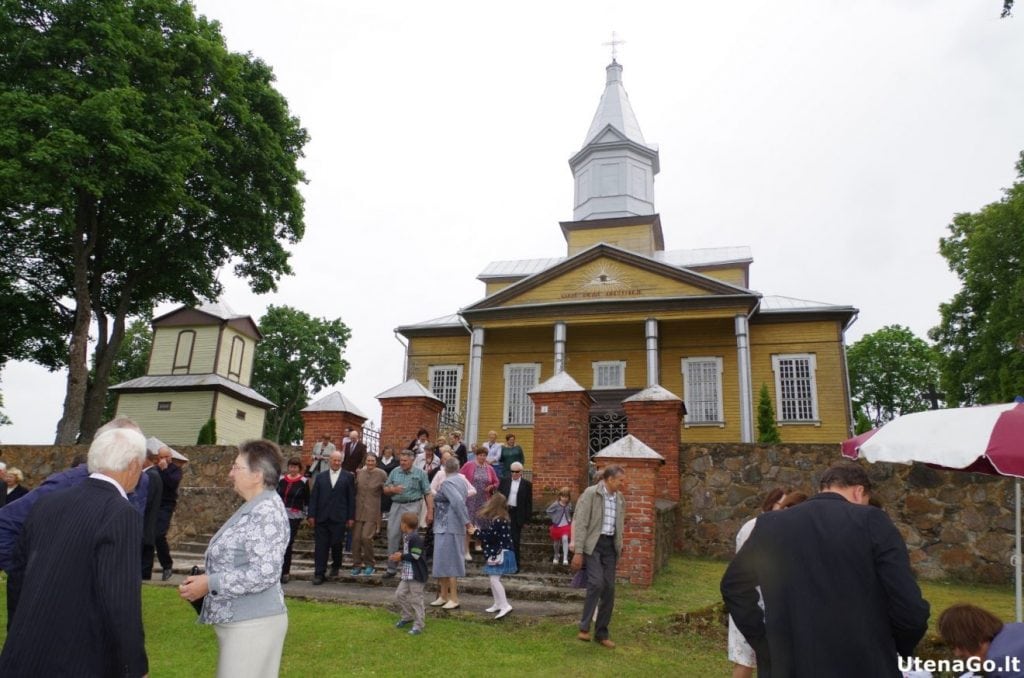
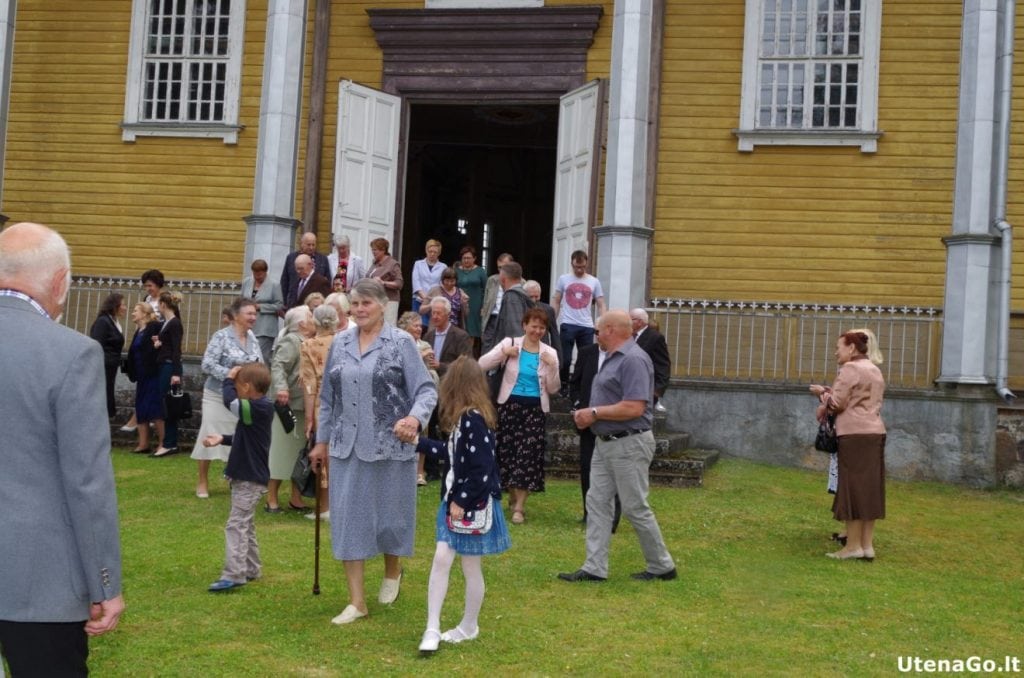
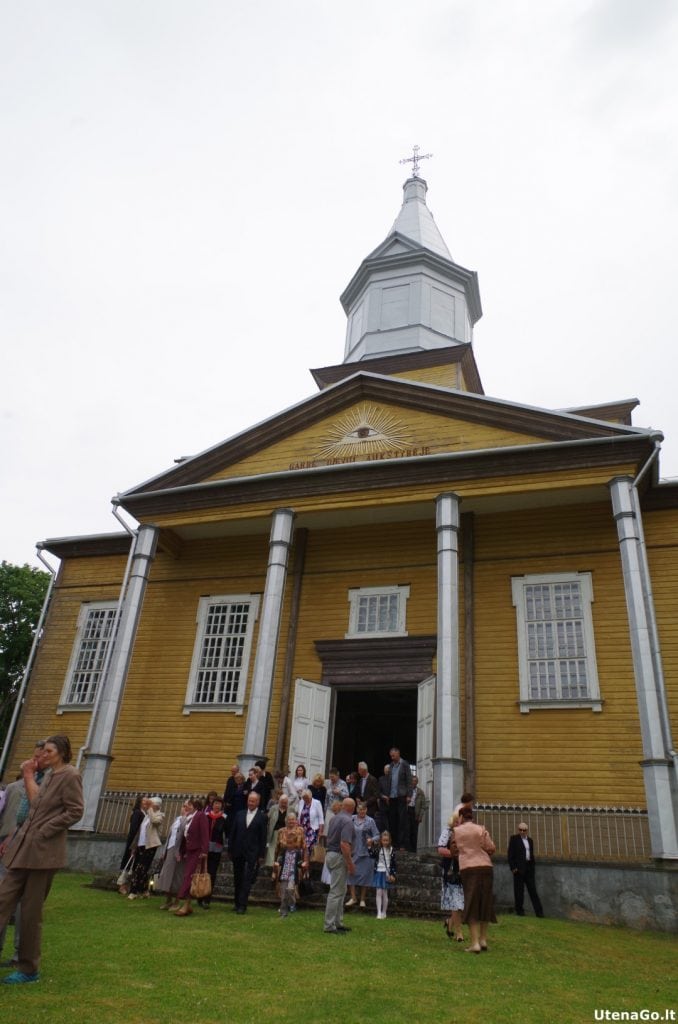
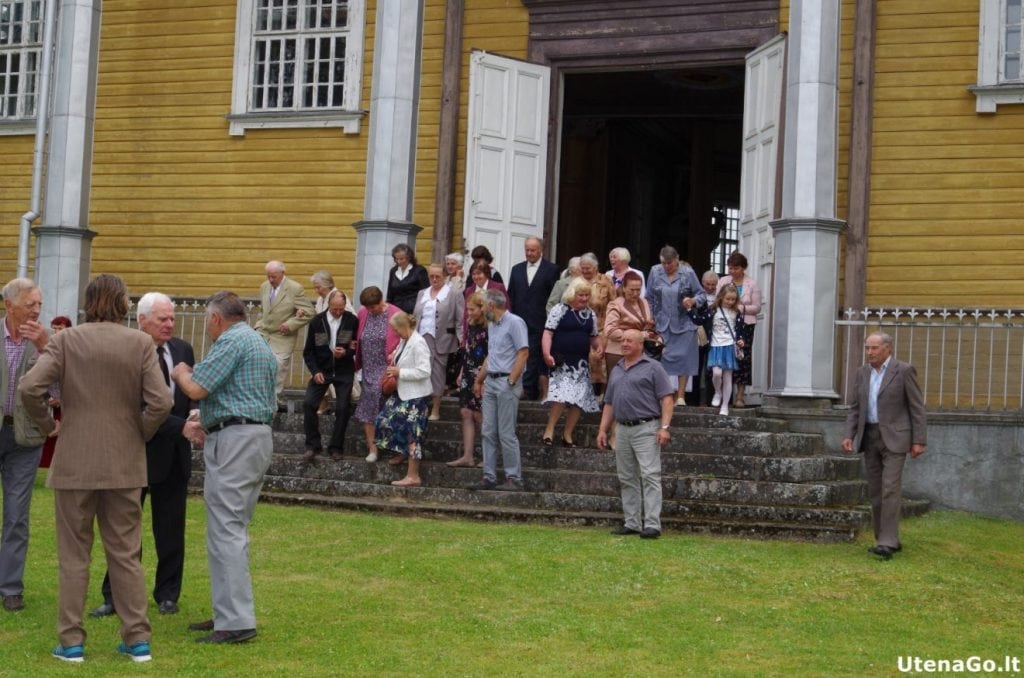
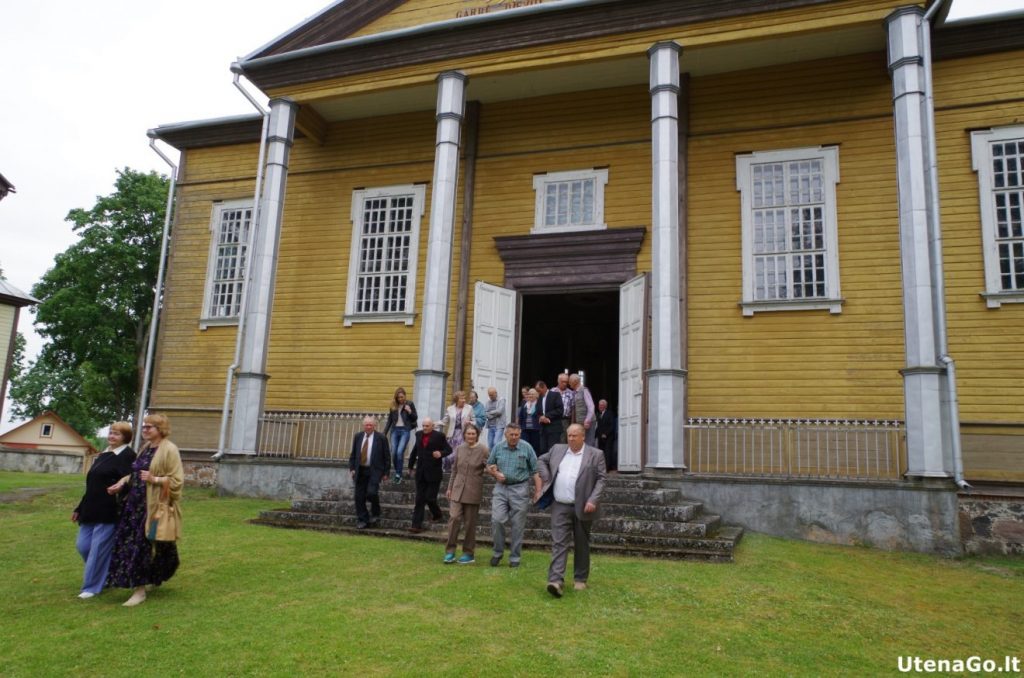
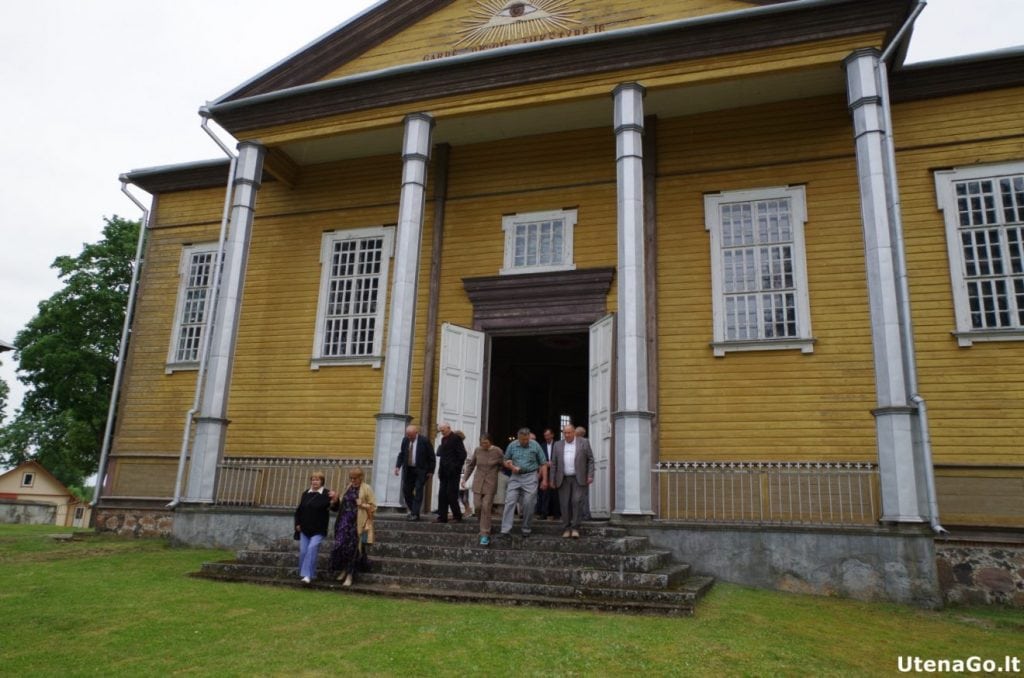
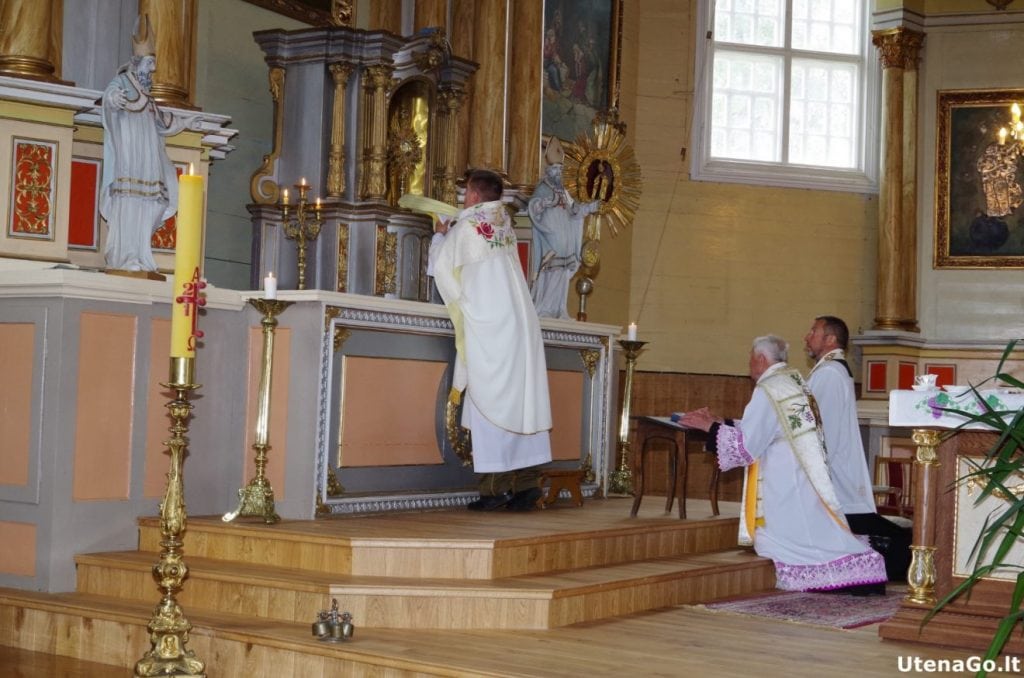
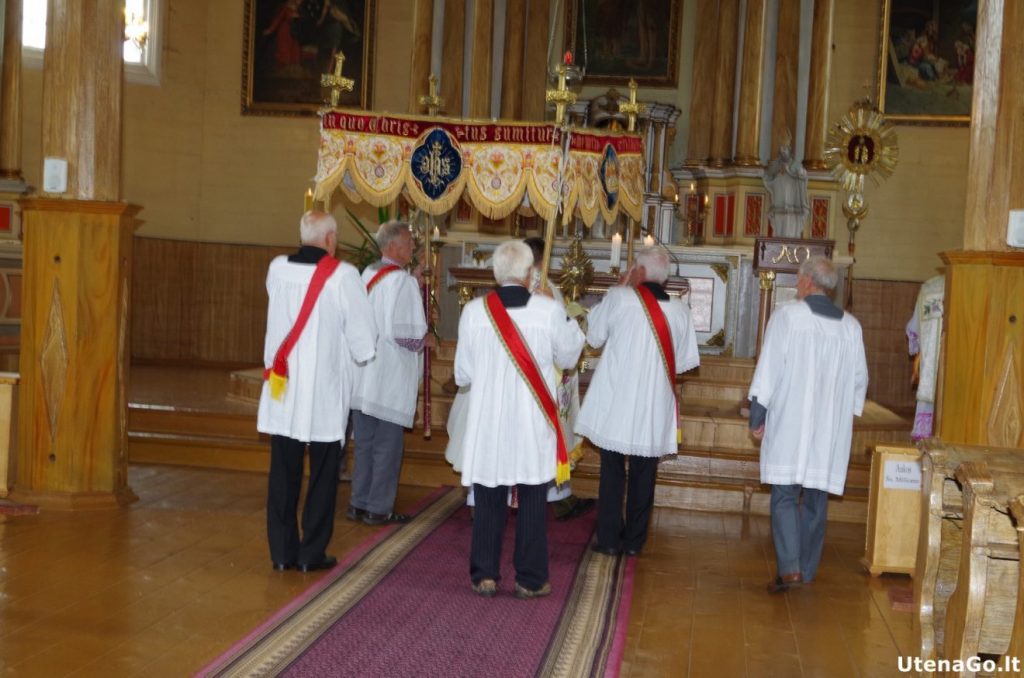
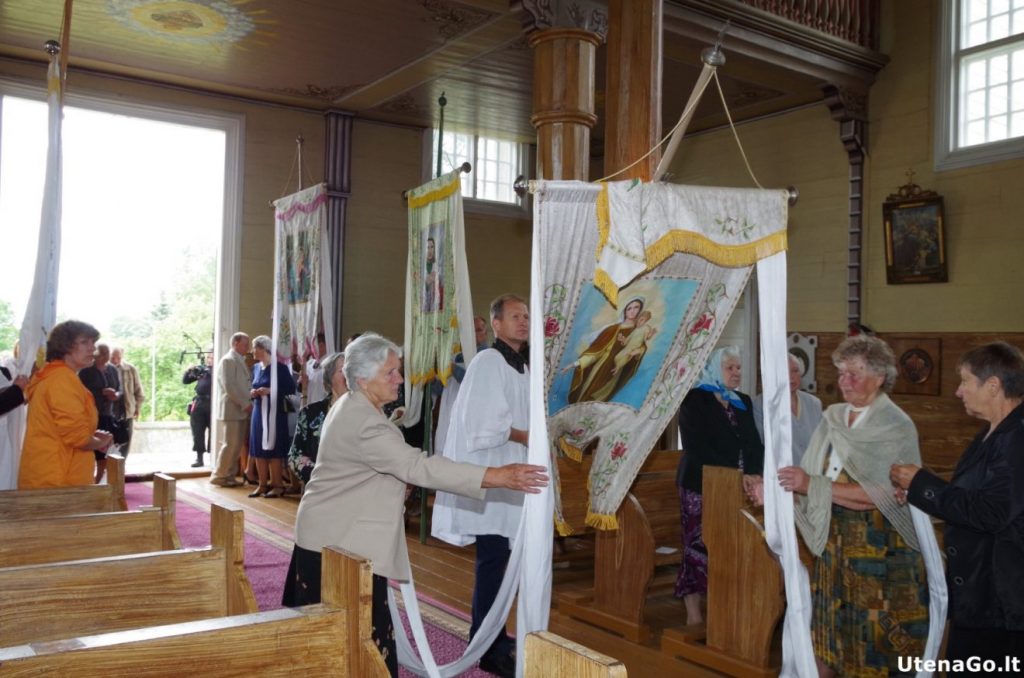
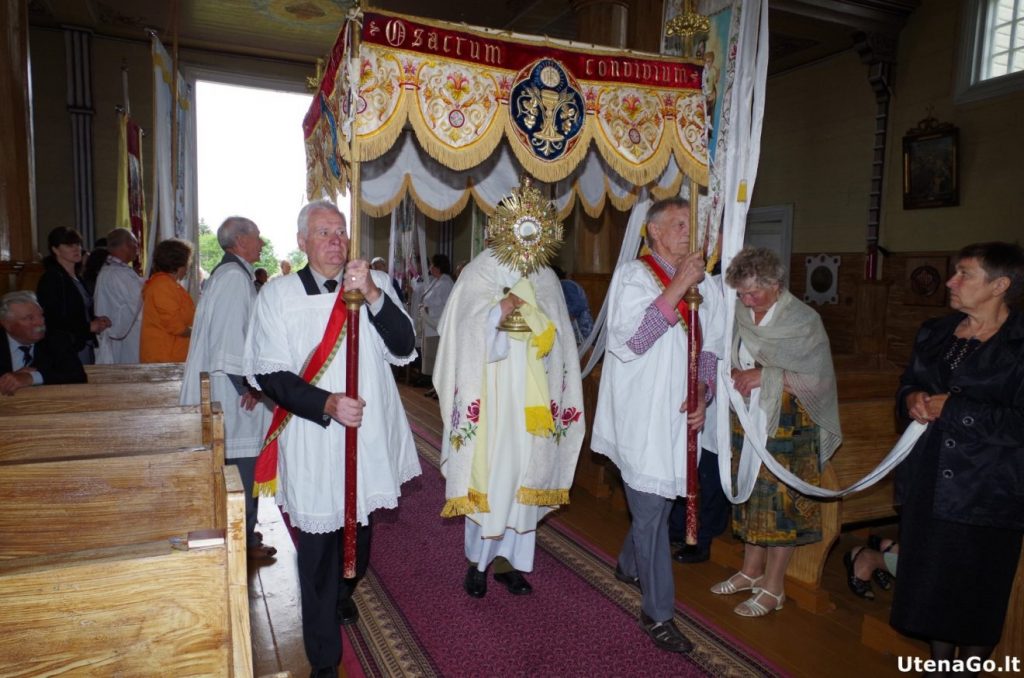
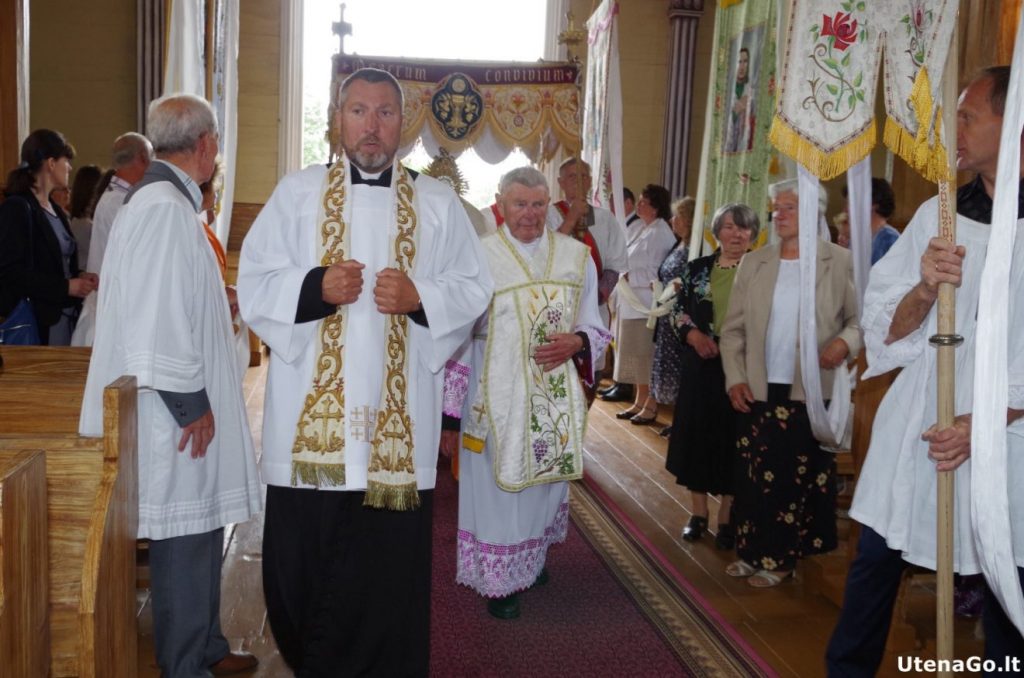
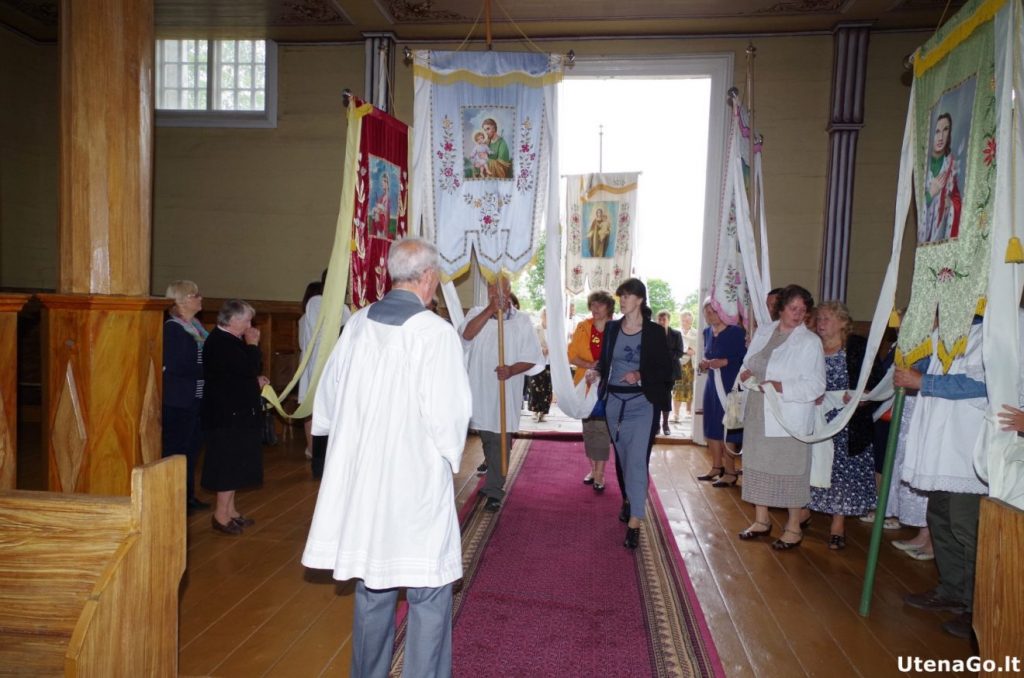
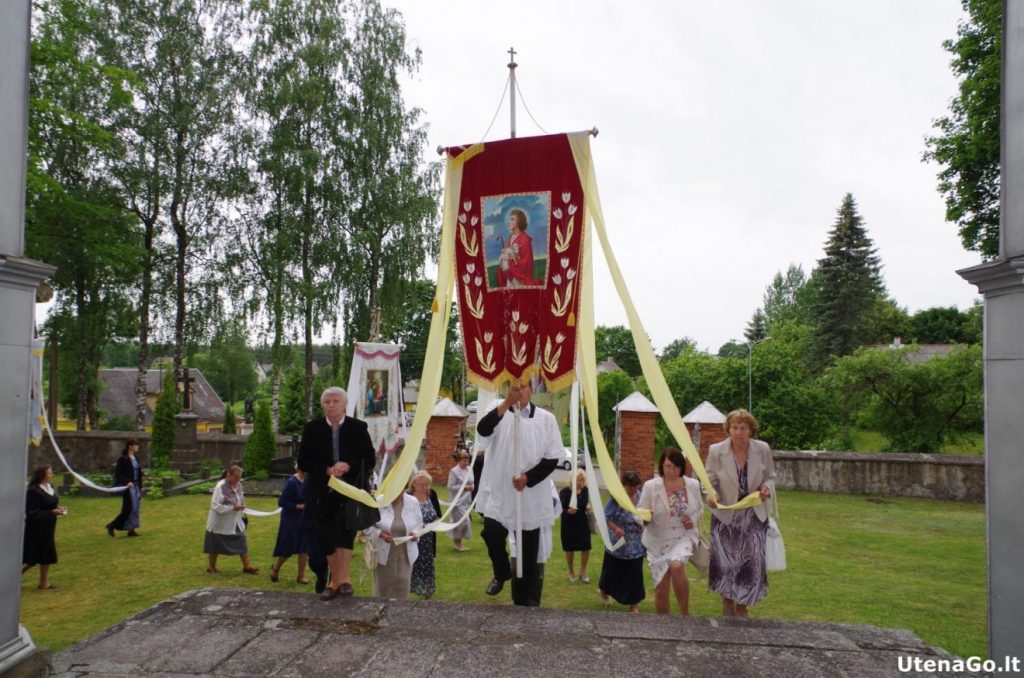
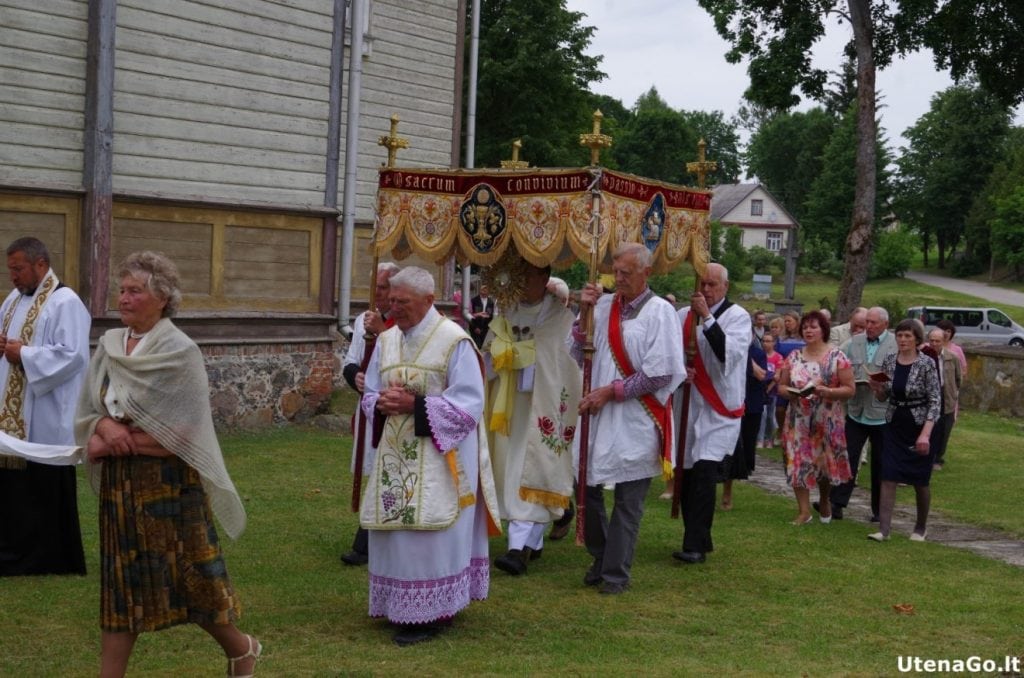
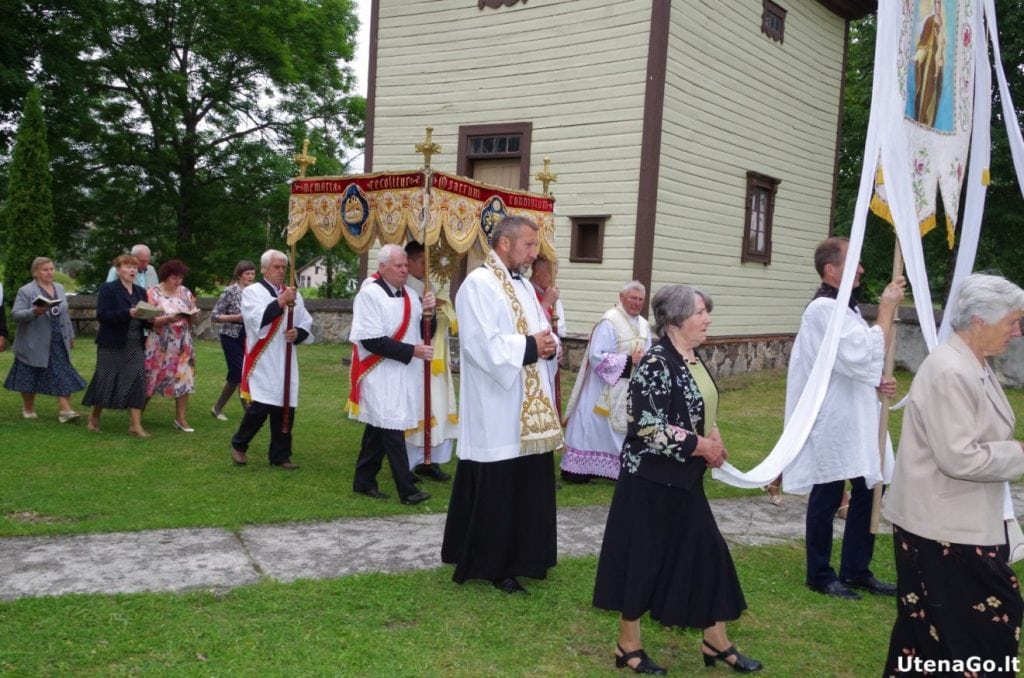
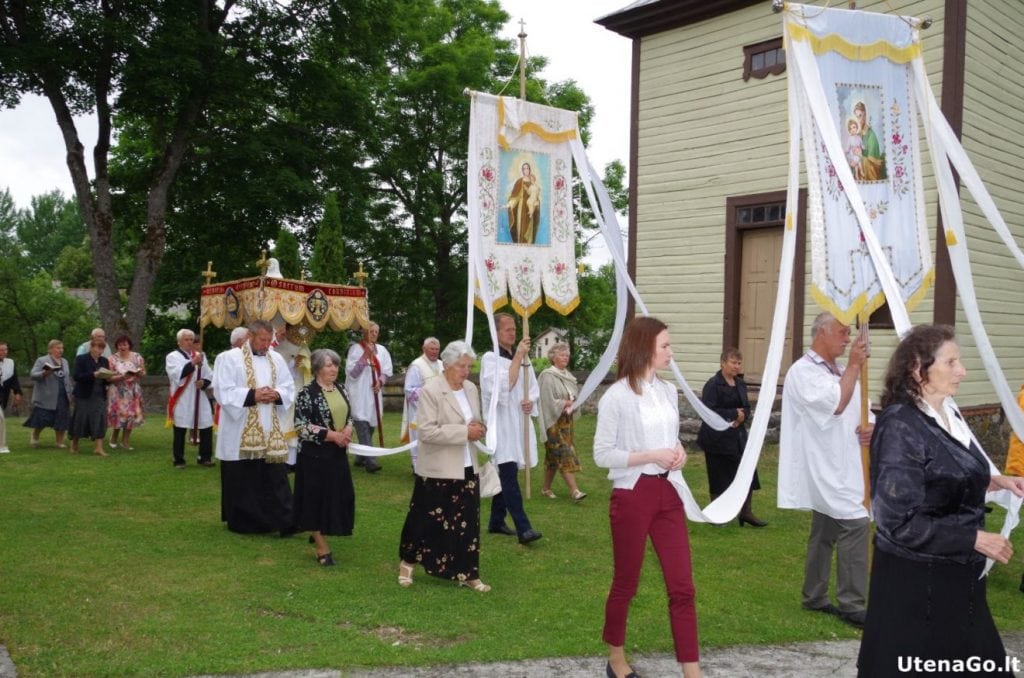
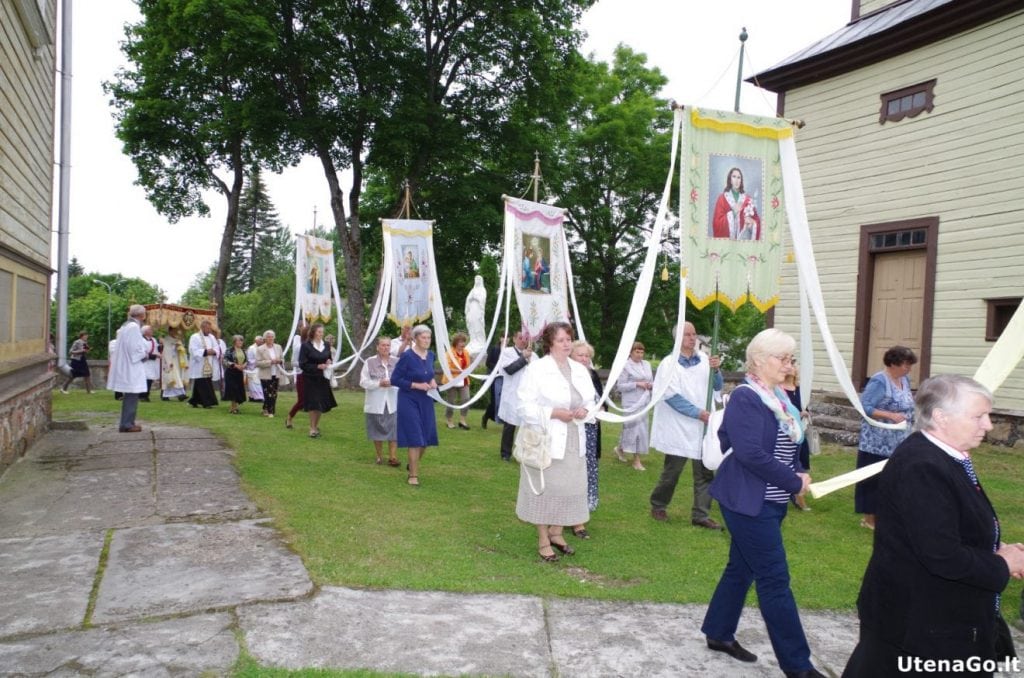
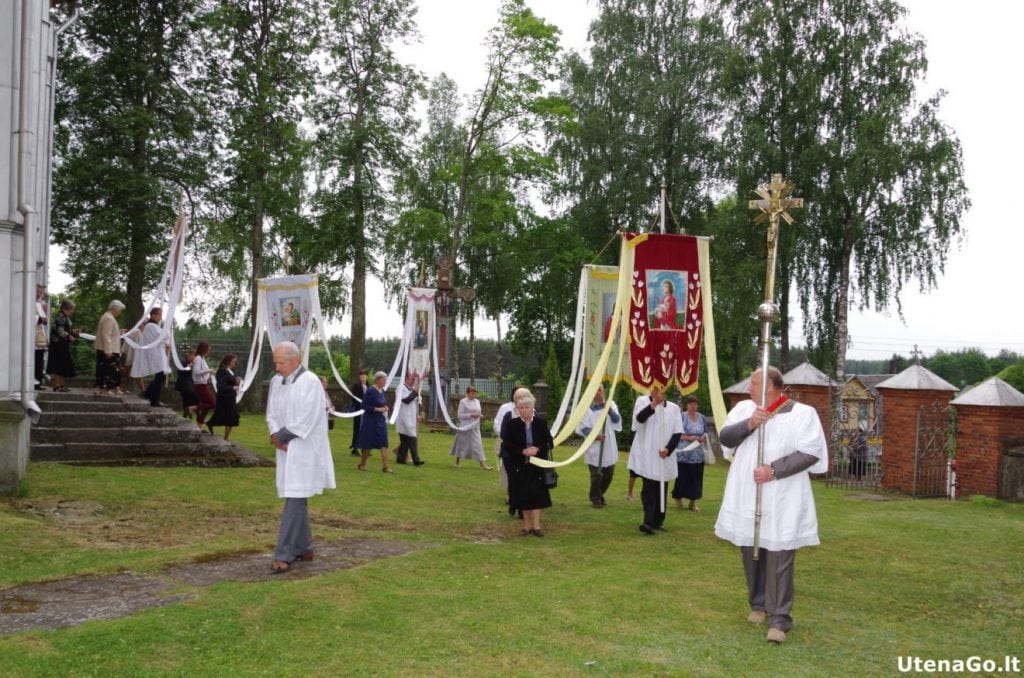
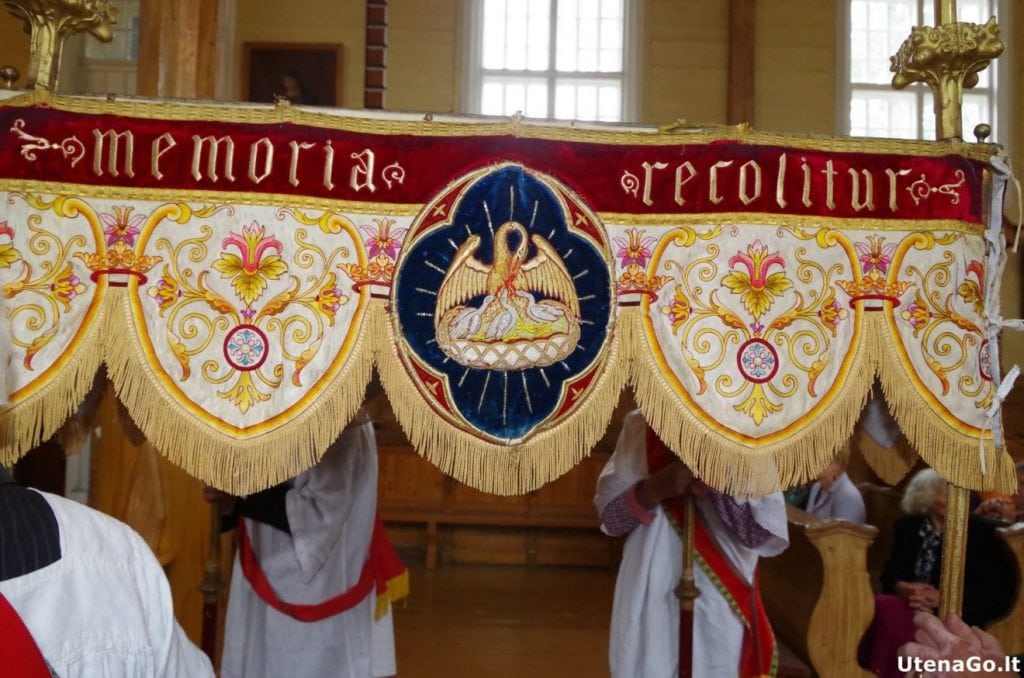
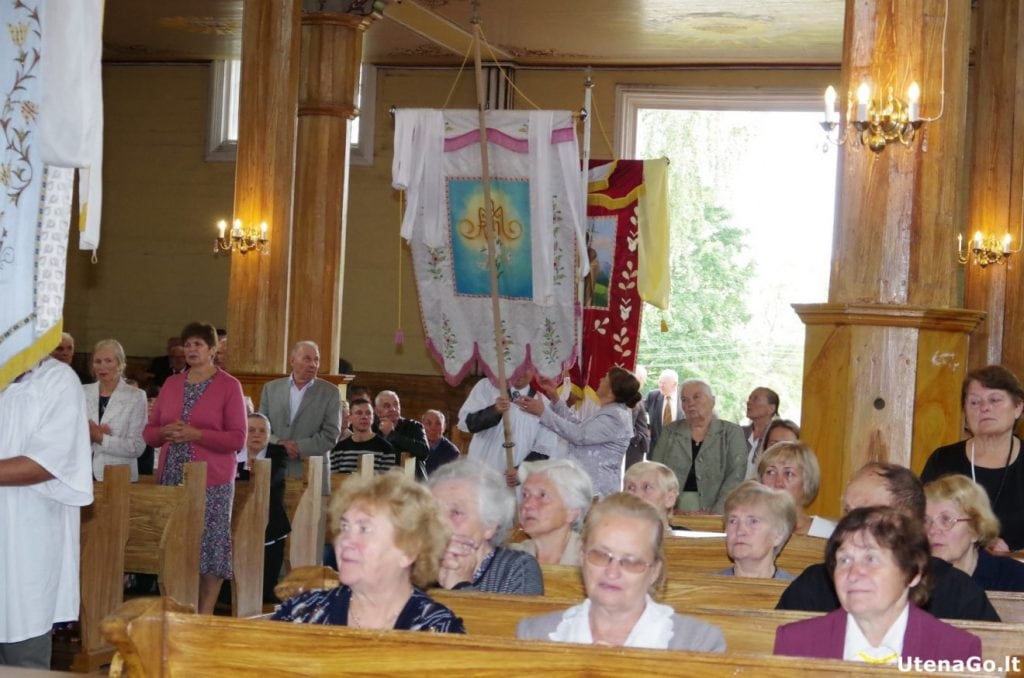
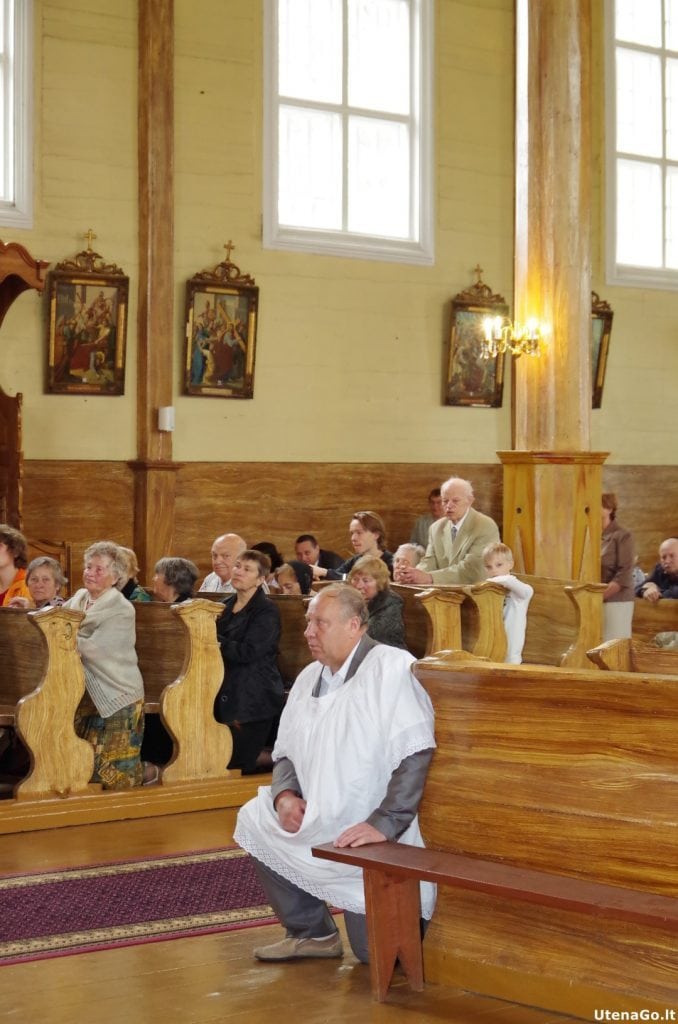
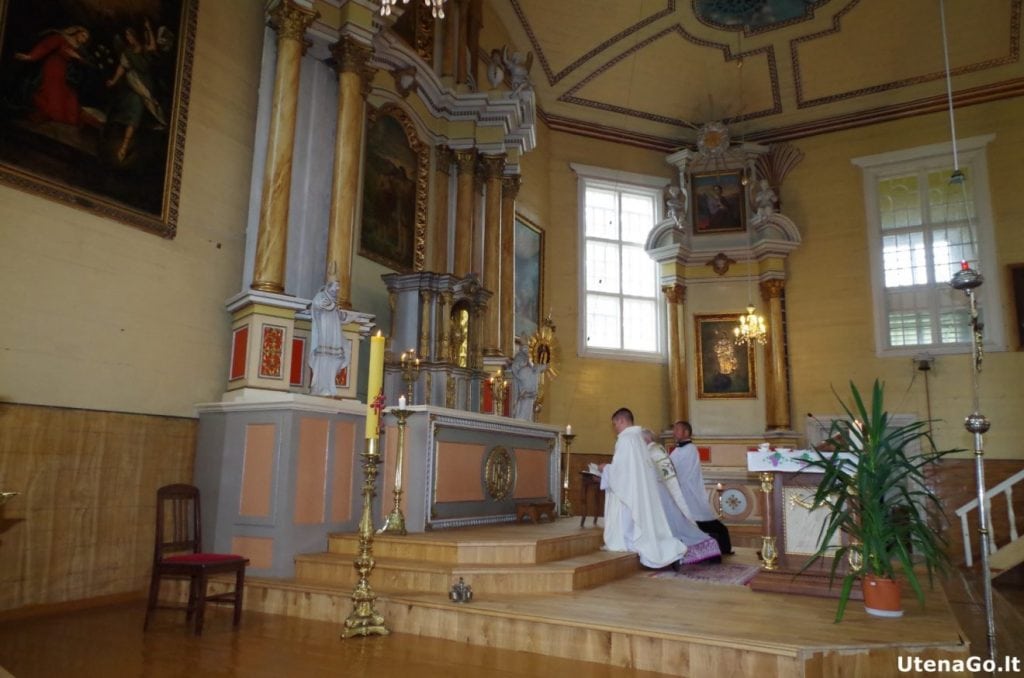
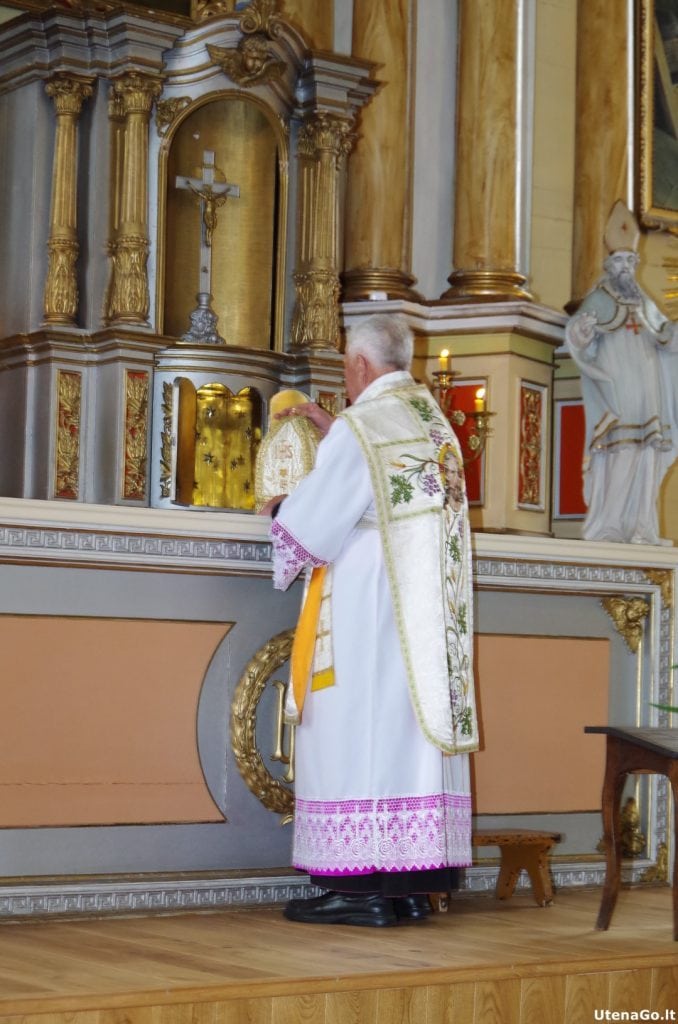
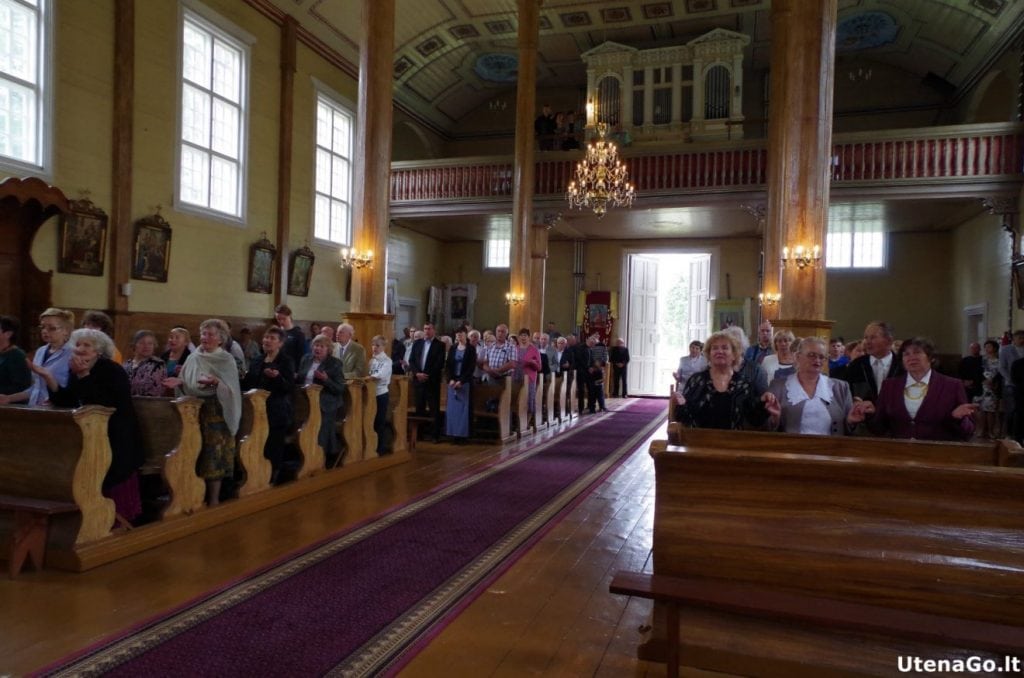
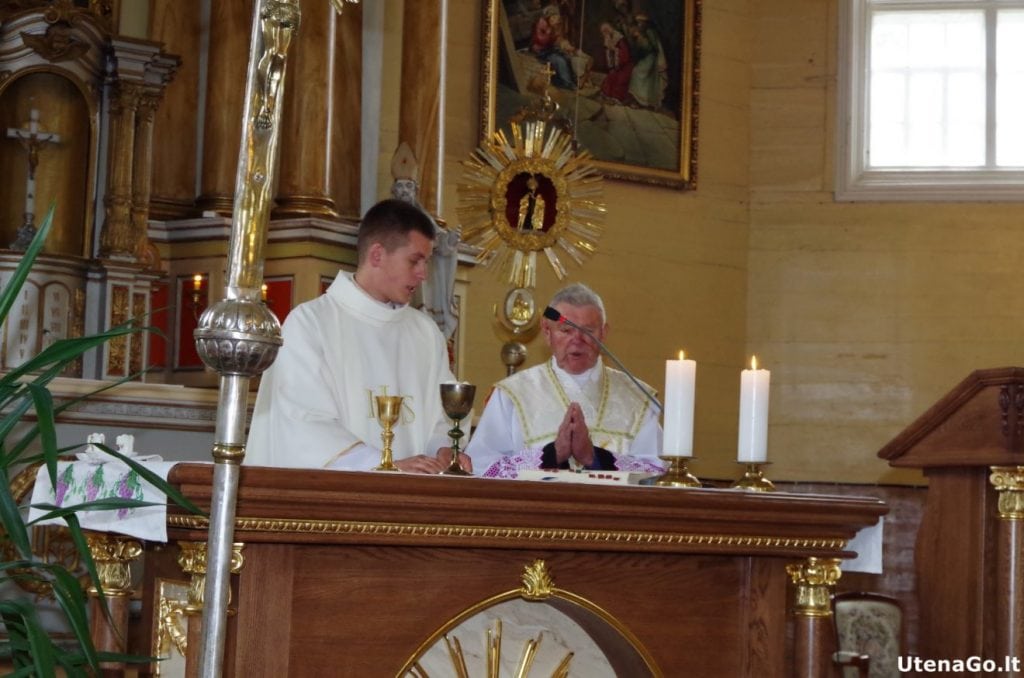
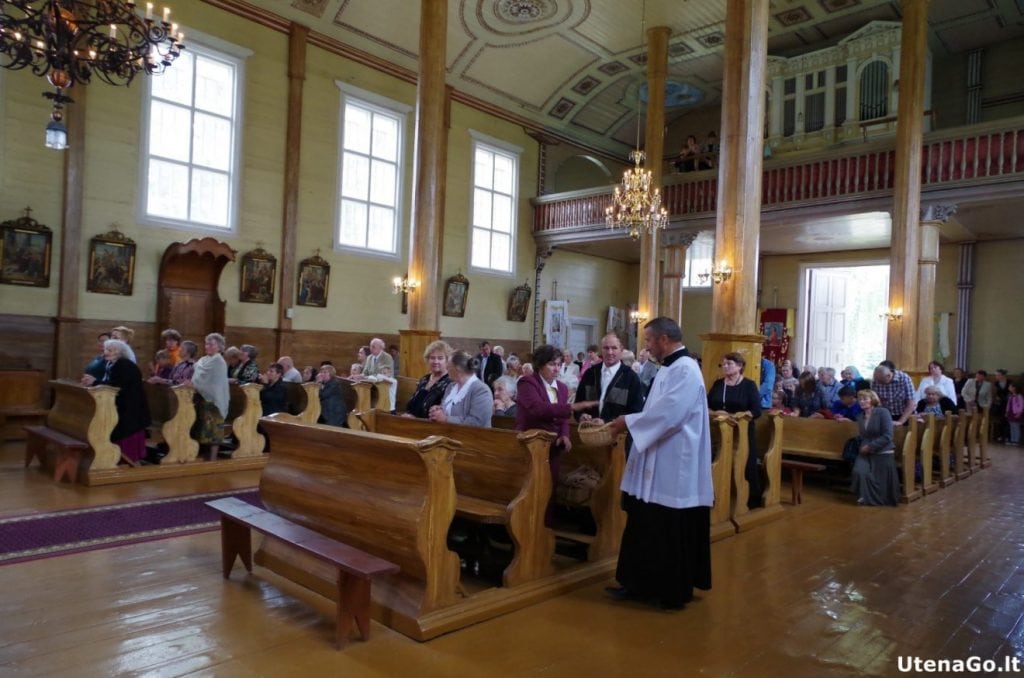
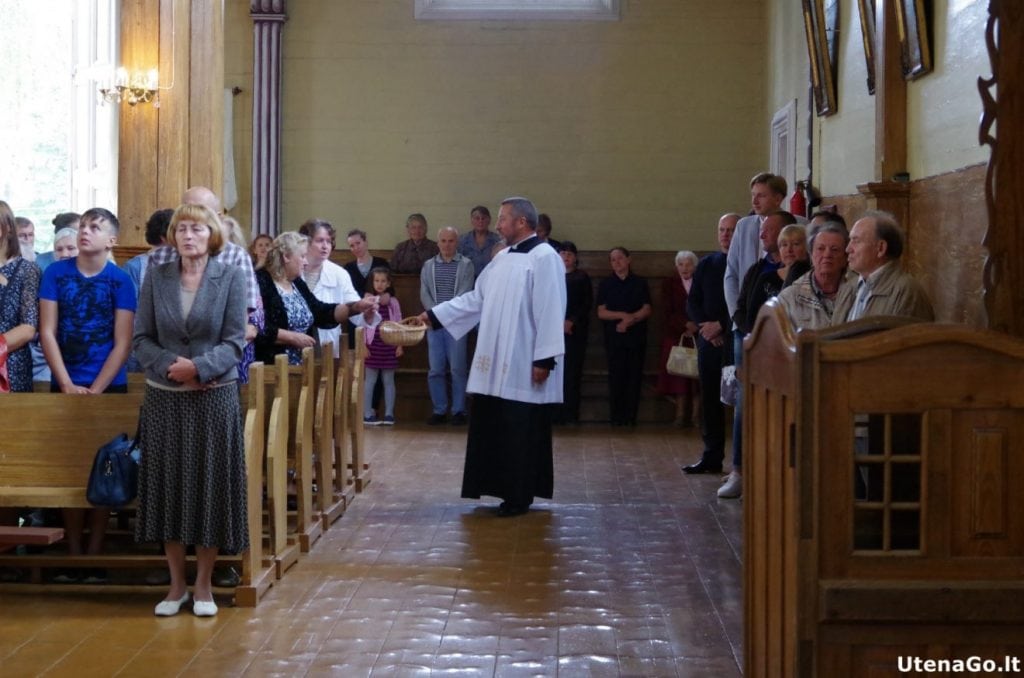
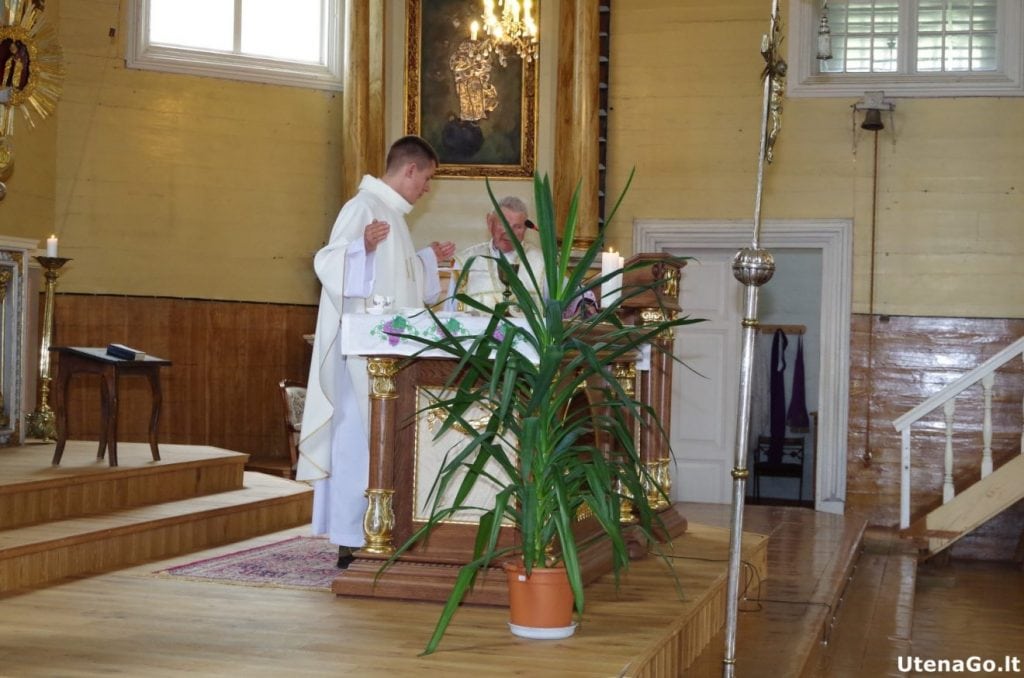
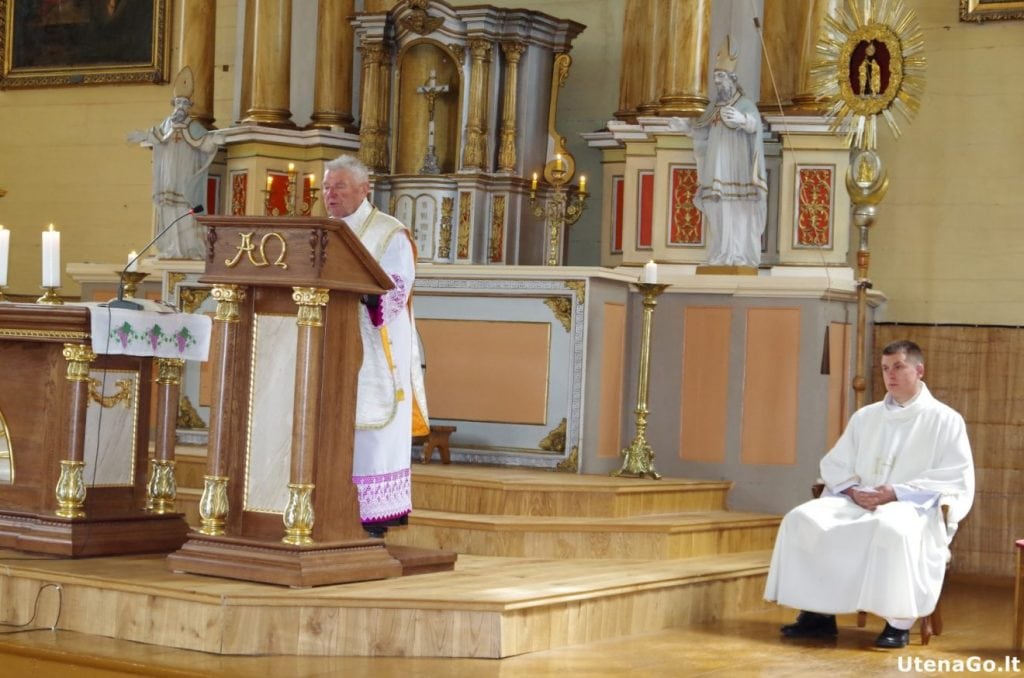
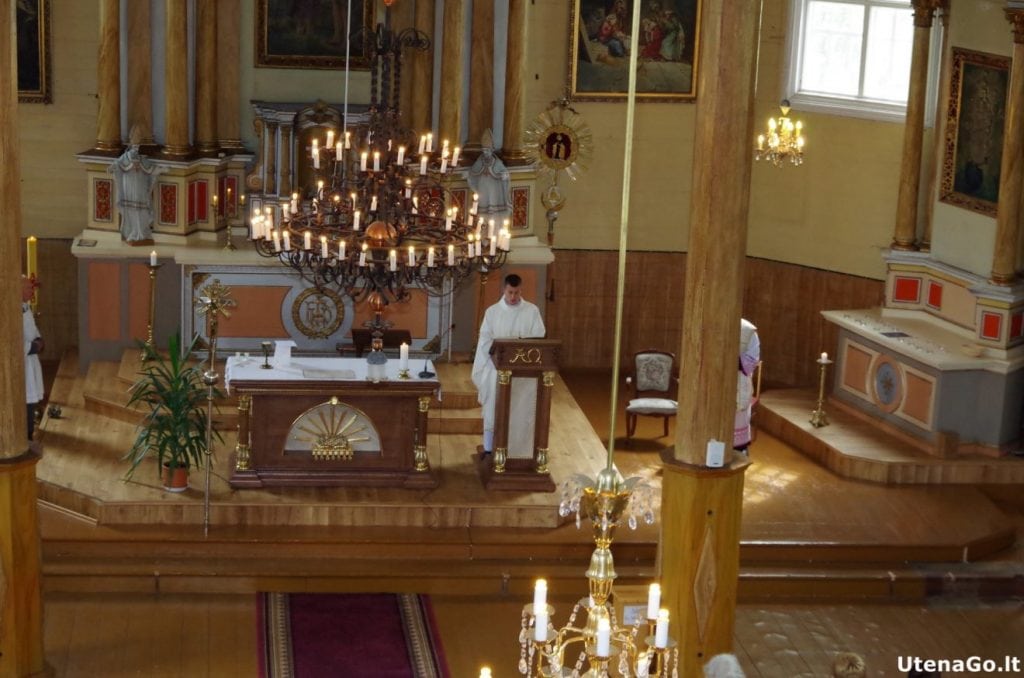
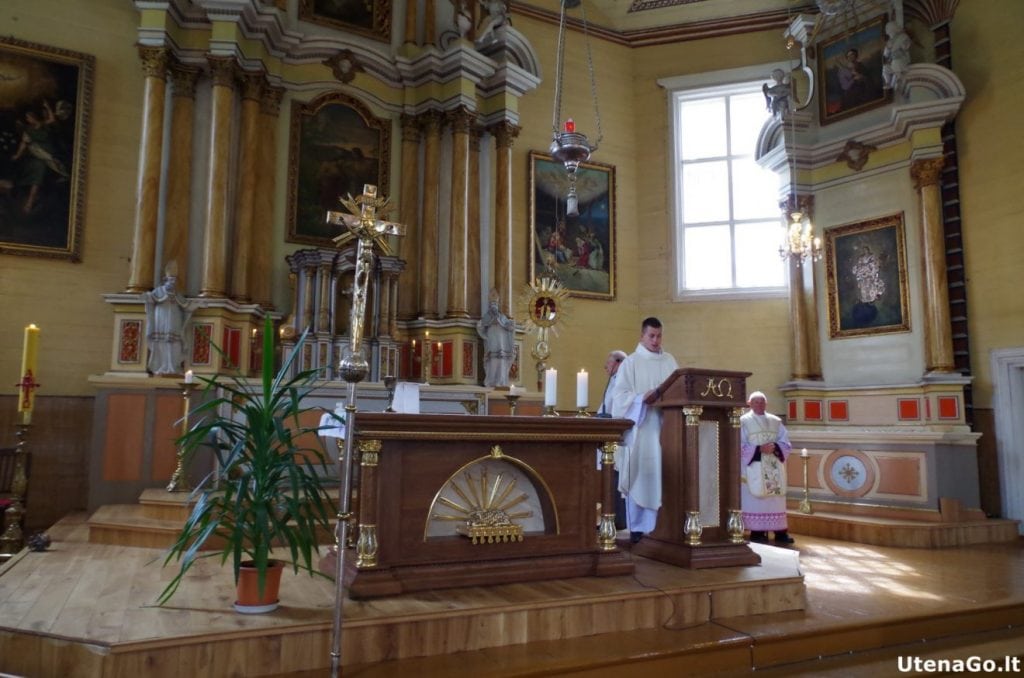
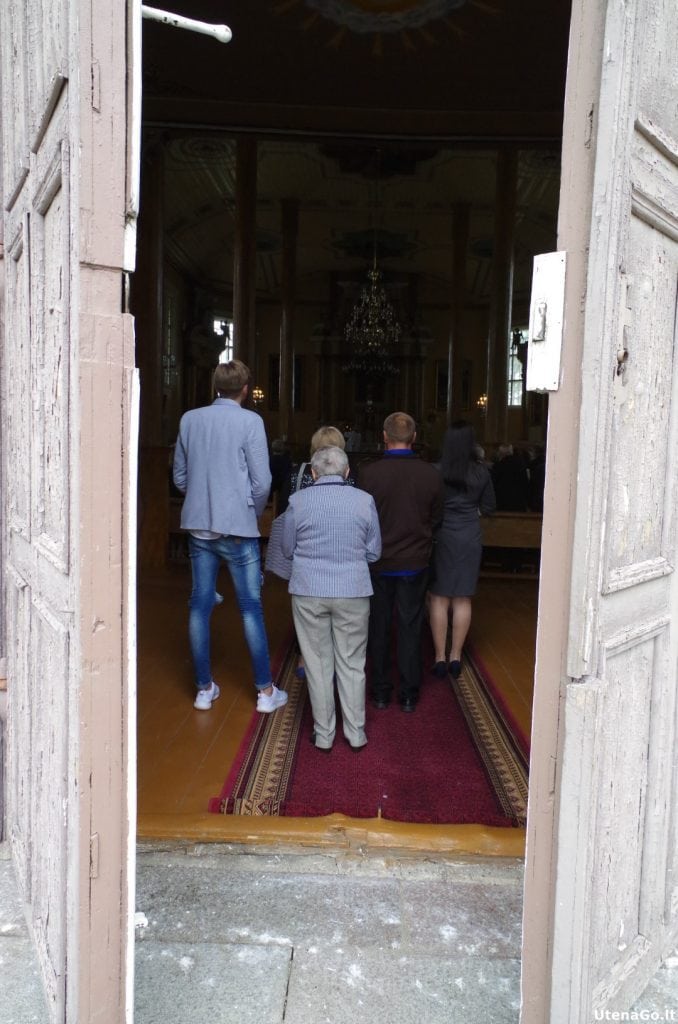
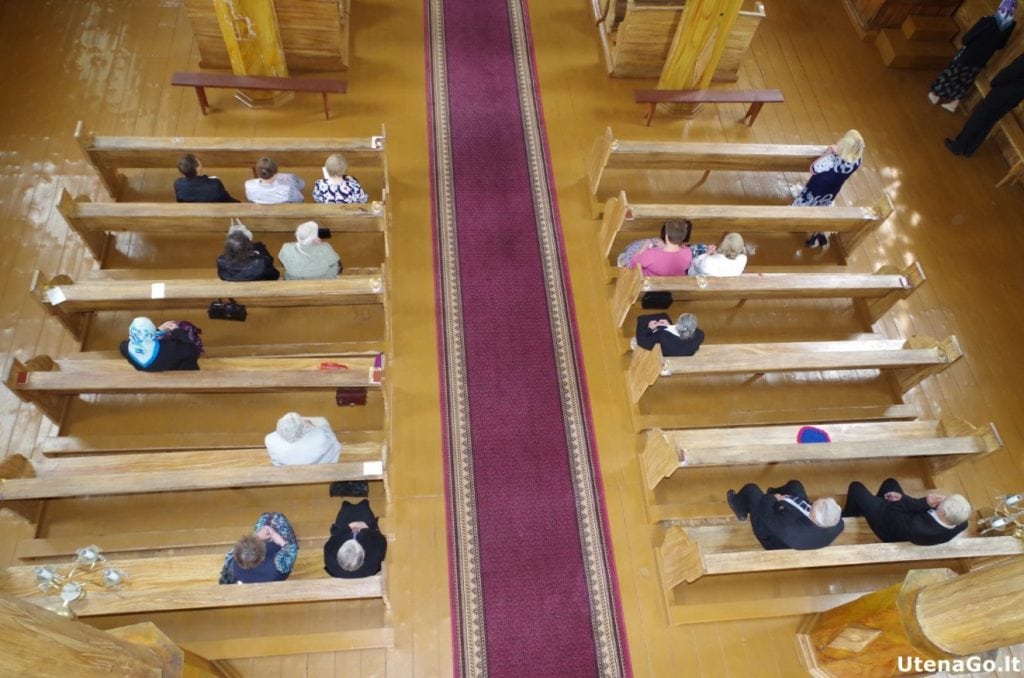
The town also had a primary parish school. After the defeat of the national uprising of 1863 the Tsarist authorities opened a Russian primary school. In 1898–1900 the parson K. Valiūnas and his parishioners initiated and funded the construction of a completely new wooden church, which is still open and functioning today. The church has accumulated a number of valuable pieces of art. One of them is the wooden polychromed altar, made by the master A. Zimodras from Vilnius, which was transferred from the cemetery chapel. Another piece to be mentioned is the painting of Mary with Child, painted by the artist P. Rozelinas in 1790. The church and the churchyard also features wooden crosses, made by the well-known folk artist A. Deveikis.
After the restoration of Lithuania’s independence the town remained the centre of the volost. According to population census, the number of people living in the town in 1923 was 429, at the manor — 25 and at the train station — 27. In Kuktiškės there was the administration of the volost municipality, a primary school, a medical station, a pharmacy, a police station, a post office, shops, a library with a reading room, as well as the house of the Riflemen’s Union, etc. In 1928 Kuktiškės parish had 4418 members. In 1940 the town’s population was about 500.
Legend of the Castle on the Shore of Kukurenta River
Kukuraitis, the son of the Duke Utenis, had built a castle on the shore of Kukurenta river.
He was famous for his good deeds and wisdom. People settling at the foot of the castle used to call the duke and the lord of the castle Kukutis. Living near the castle they felt safer and used to unite their forces in case of an enemy attack.
Gradually the settlement has expanded and people started to refer to this location as Kukutiškės, later shortening it to Kuktiškės. The castle endured numerous enemy attacks, resulting in a large number of barrows in the region.