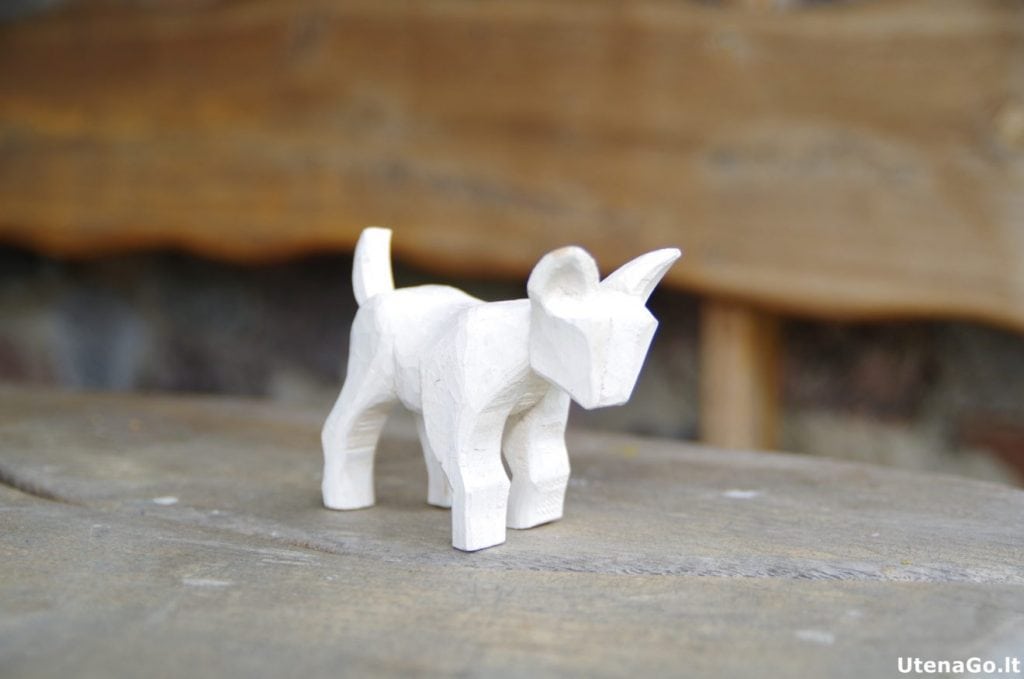
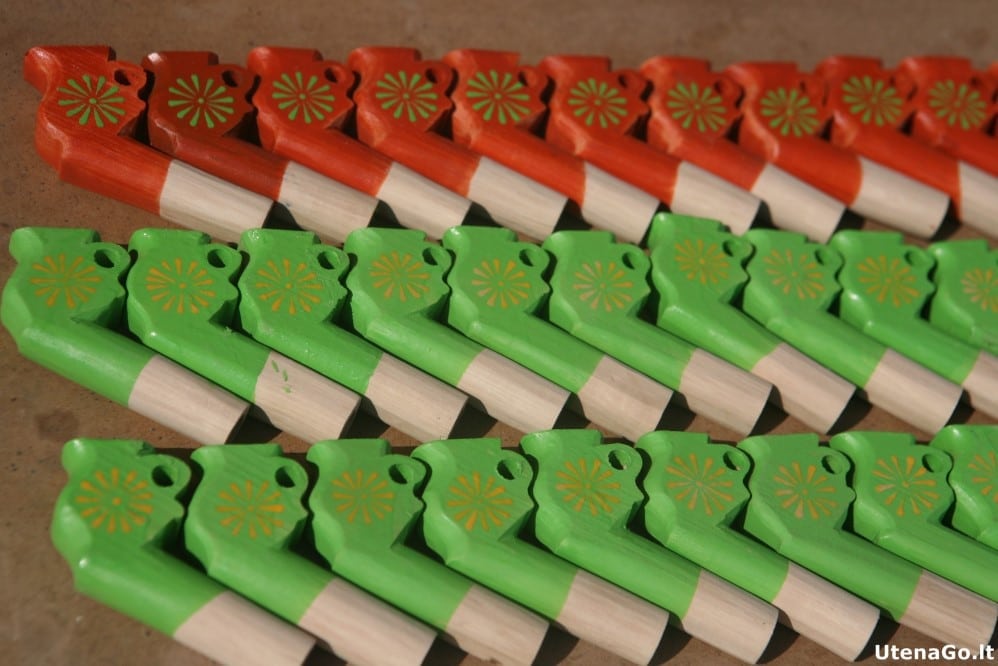
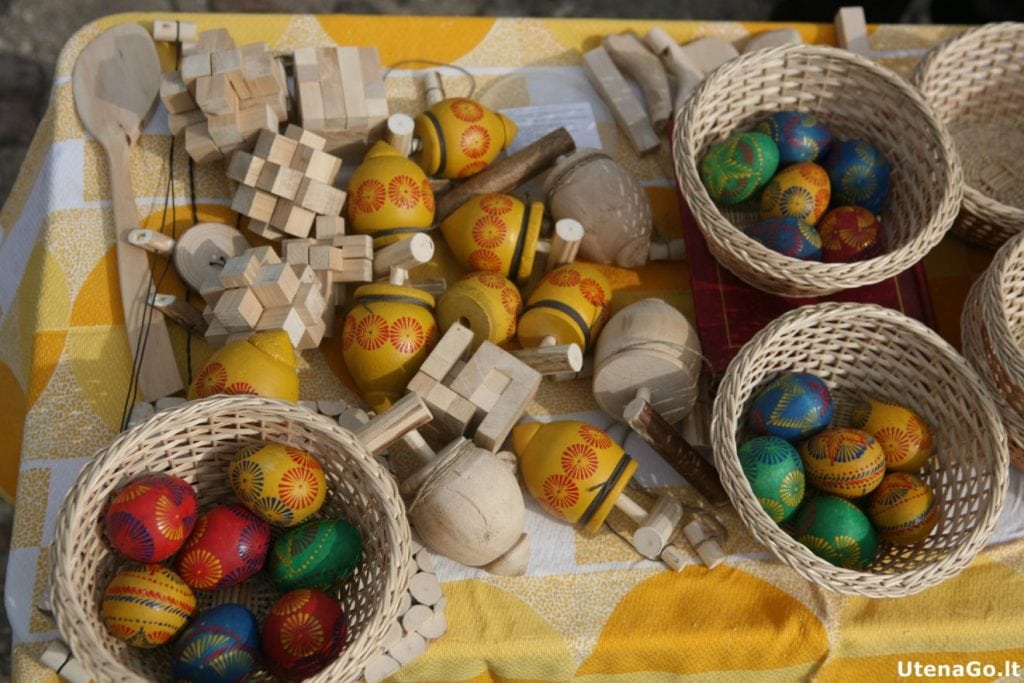
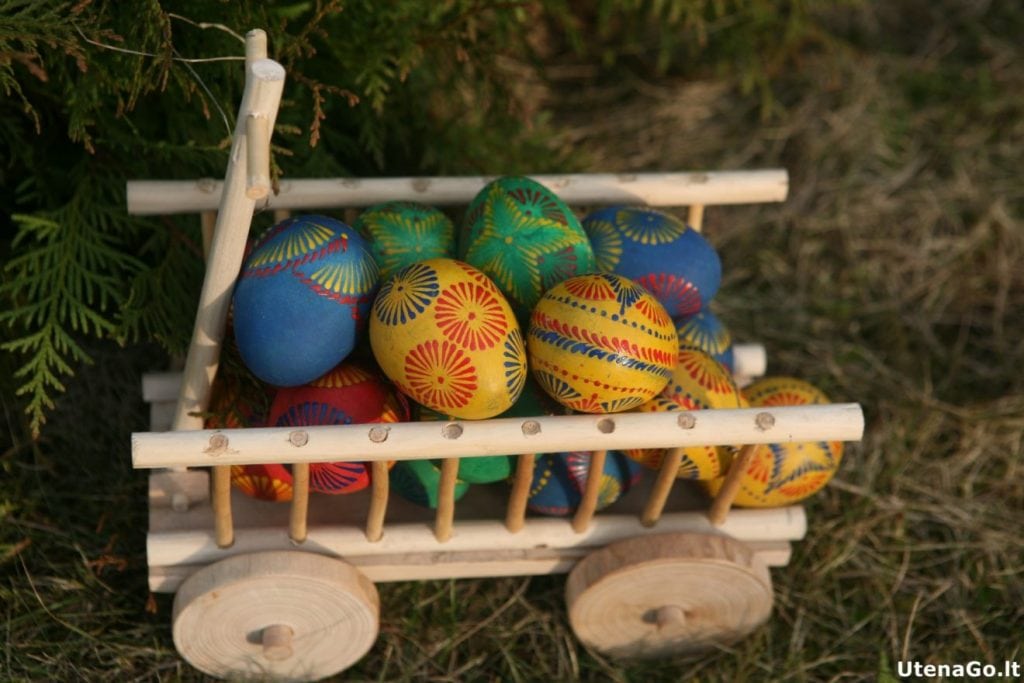
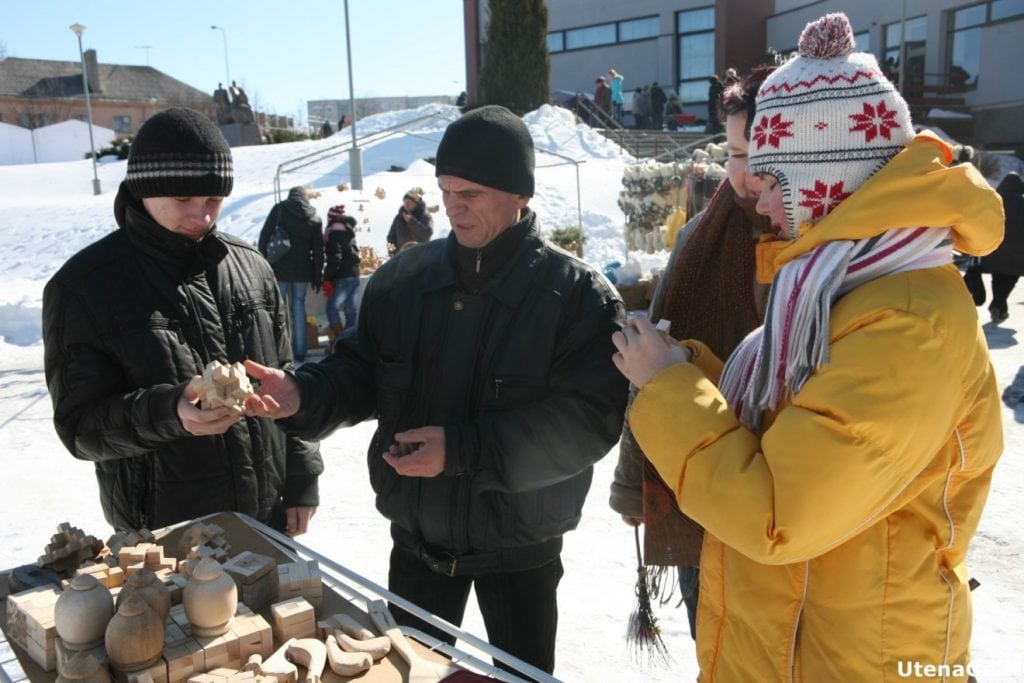
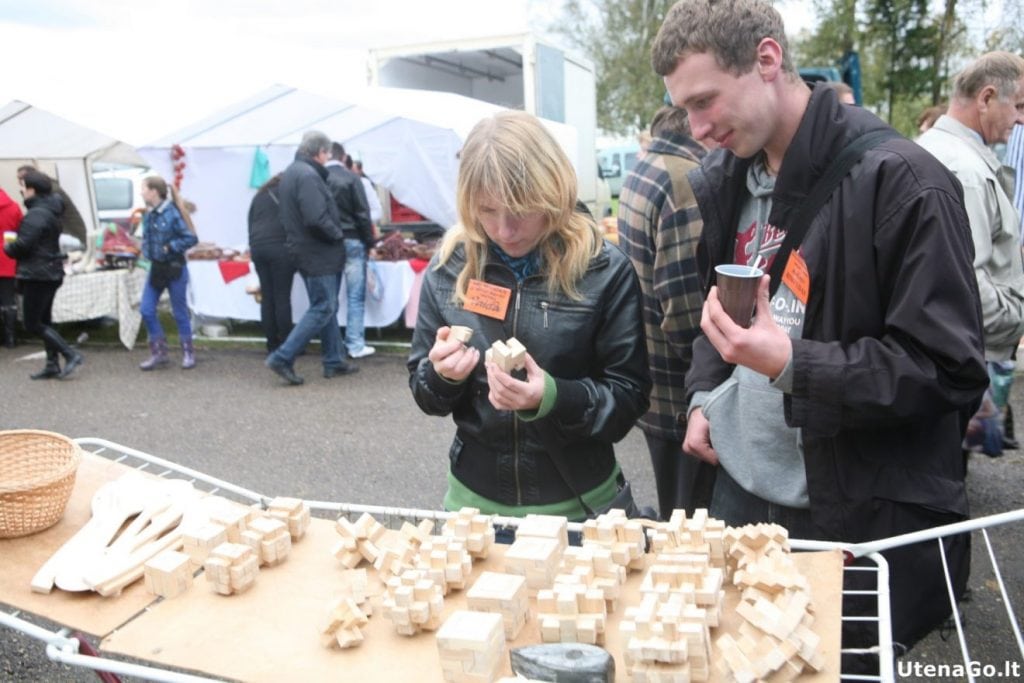
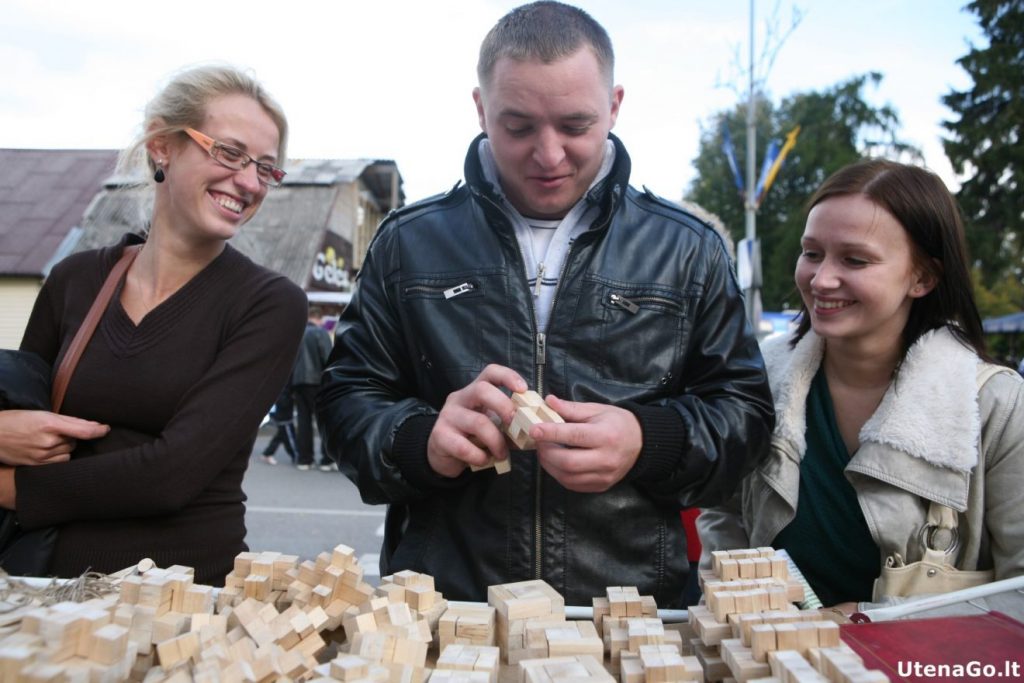
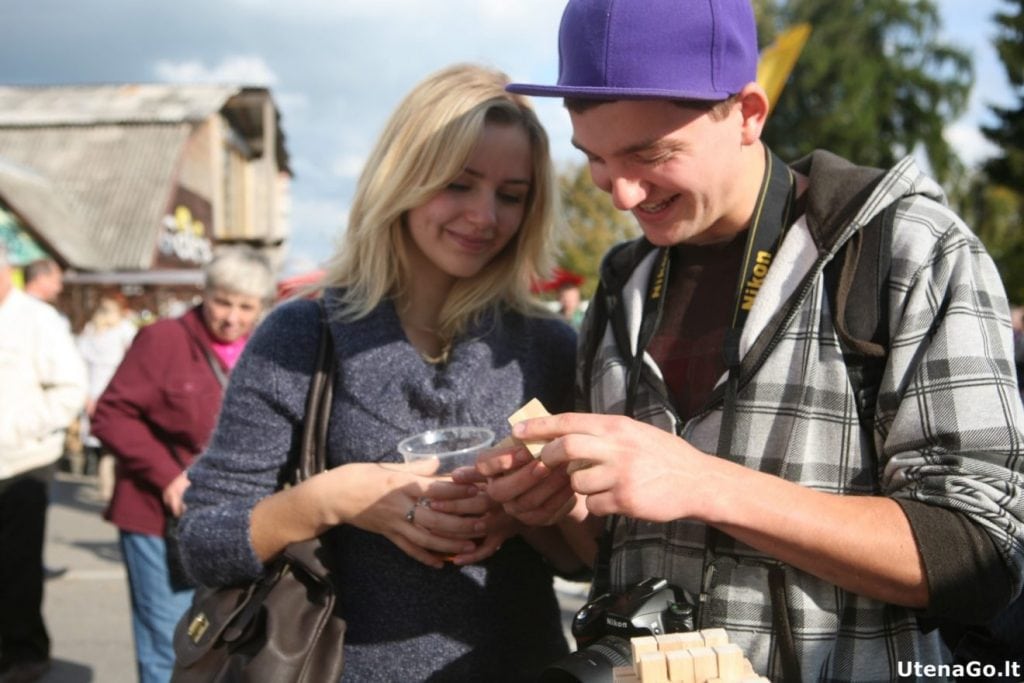
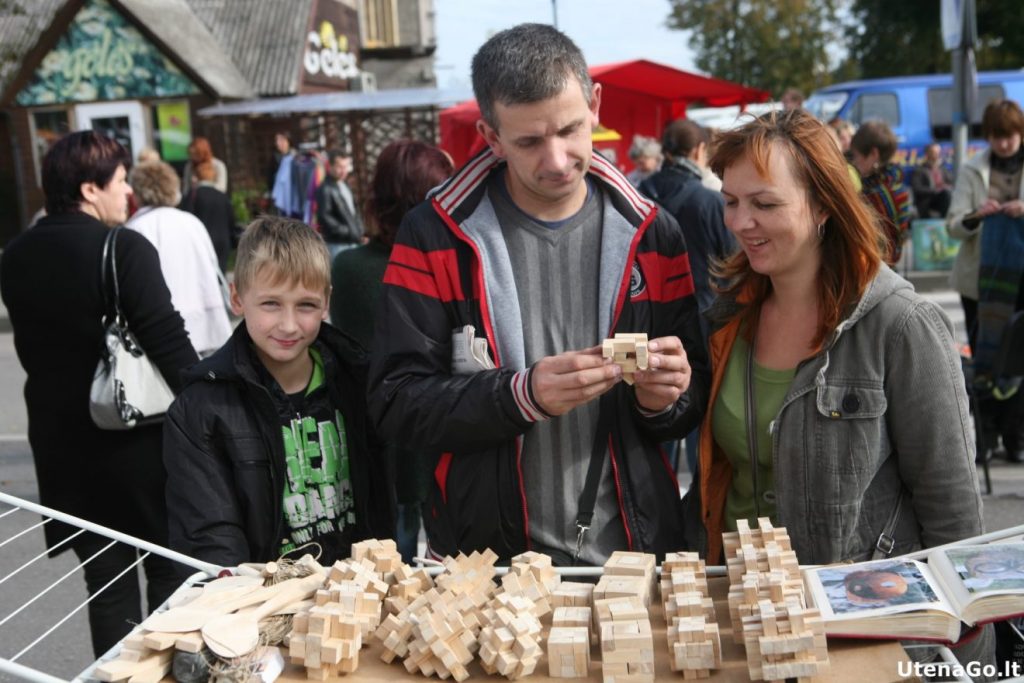
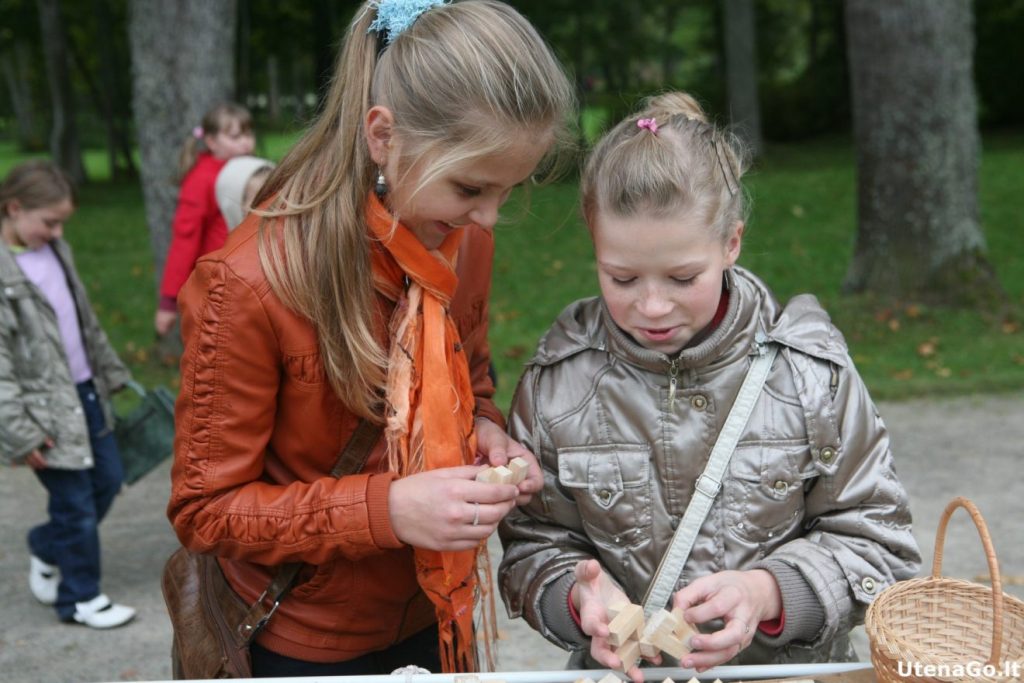
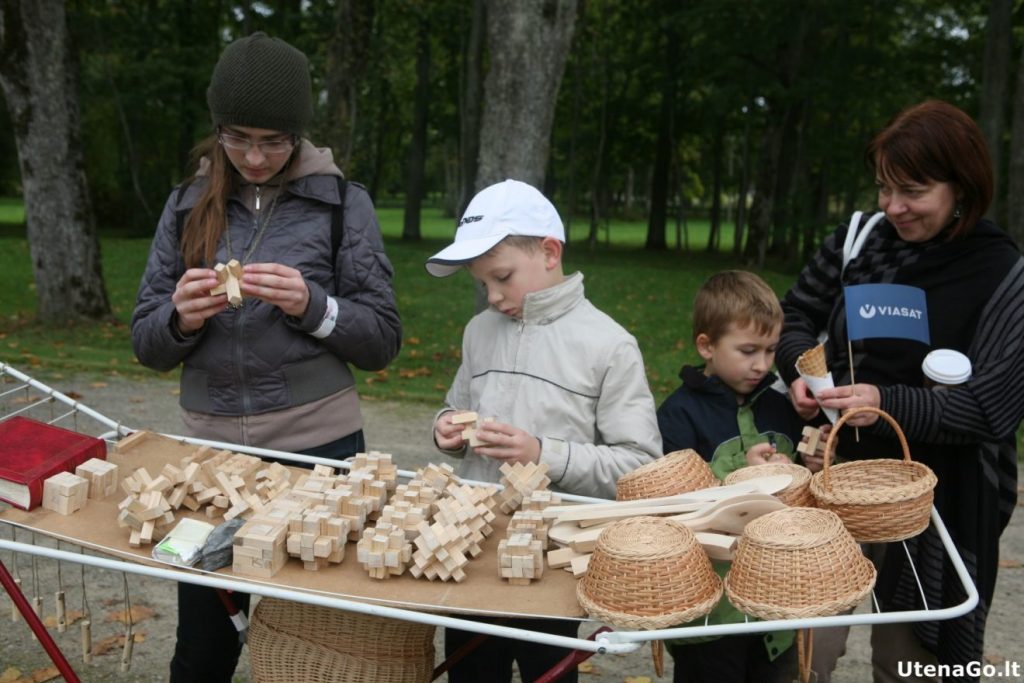
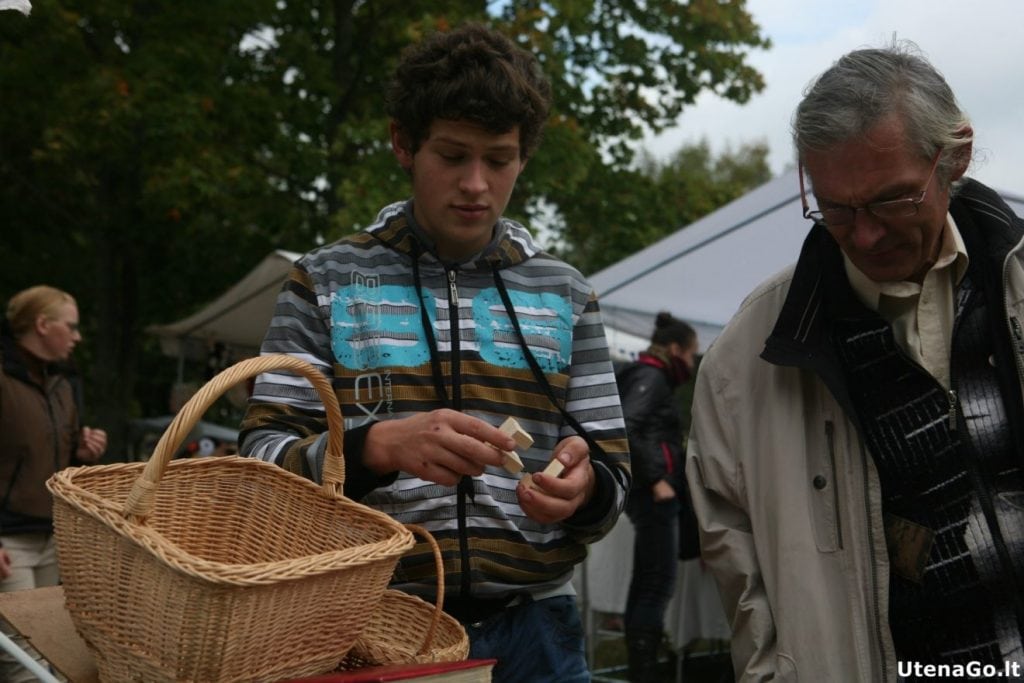
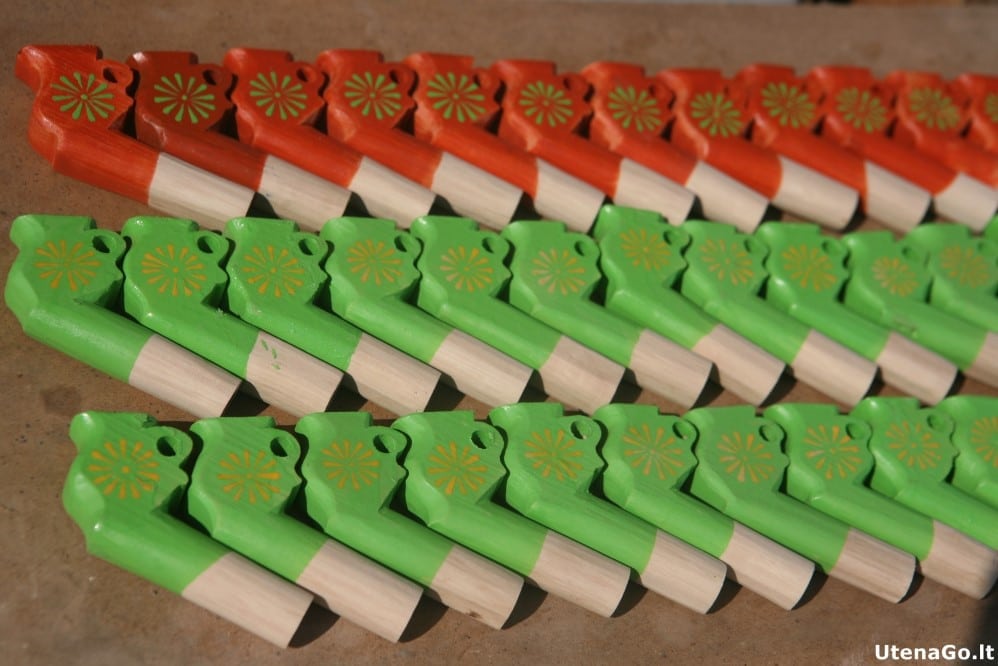
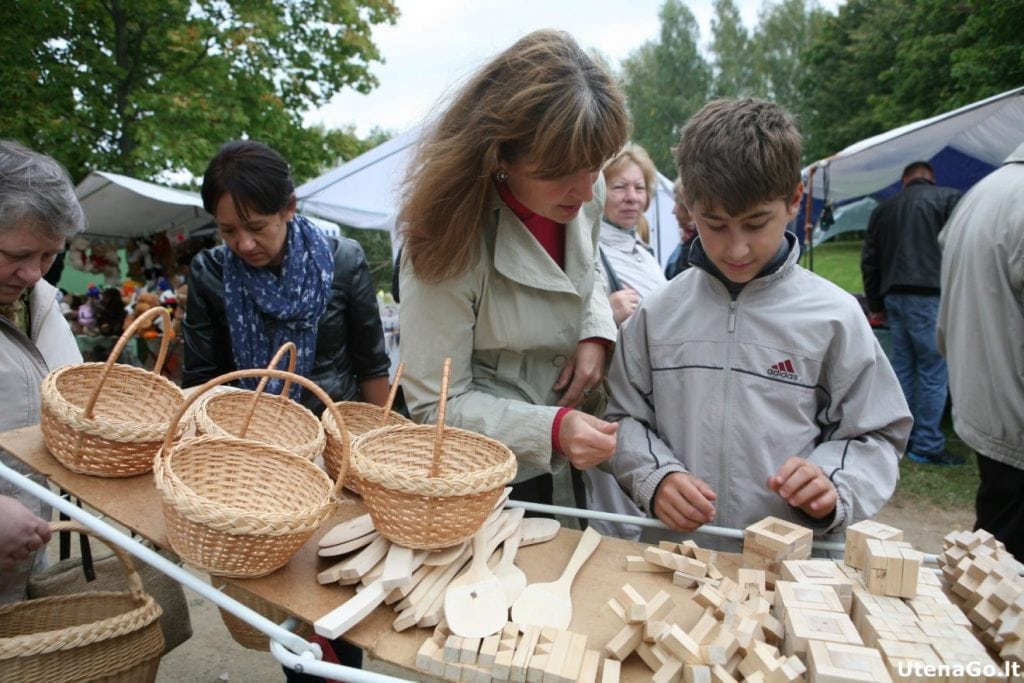
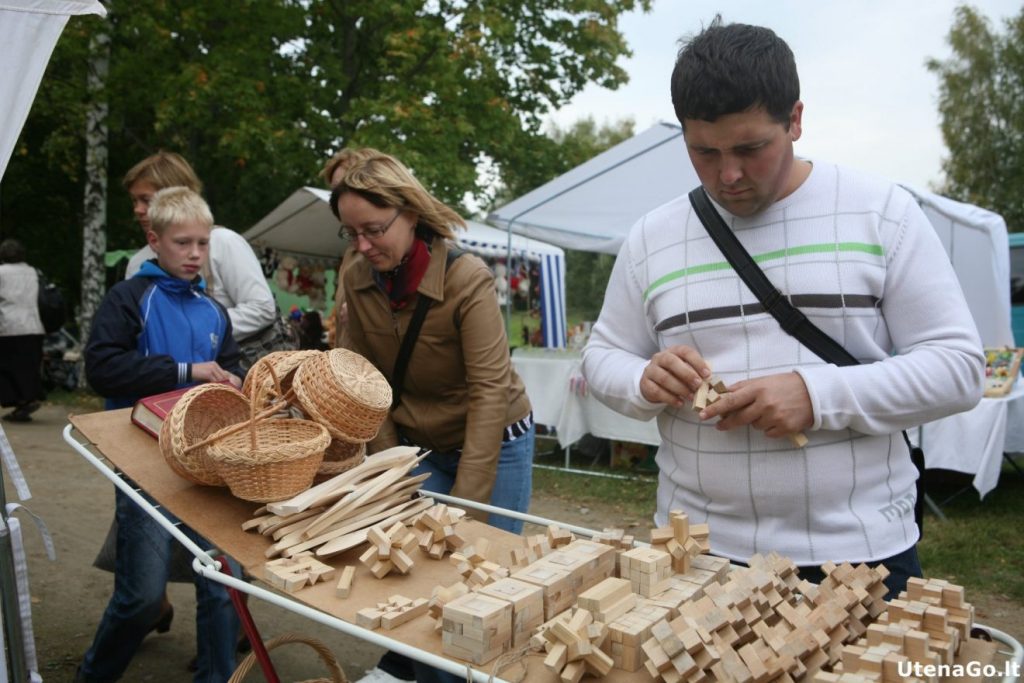
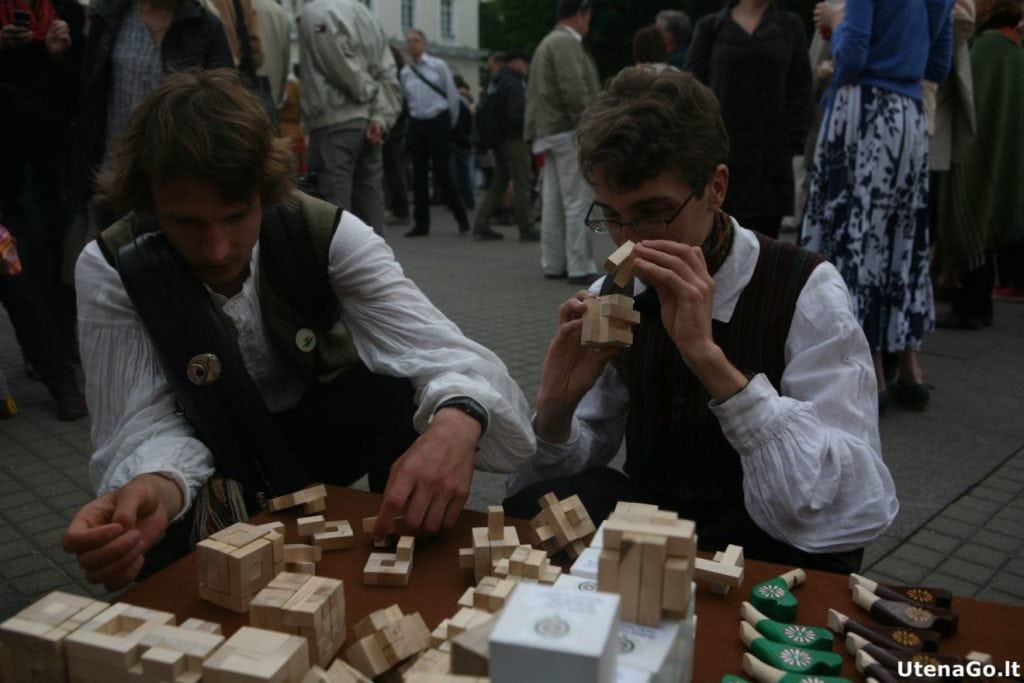
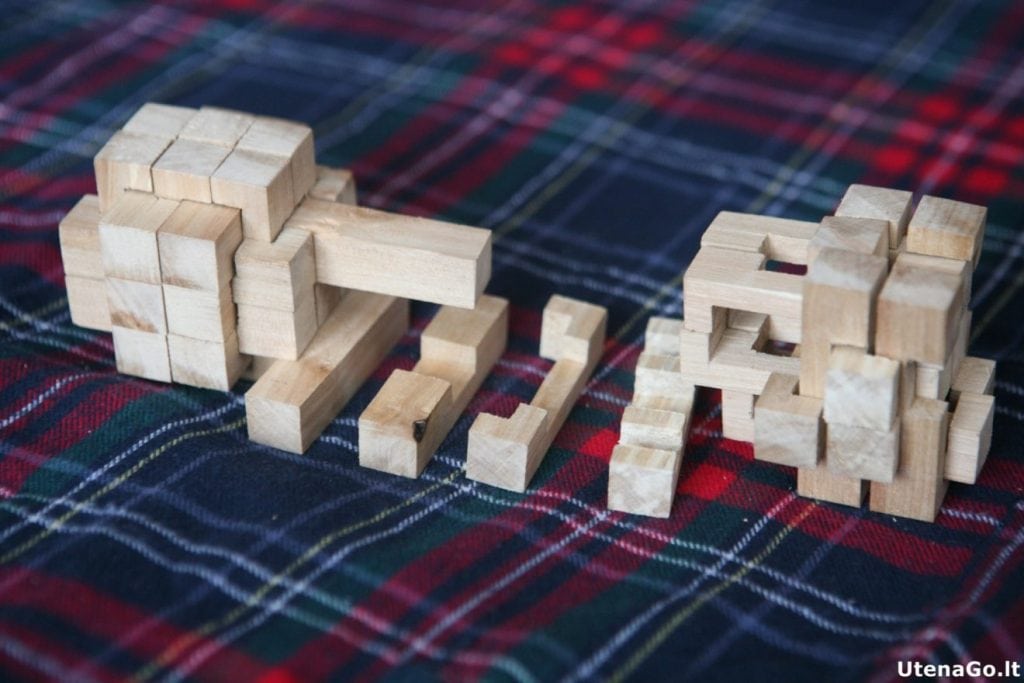
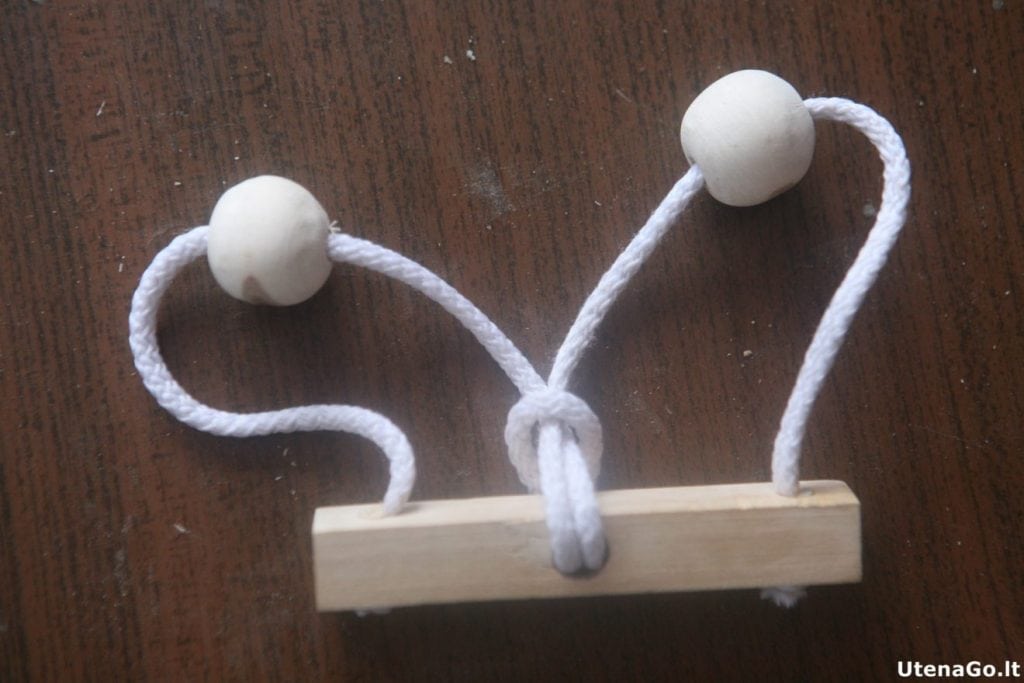
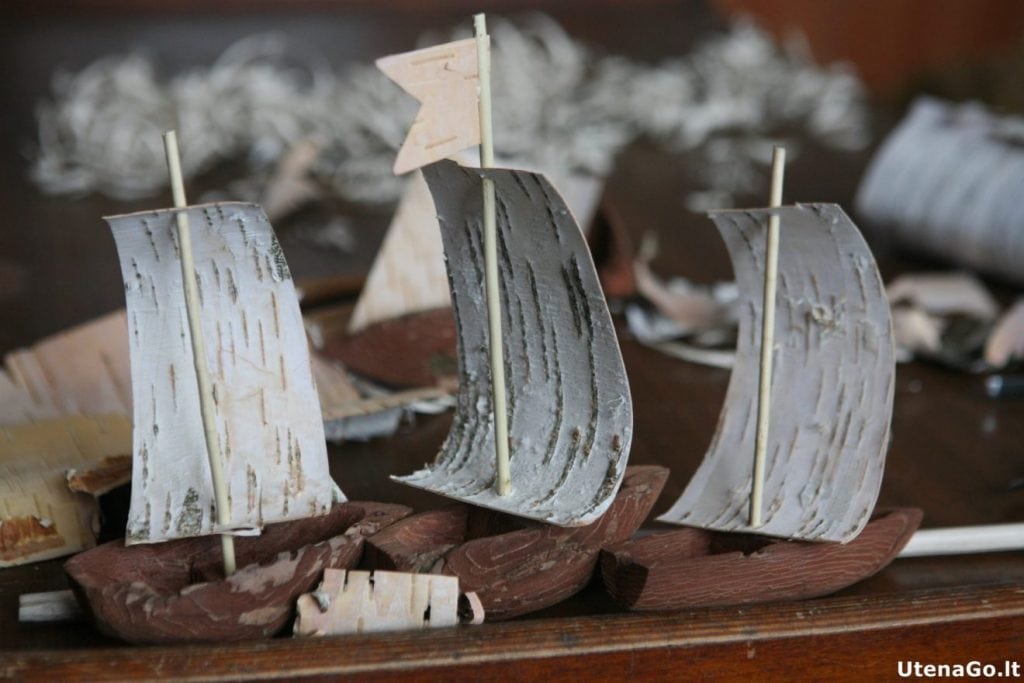
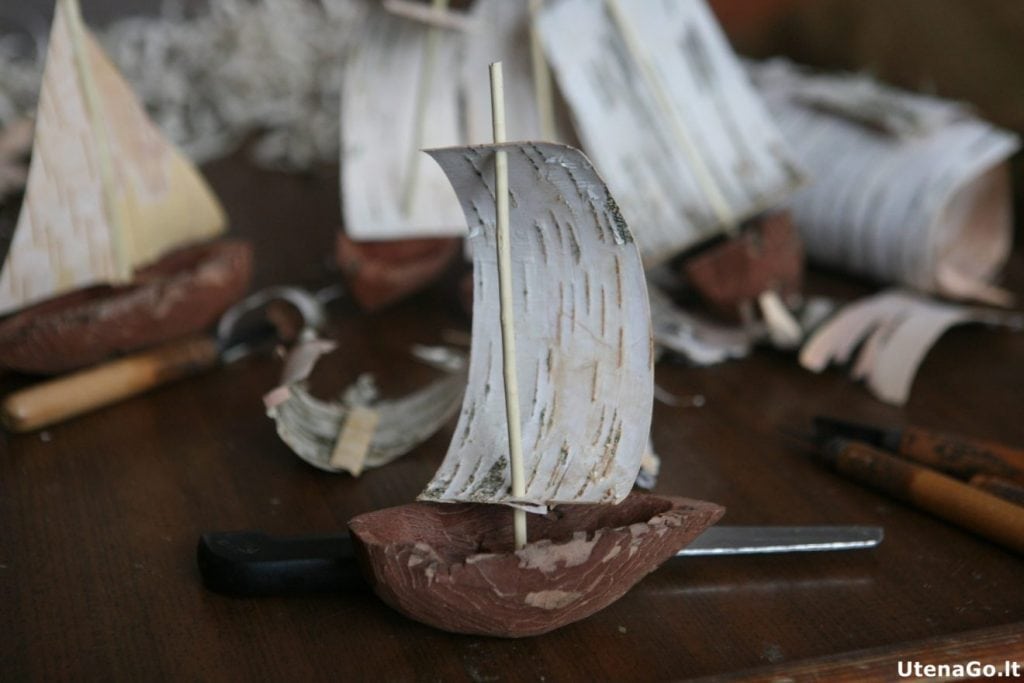
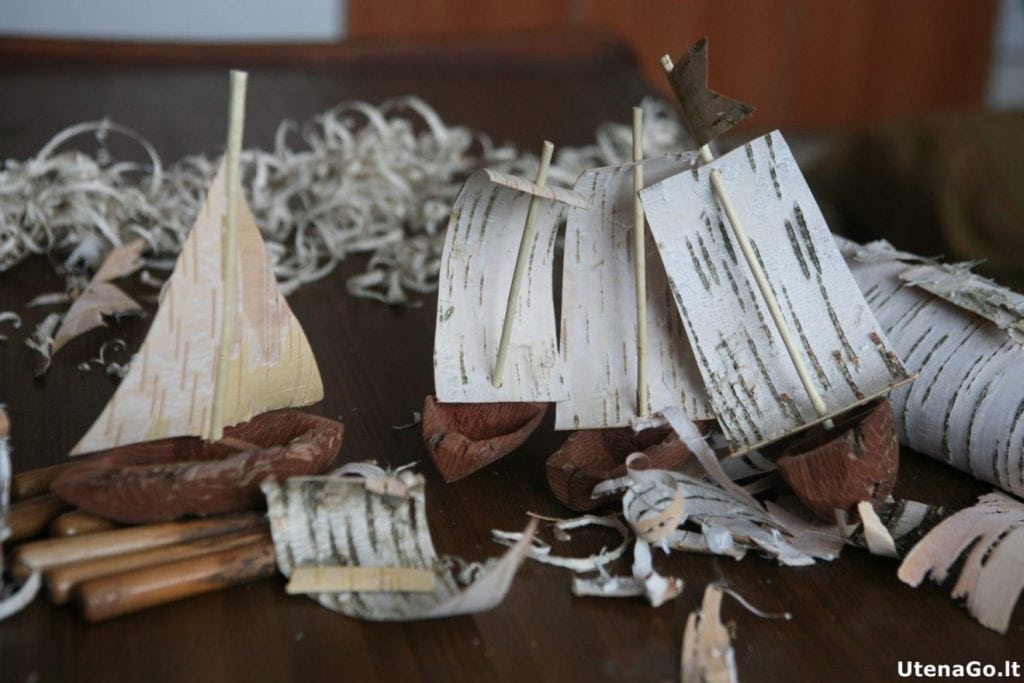
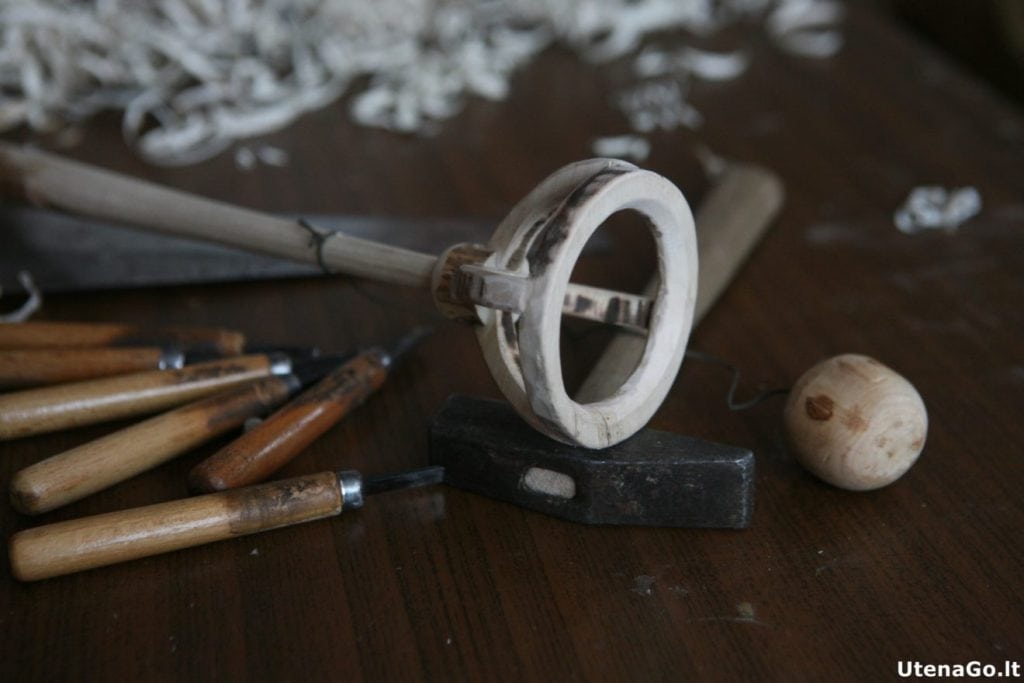
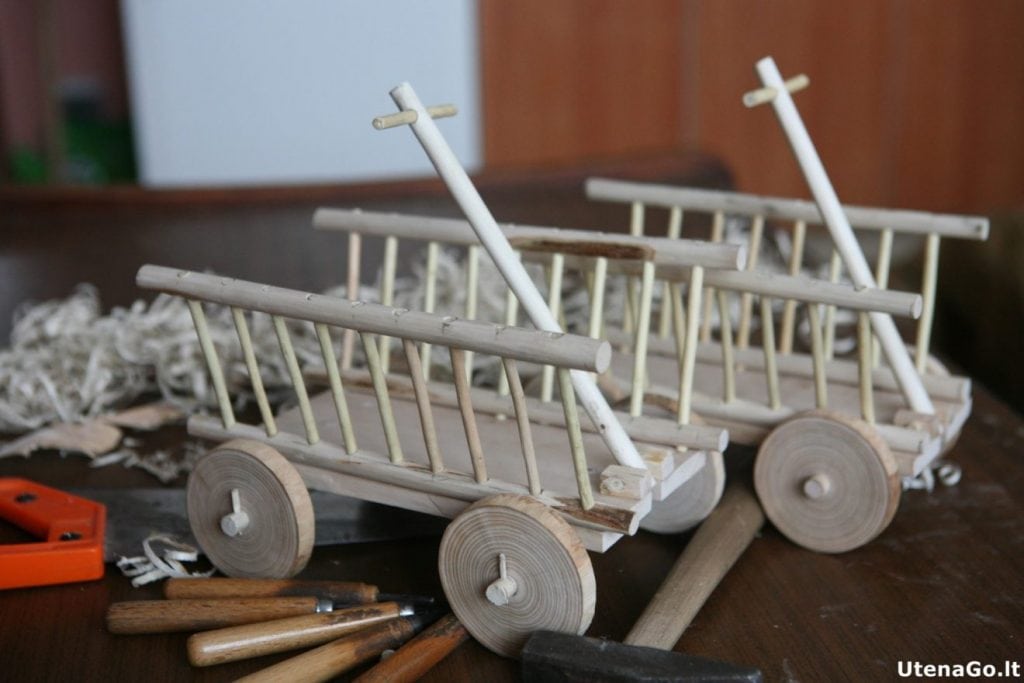
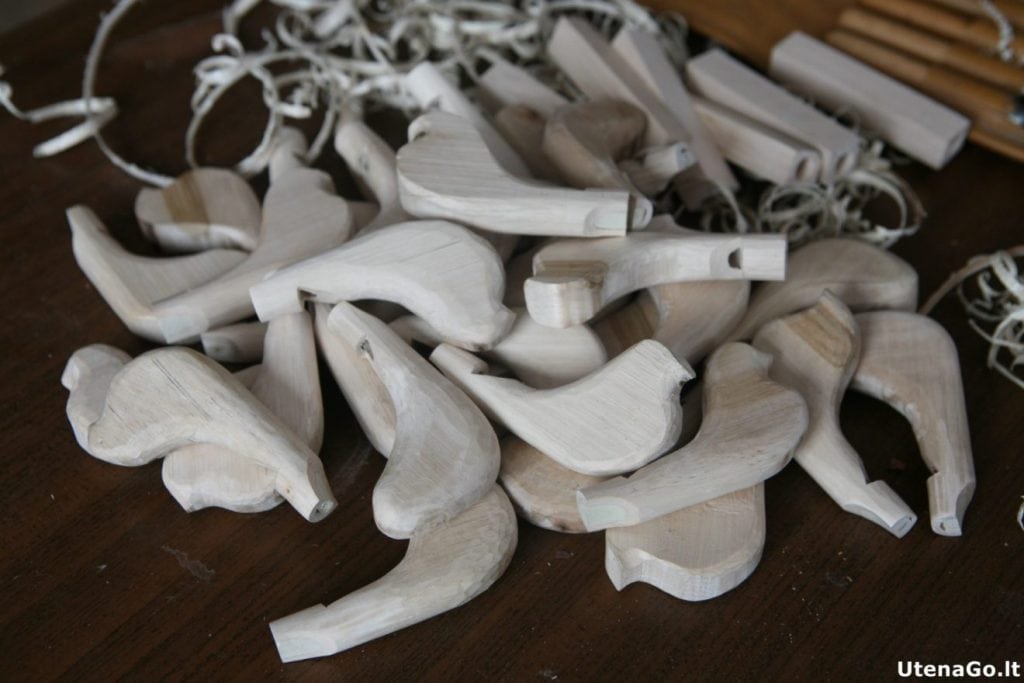
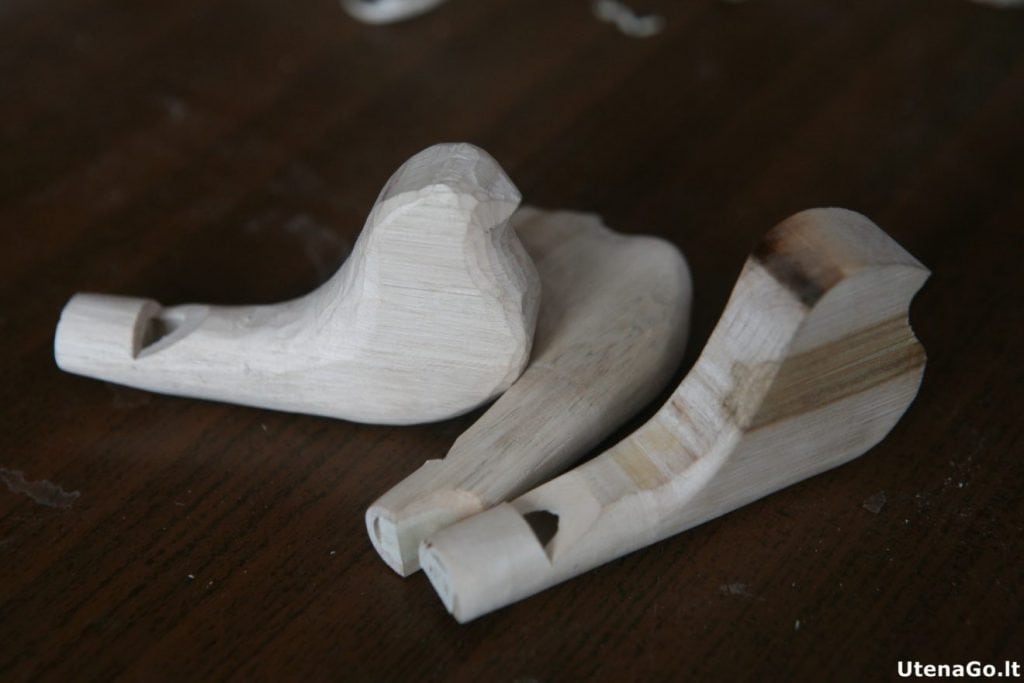
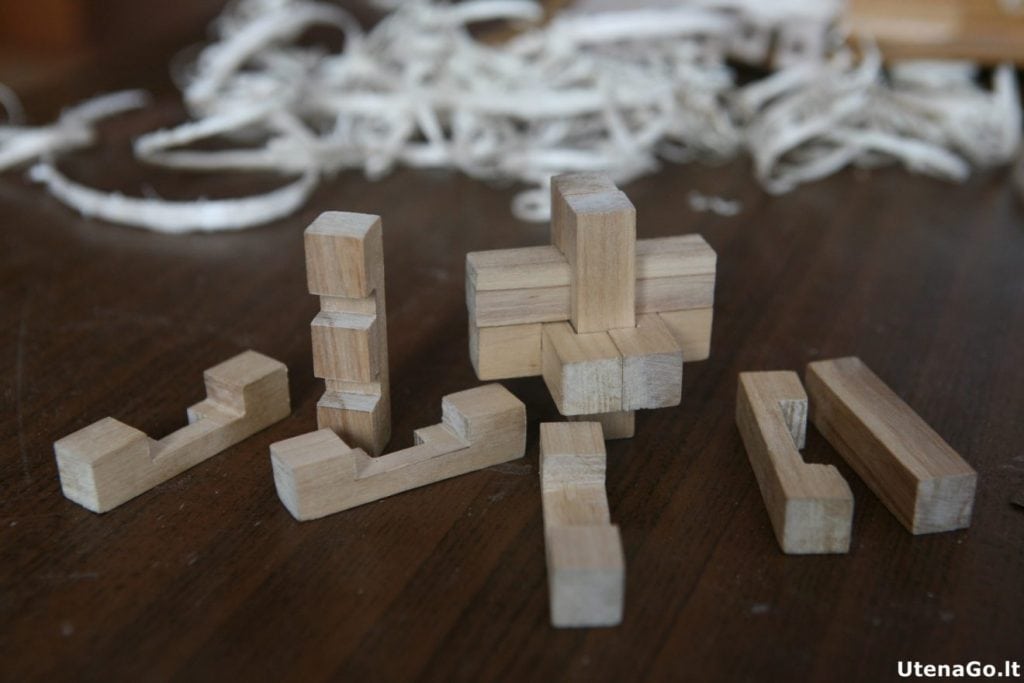
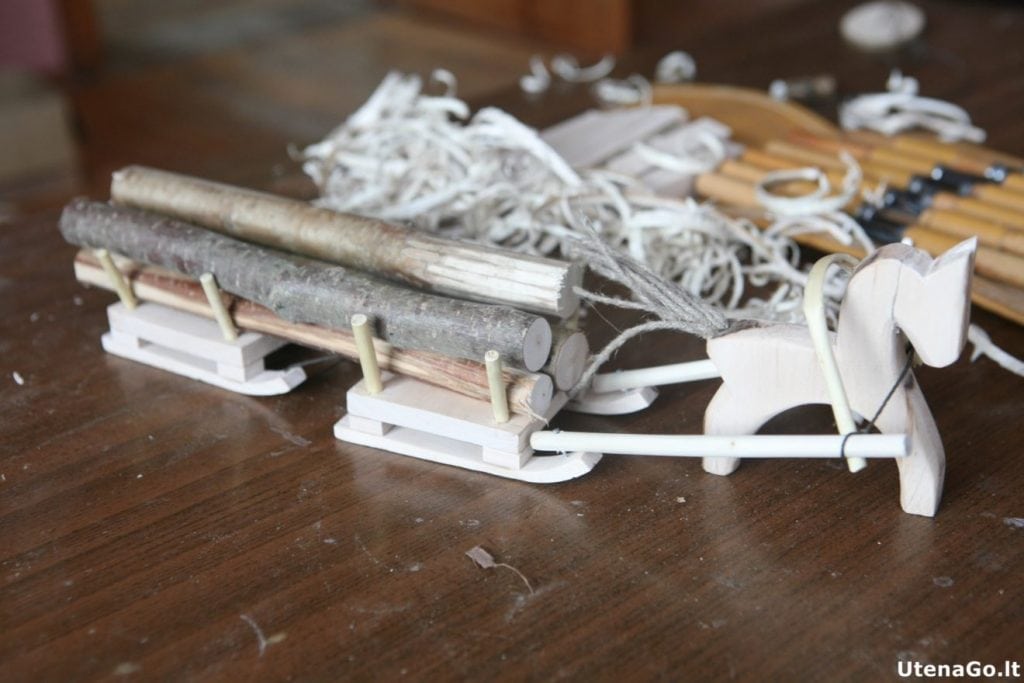
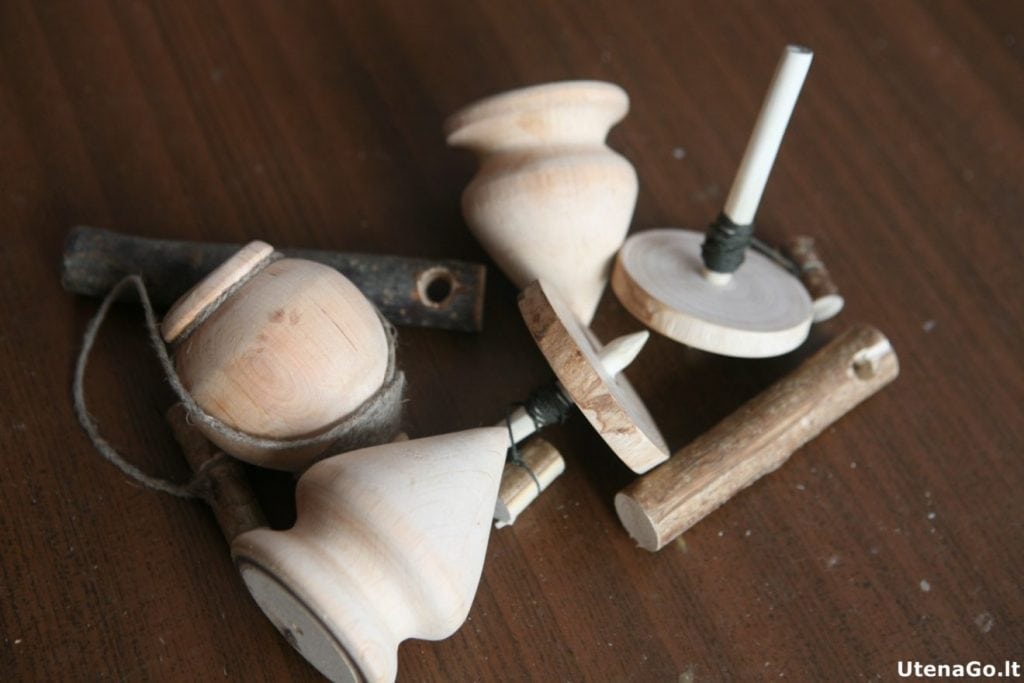
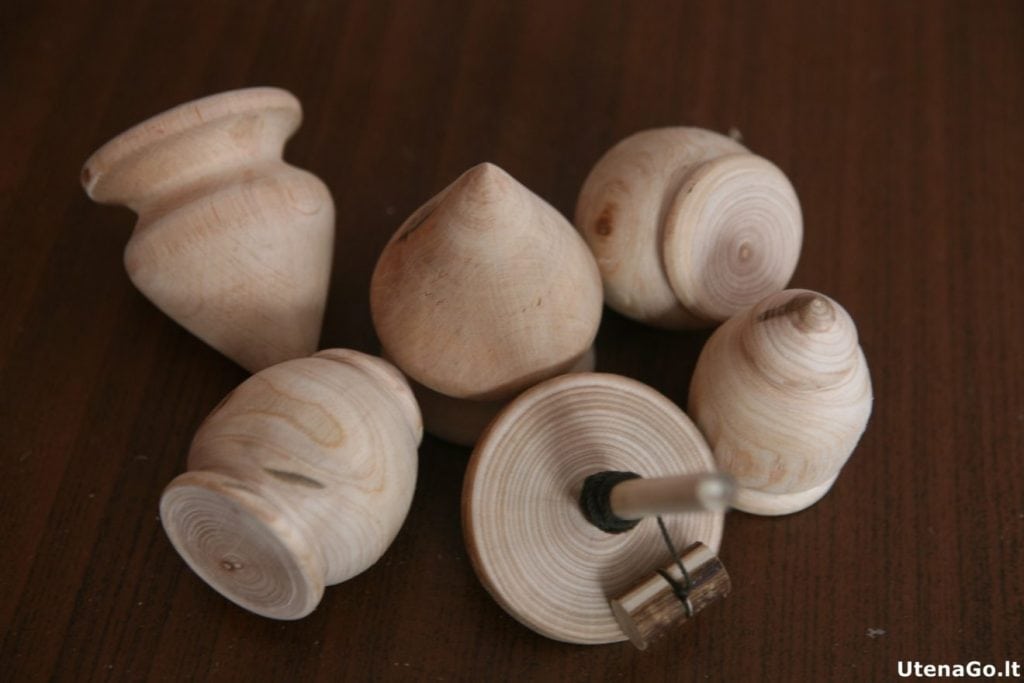
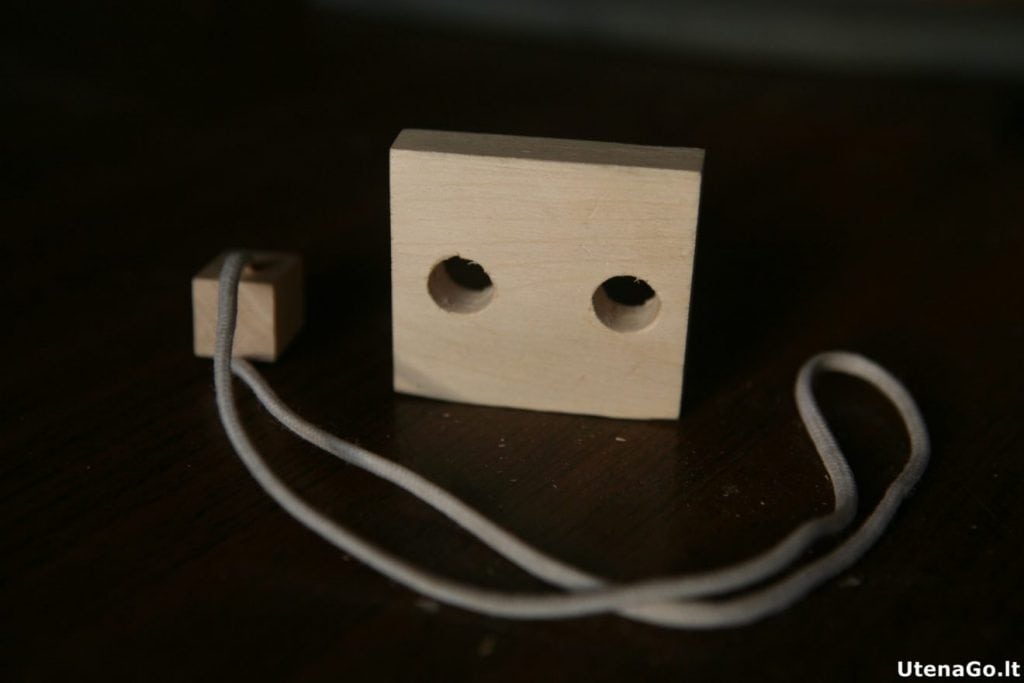
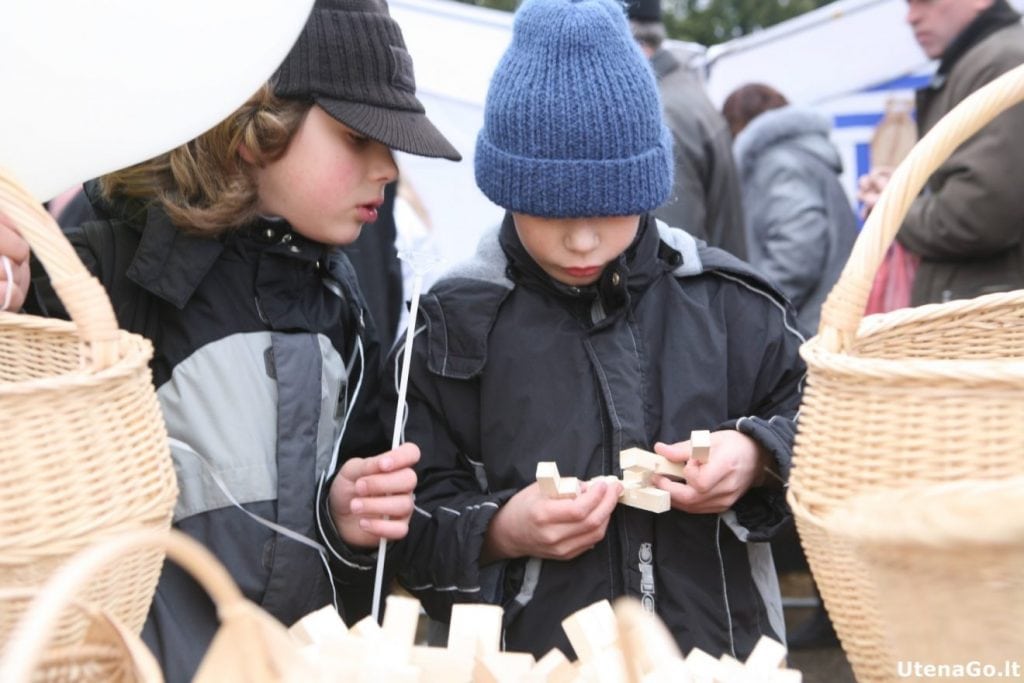
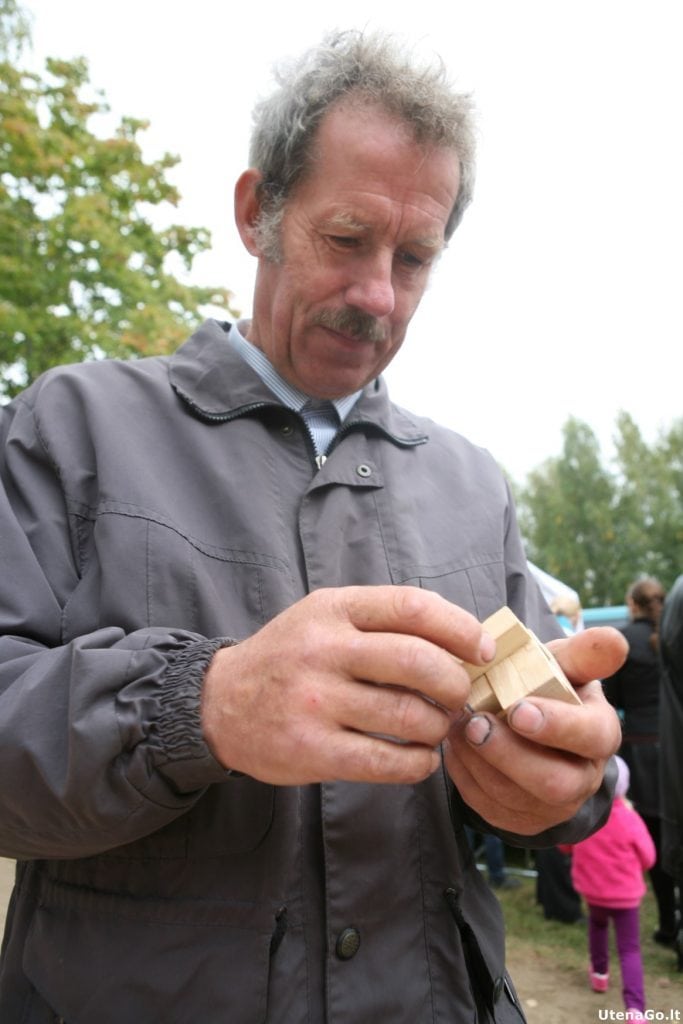
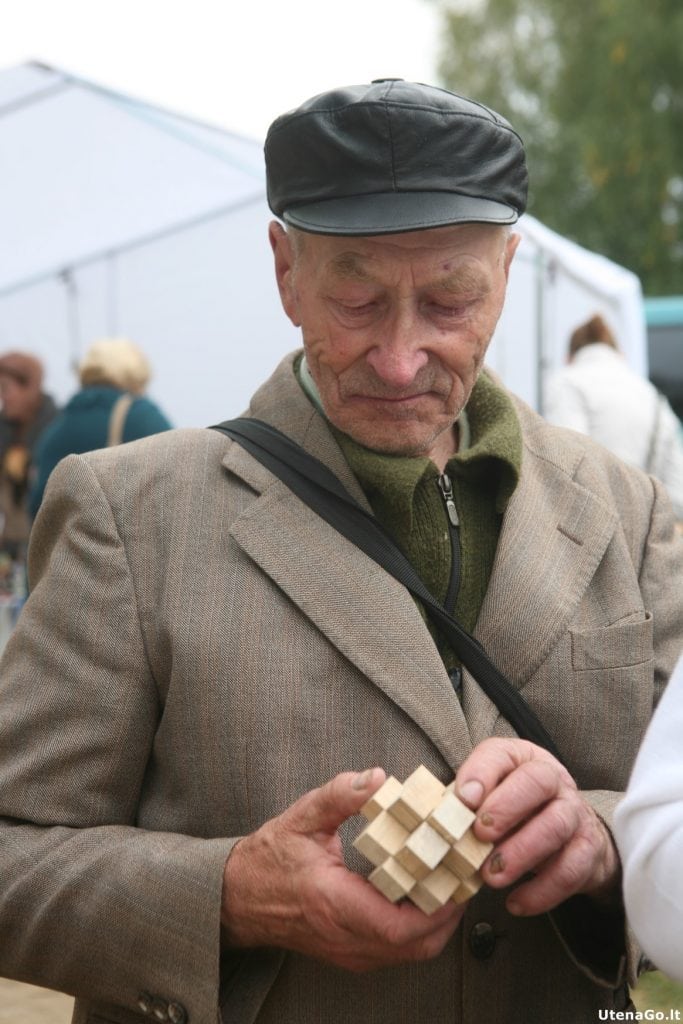
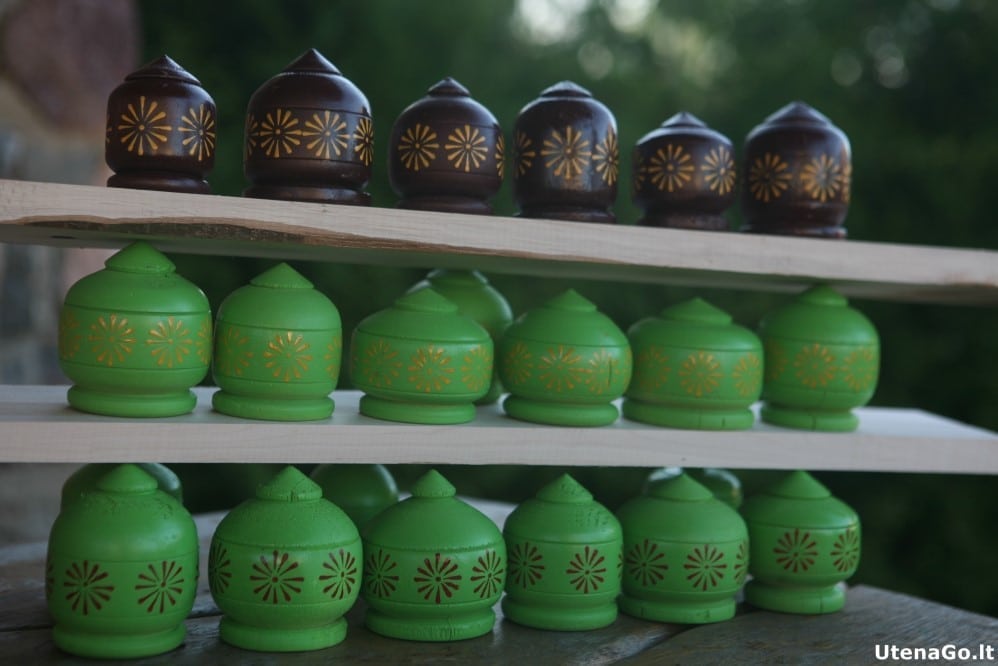
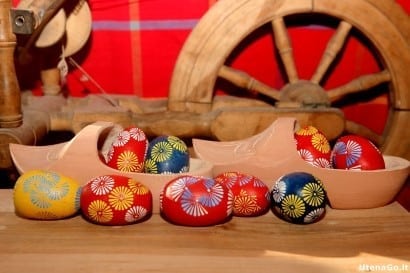
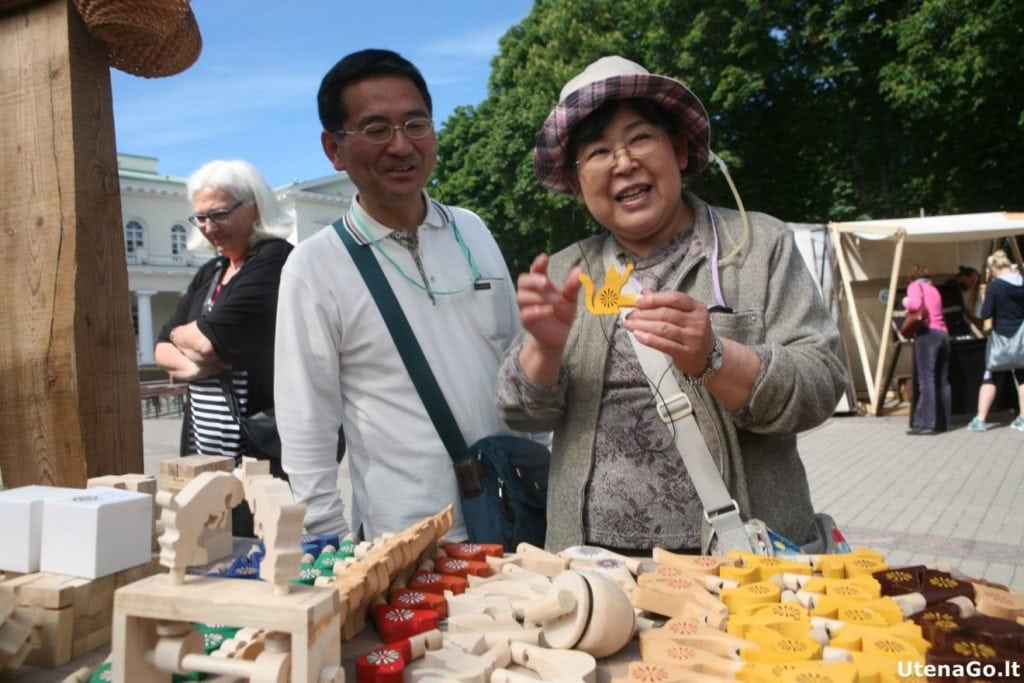
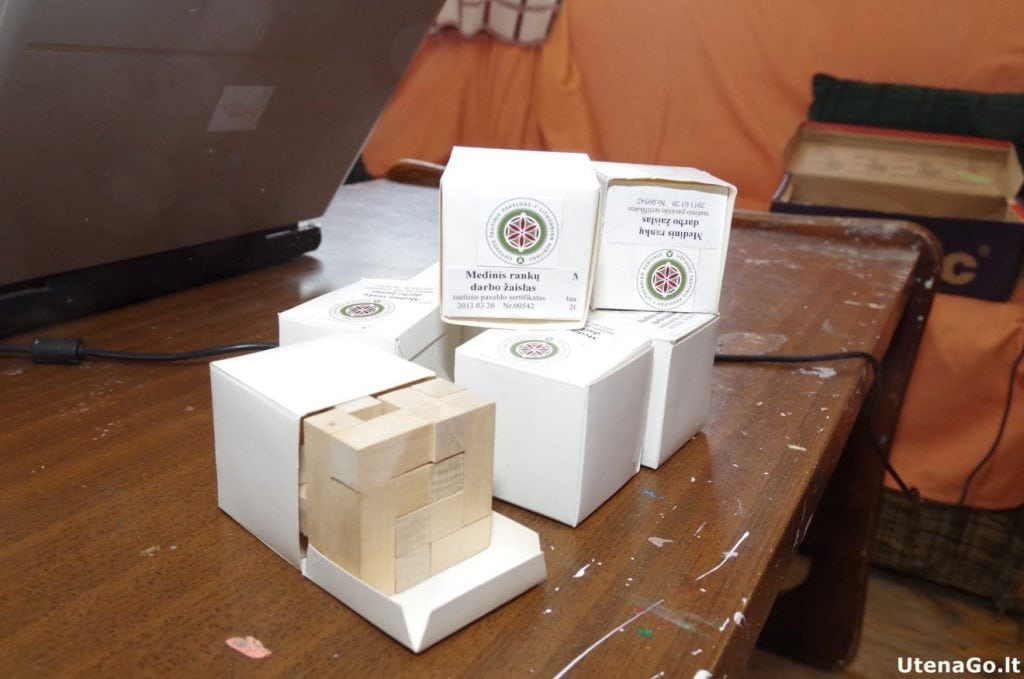
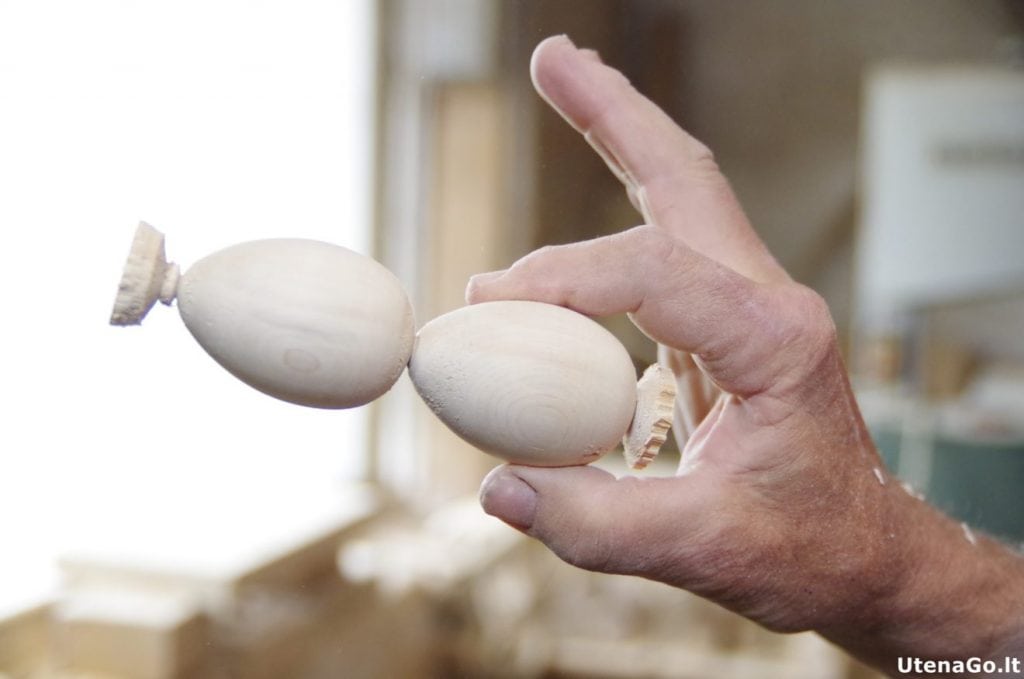
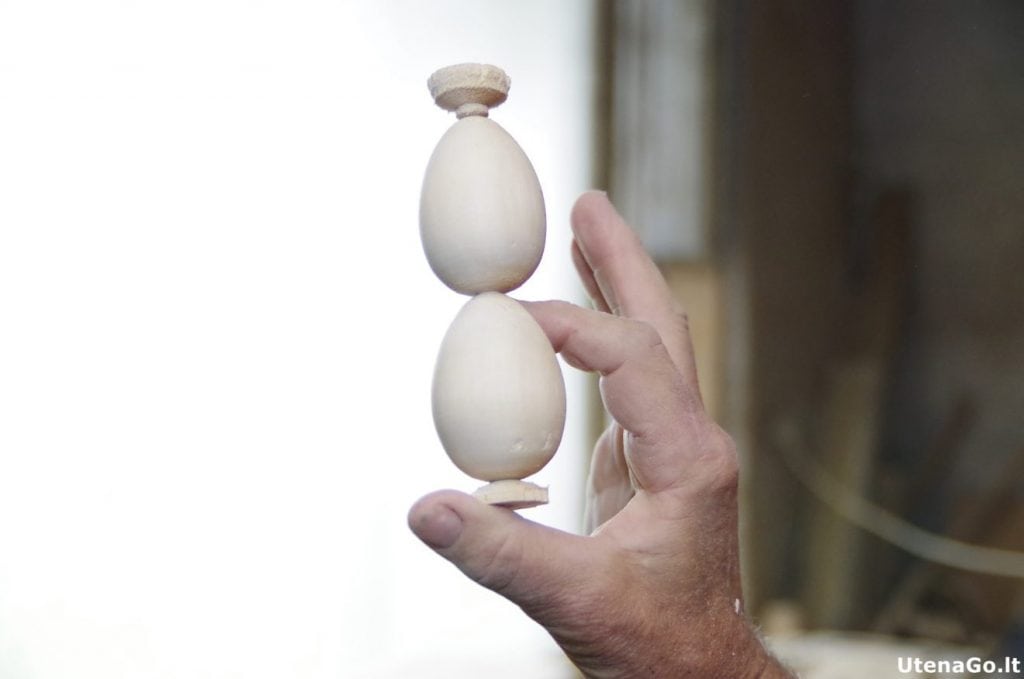
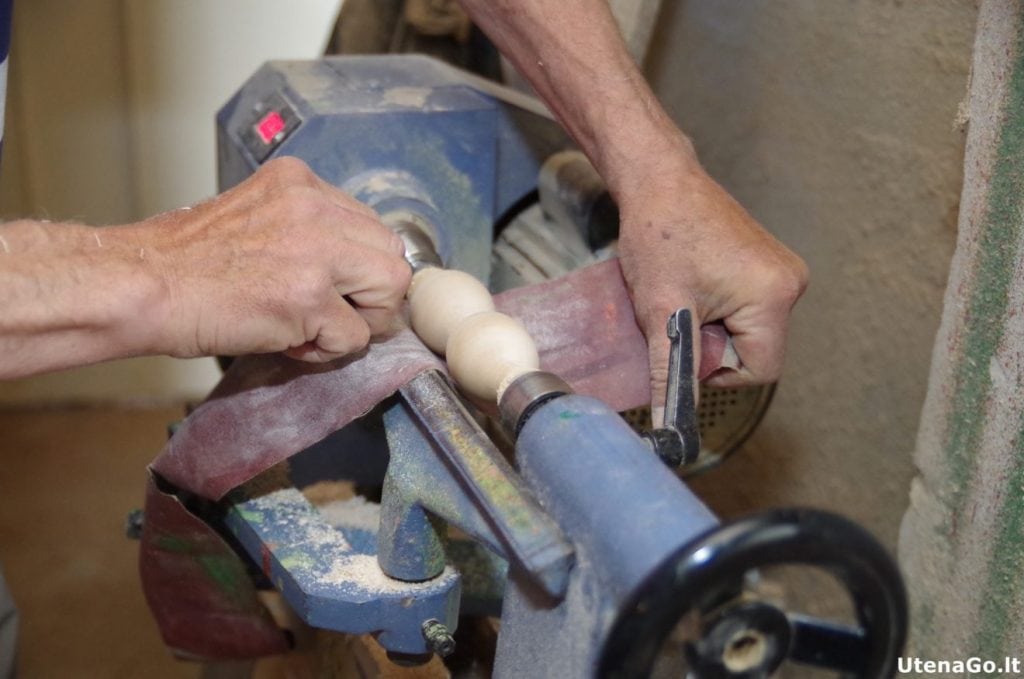
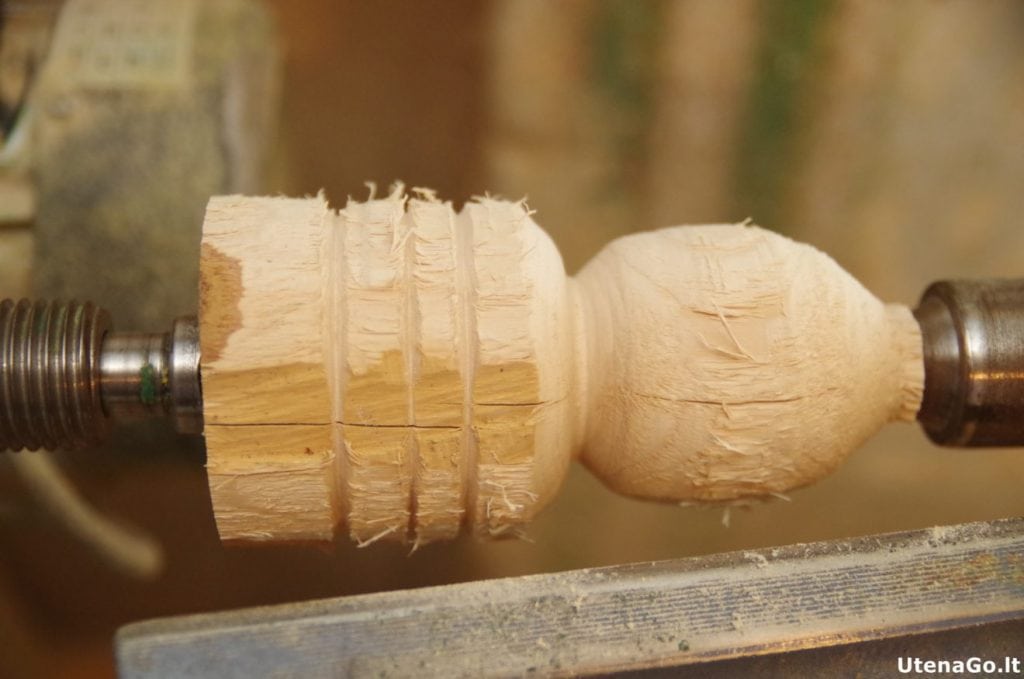
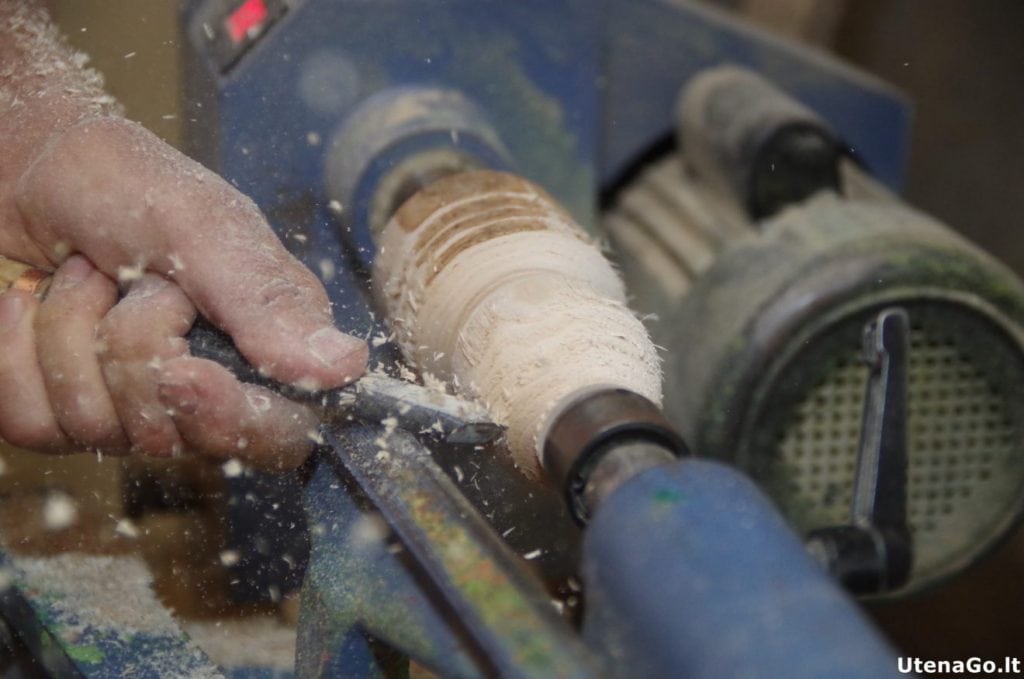
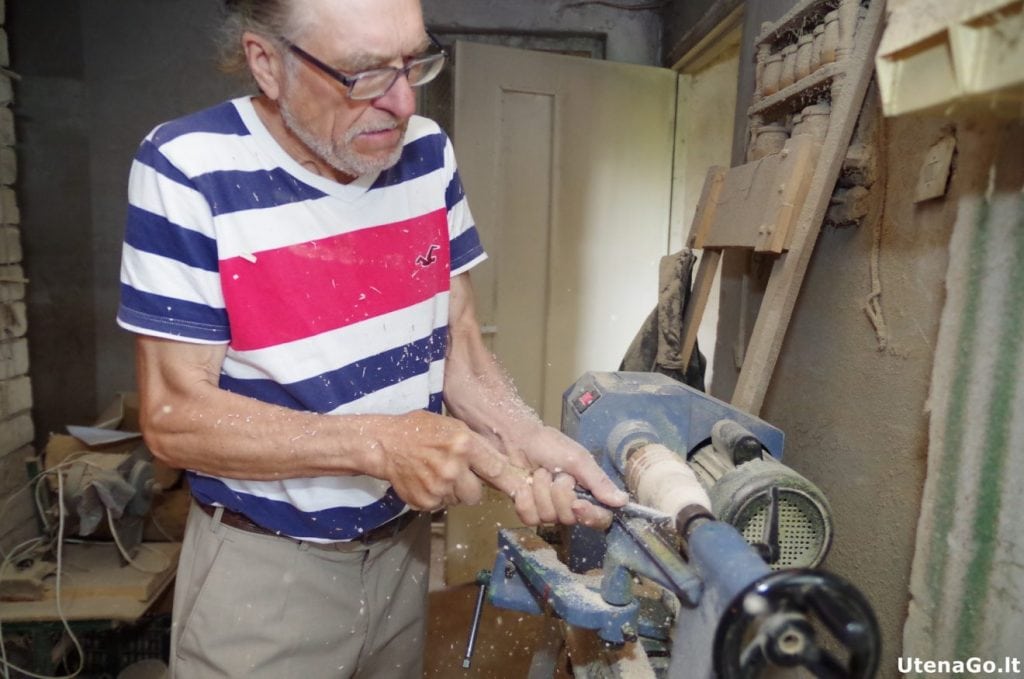
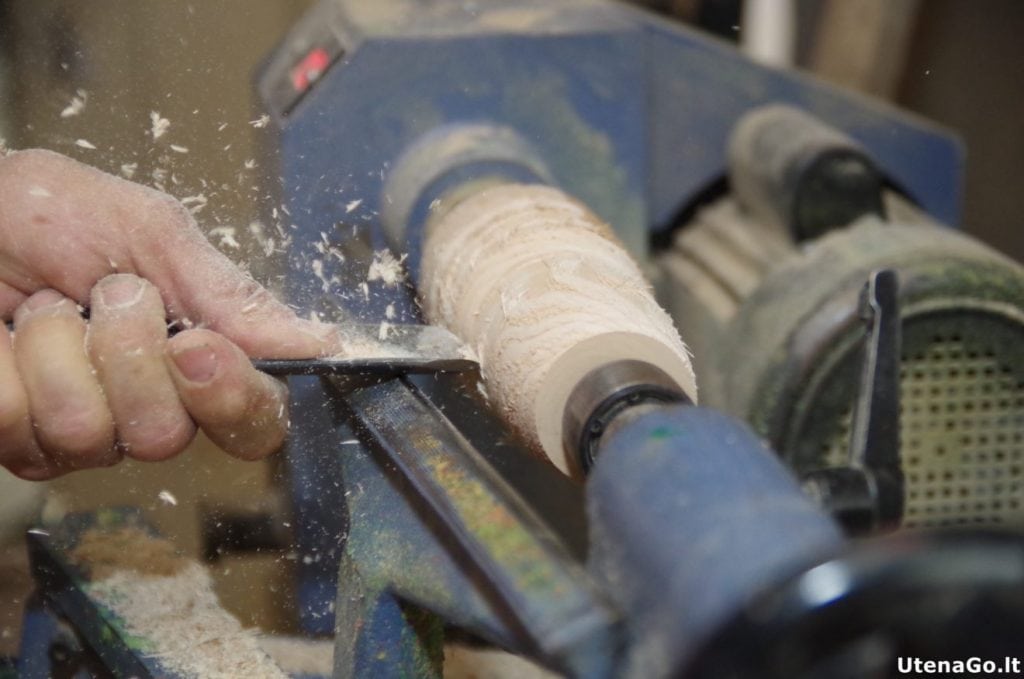
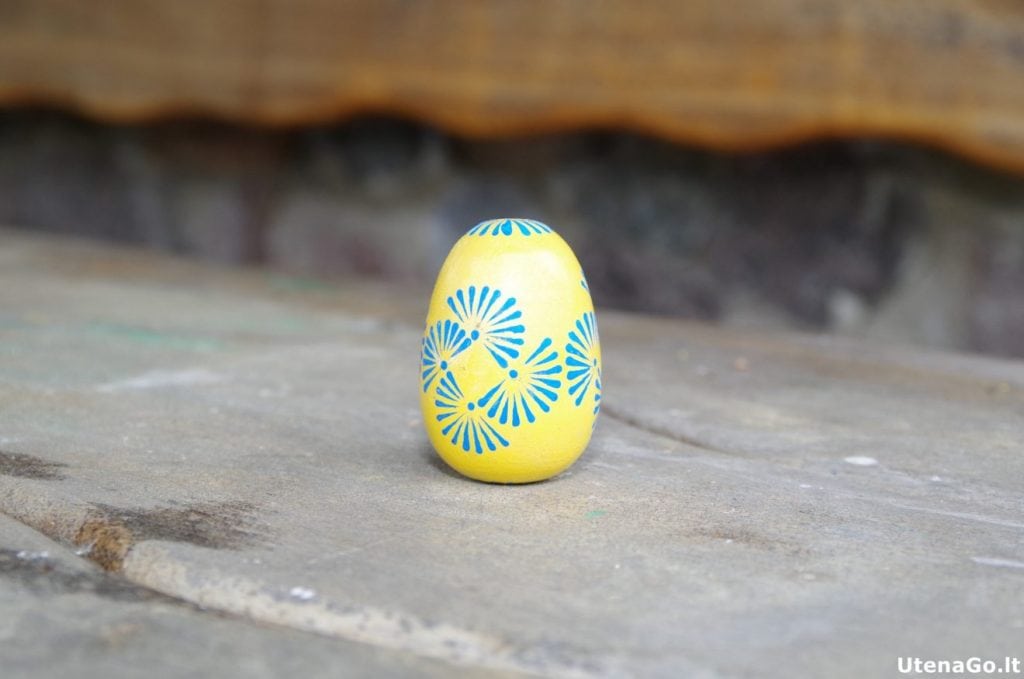
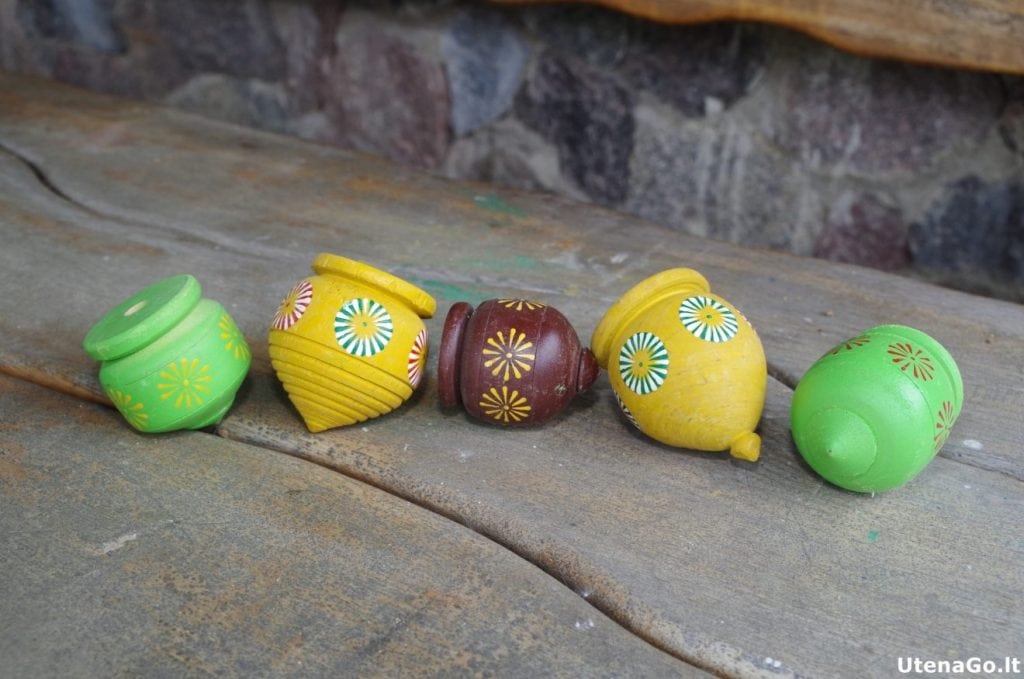
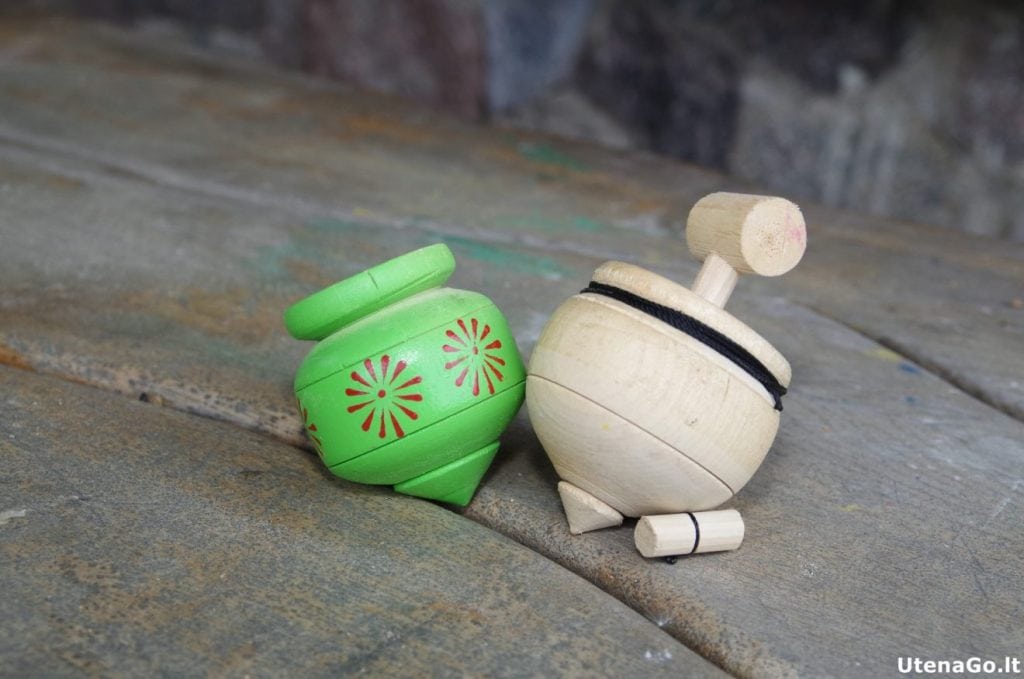
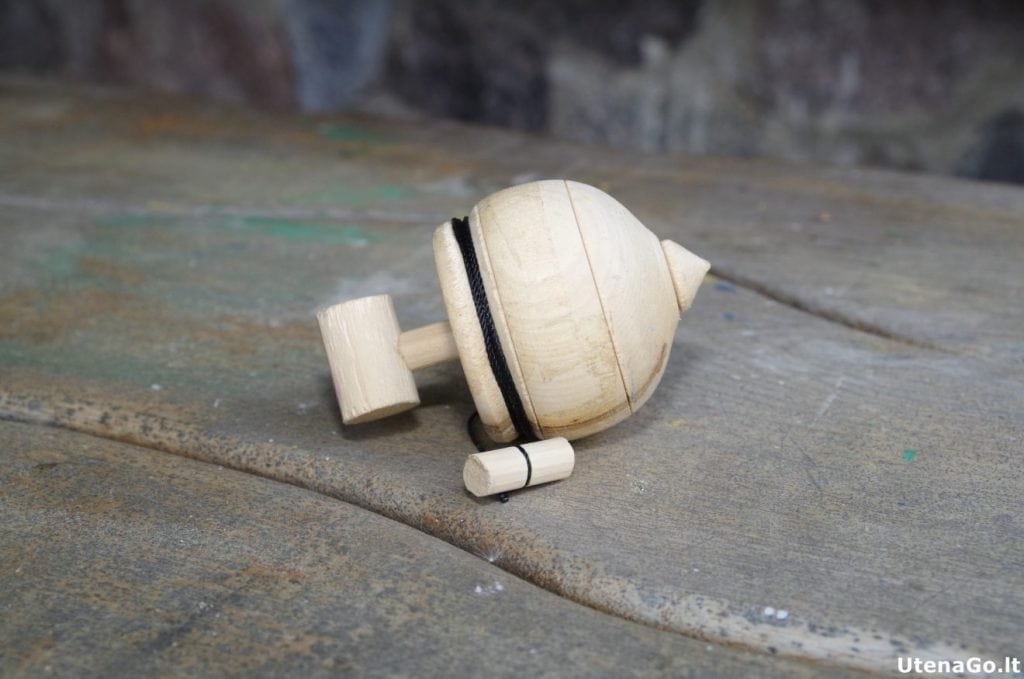
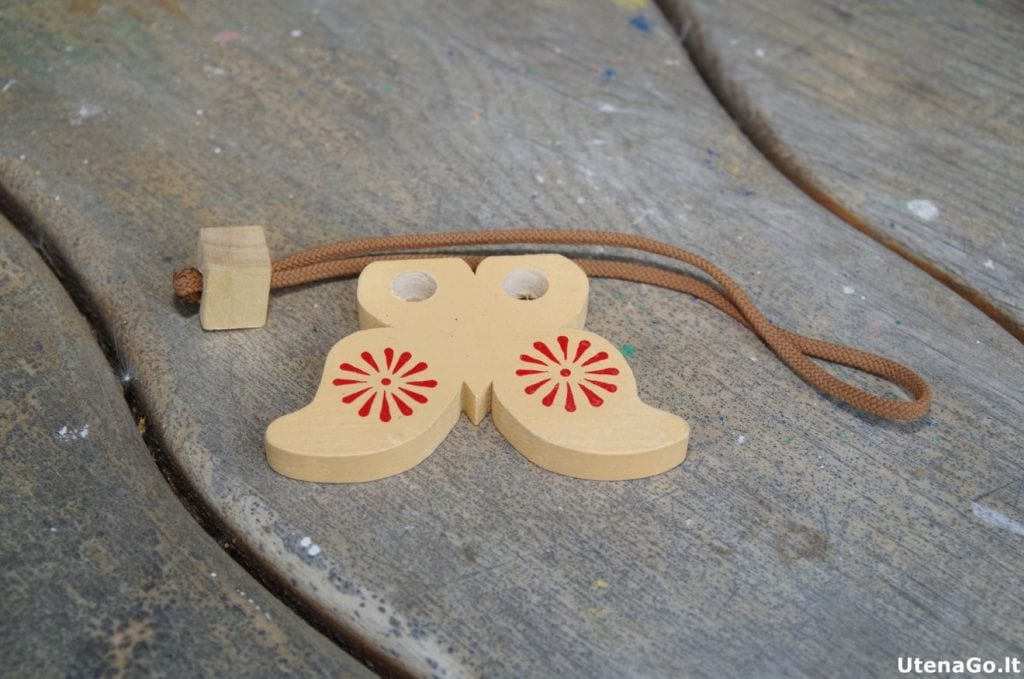
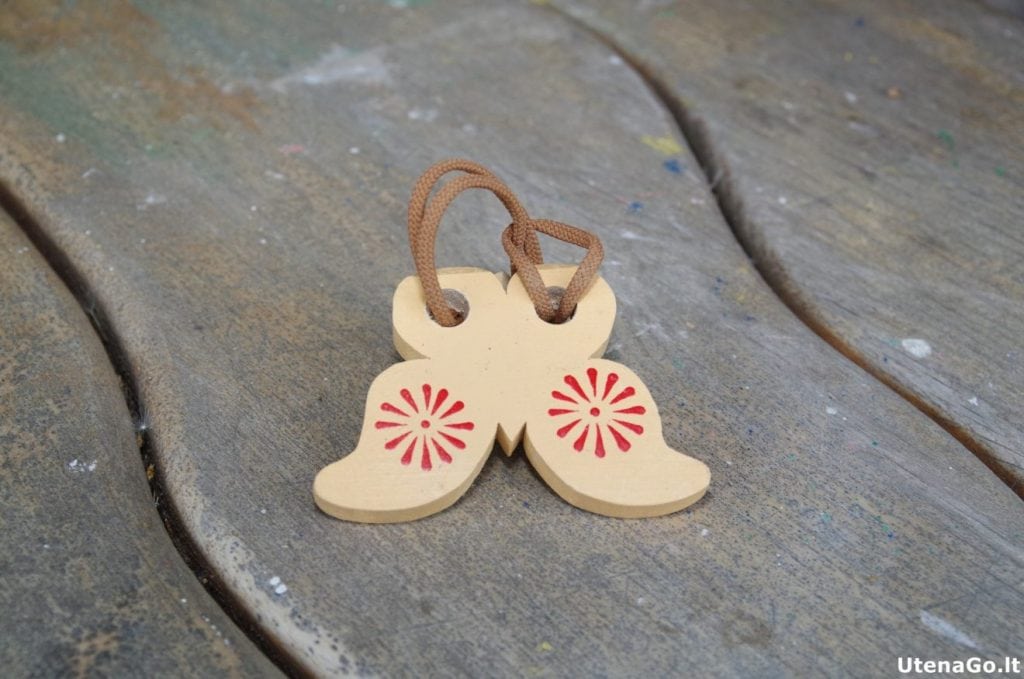
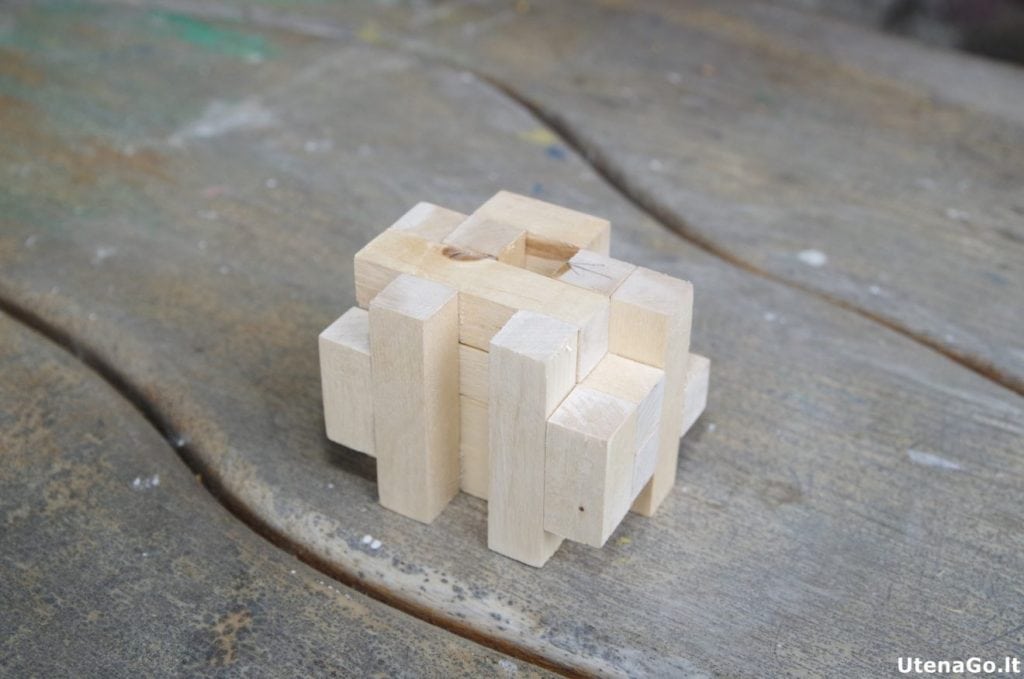
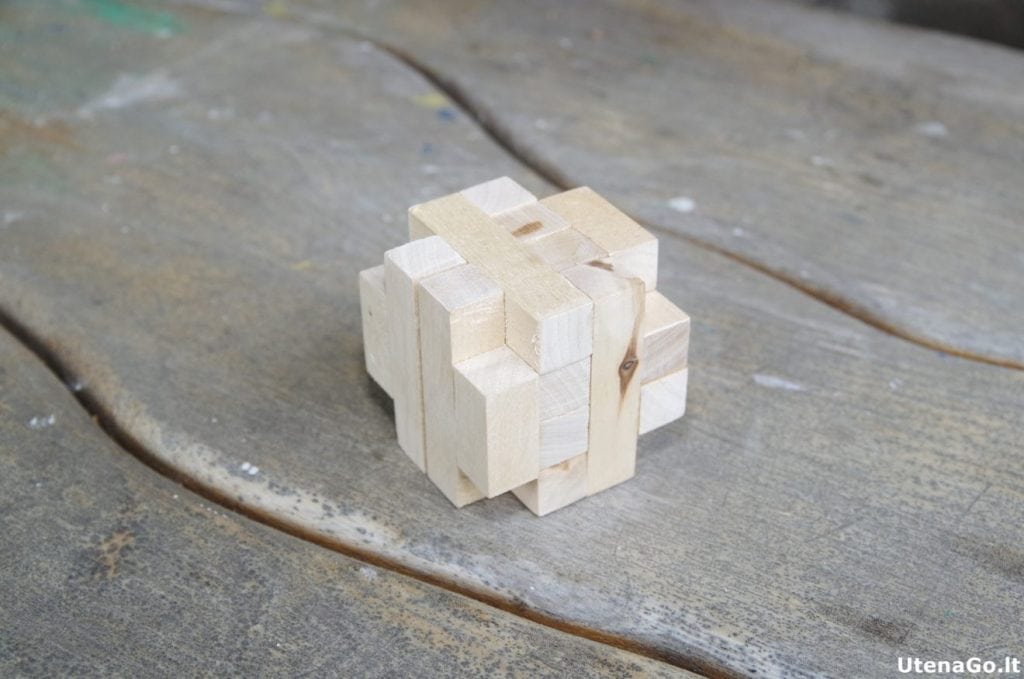
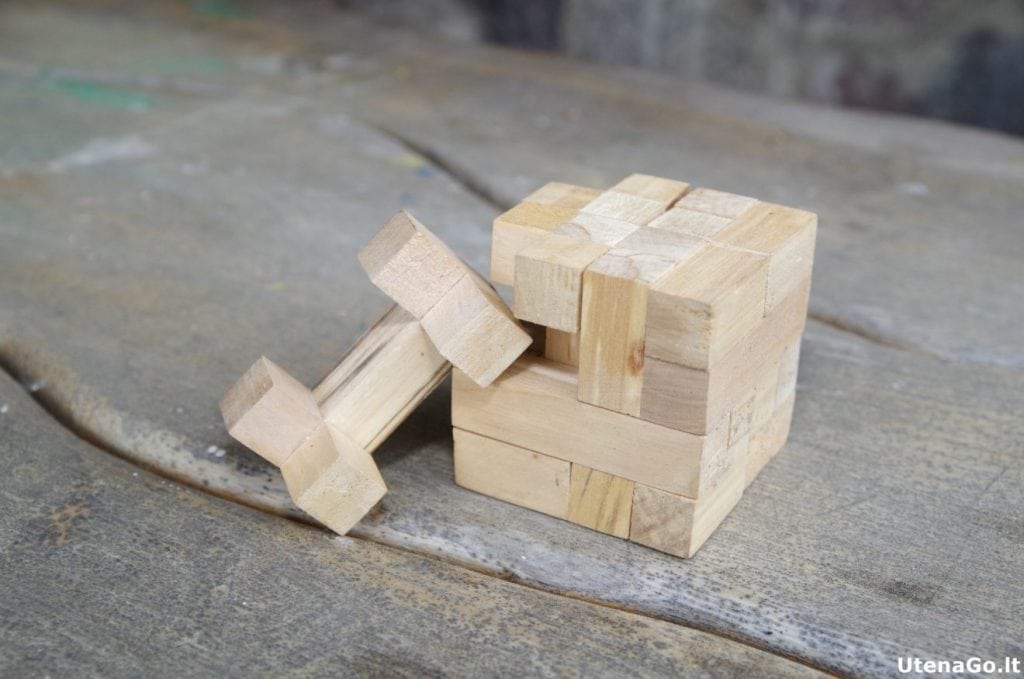
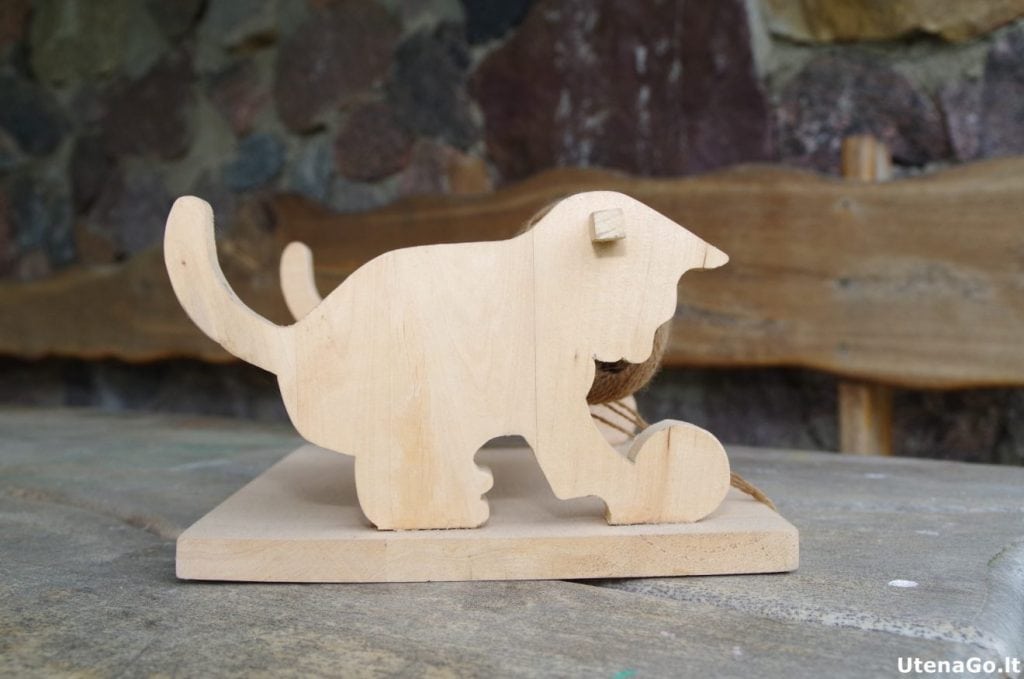
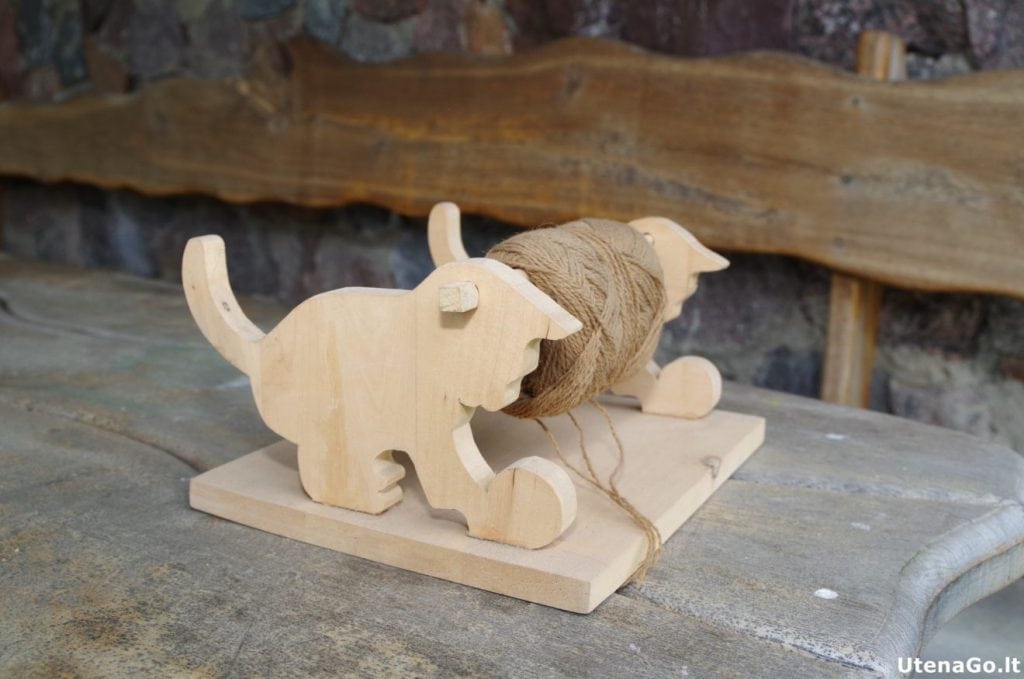
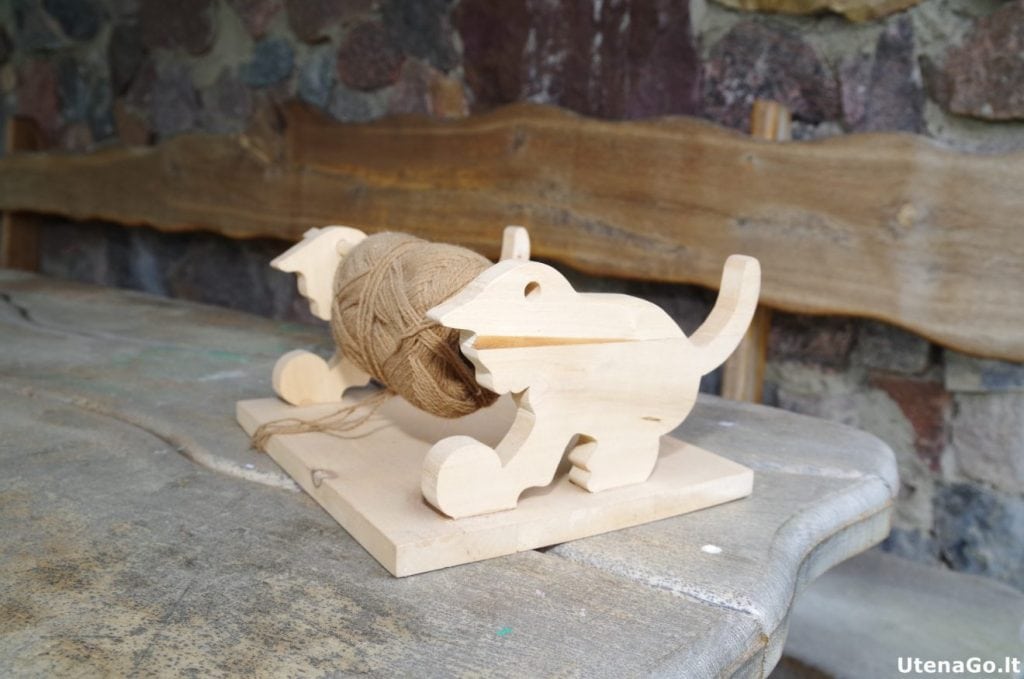
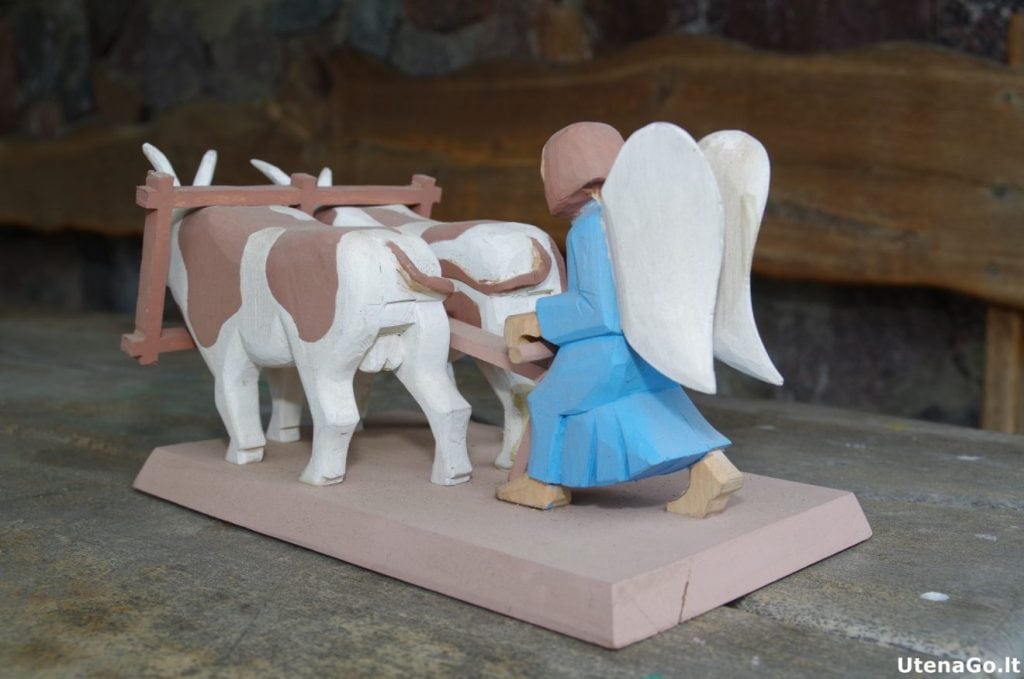
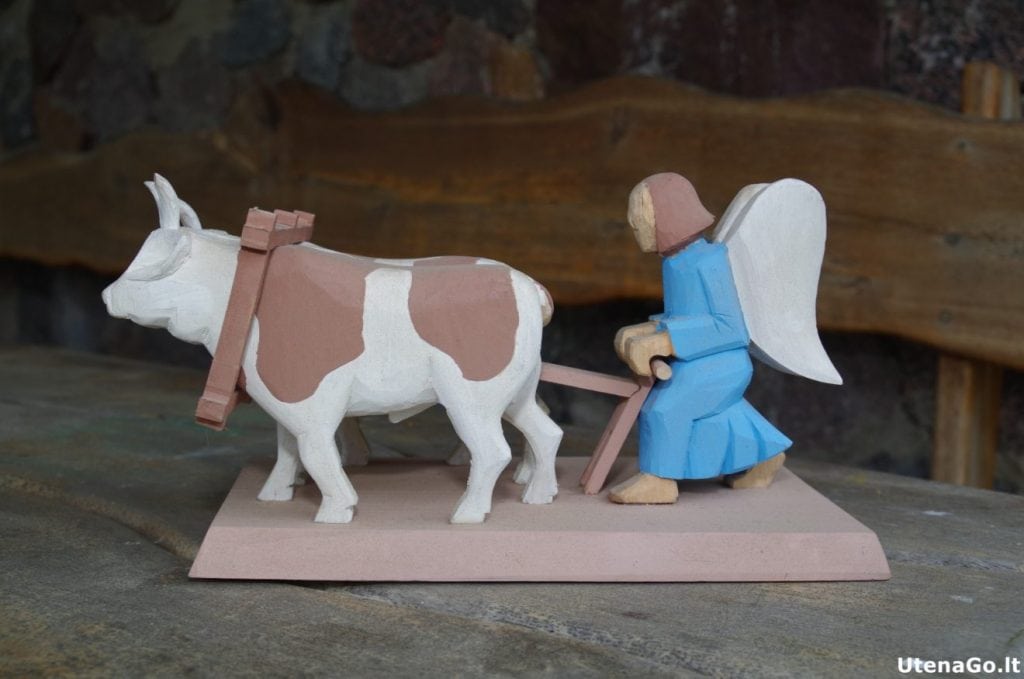
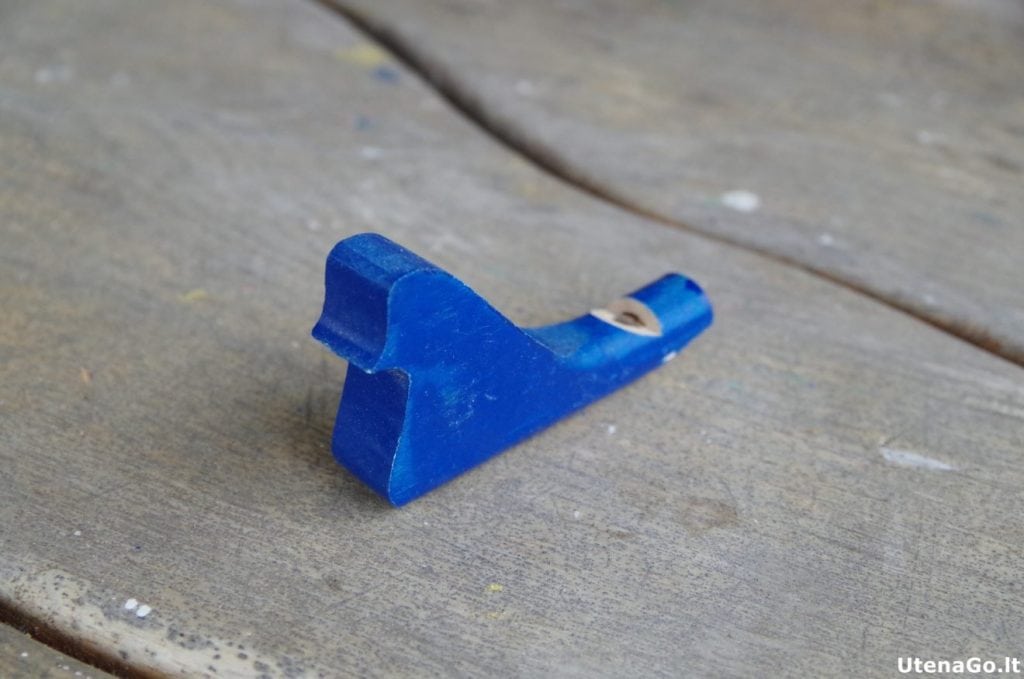
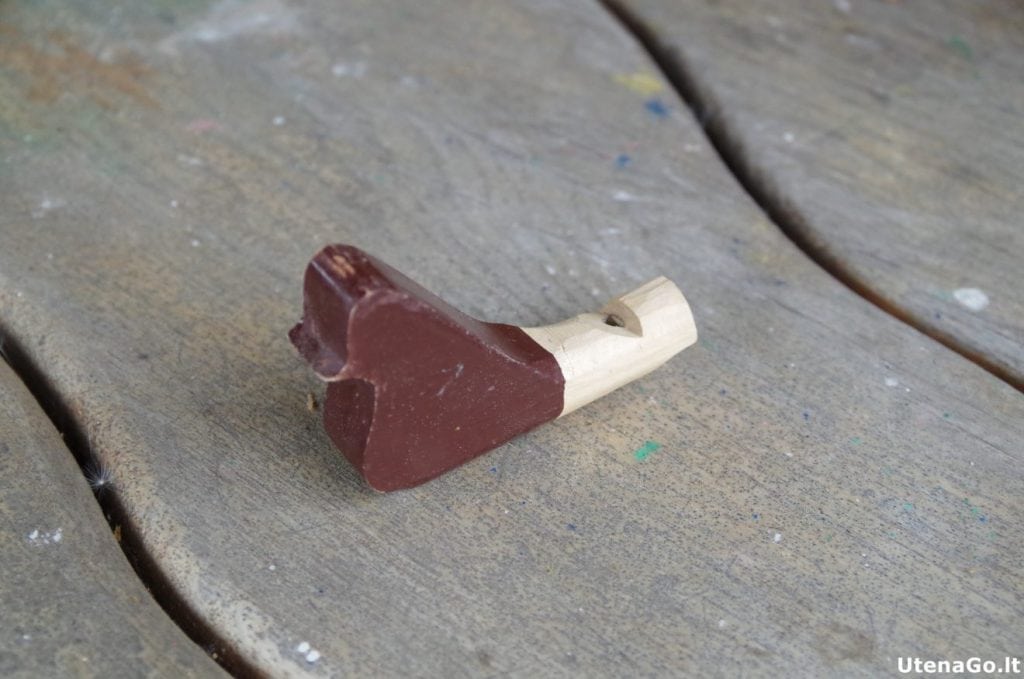
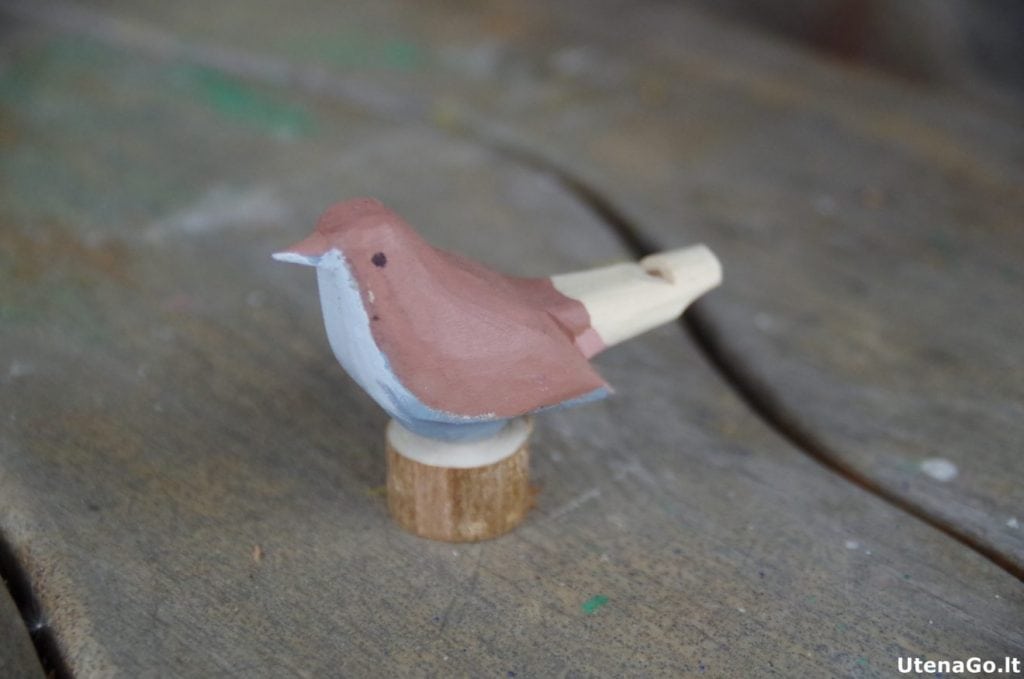
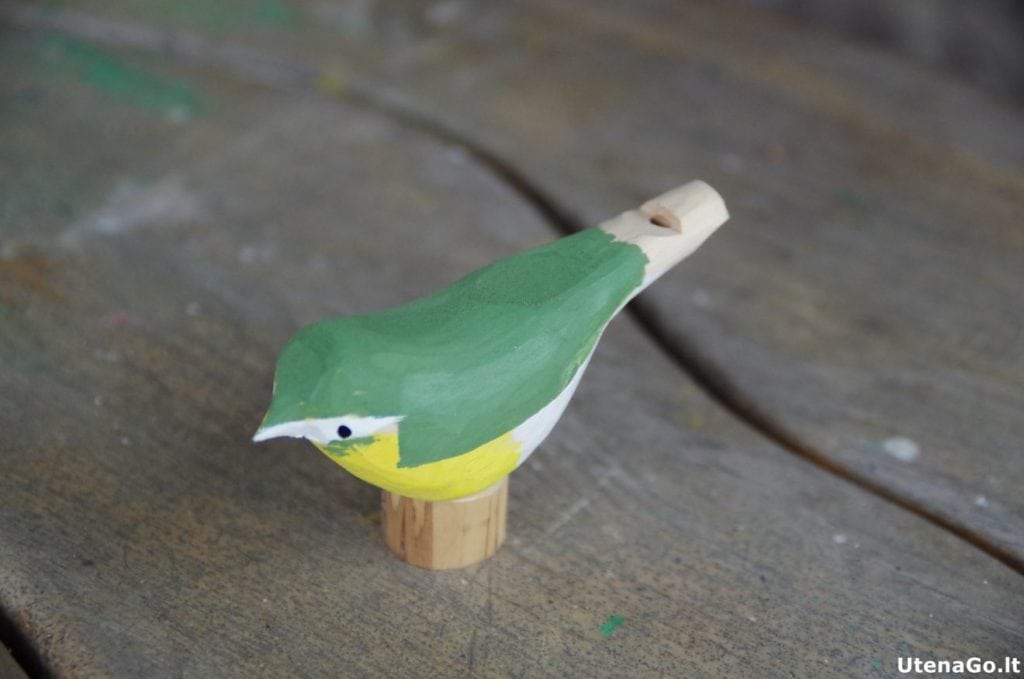
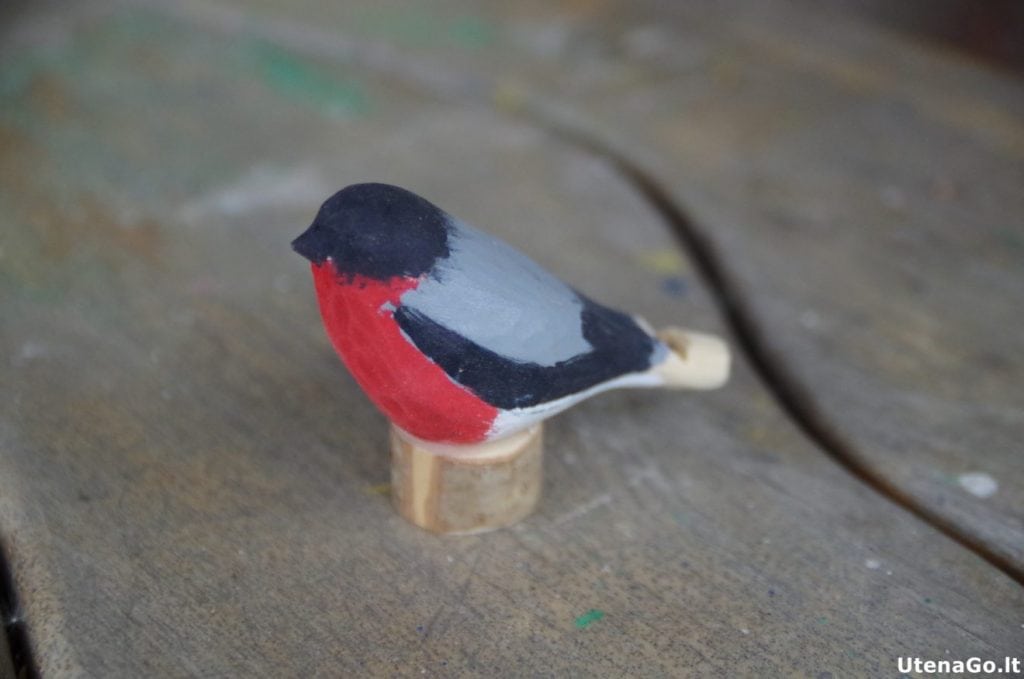
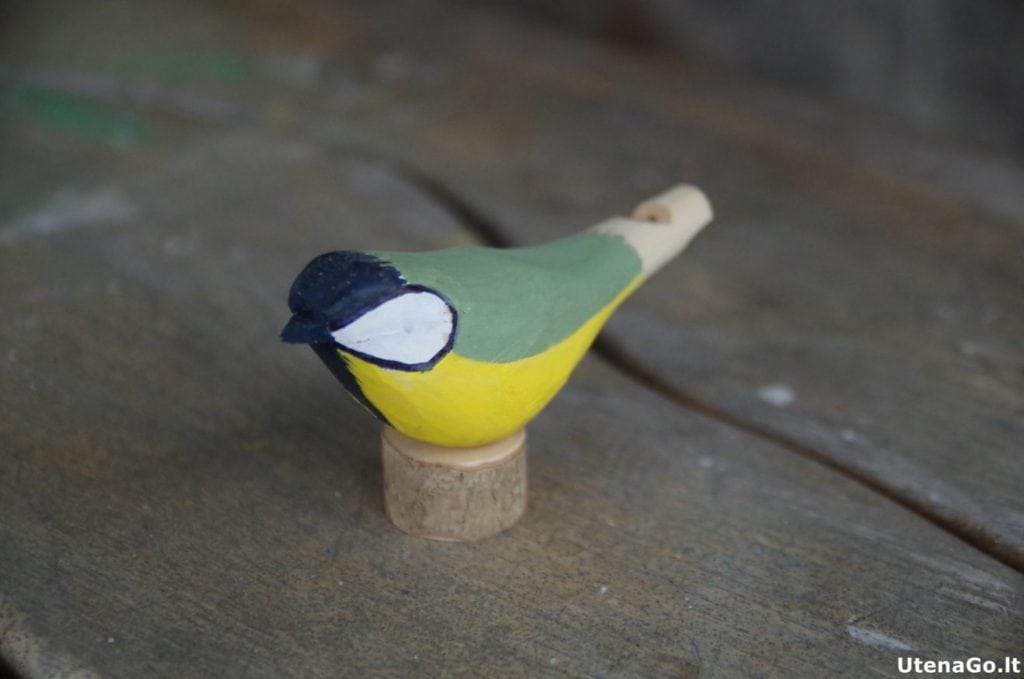
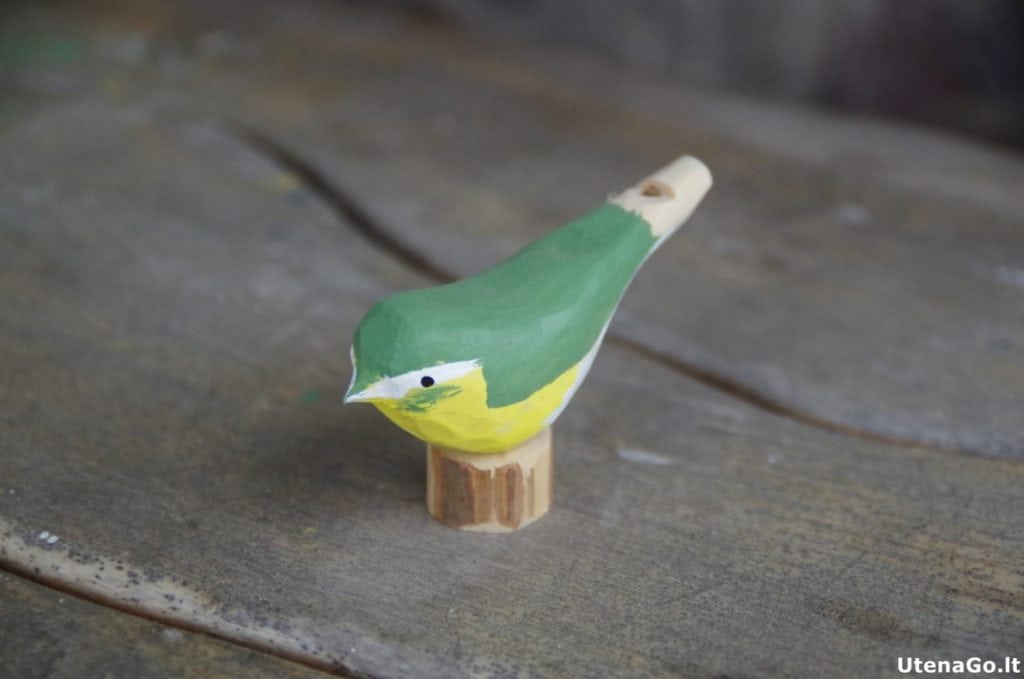
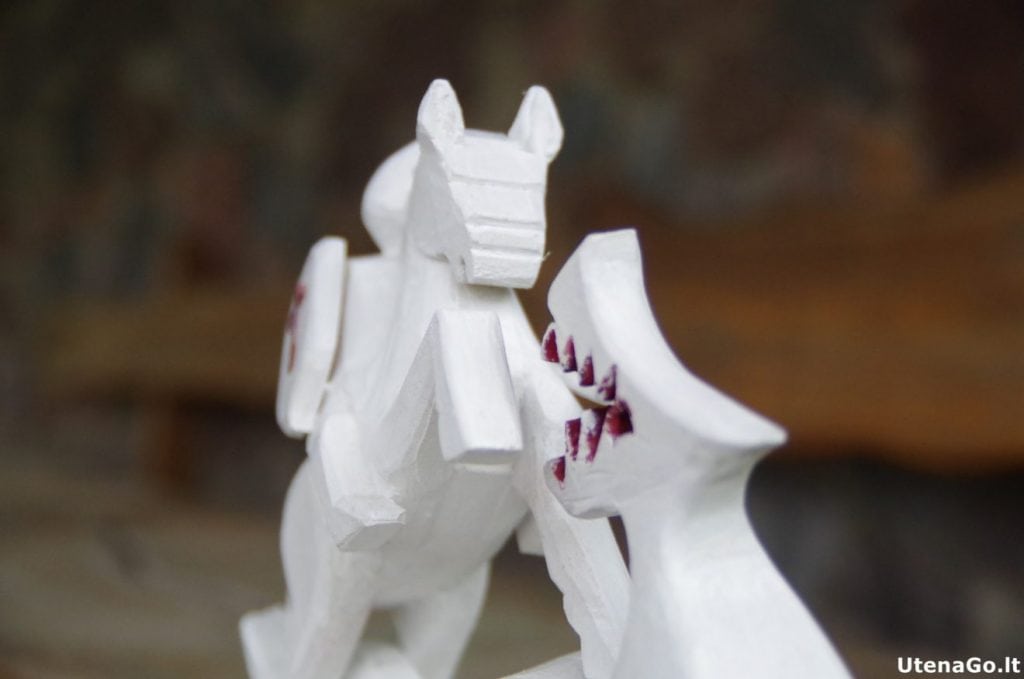
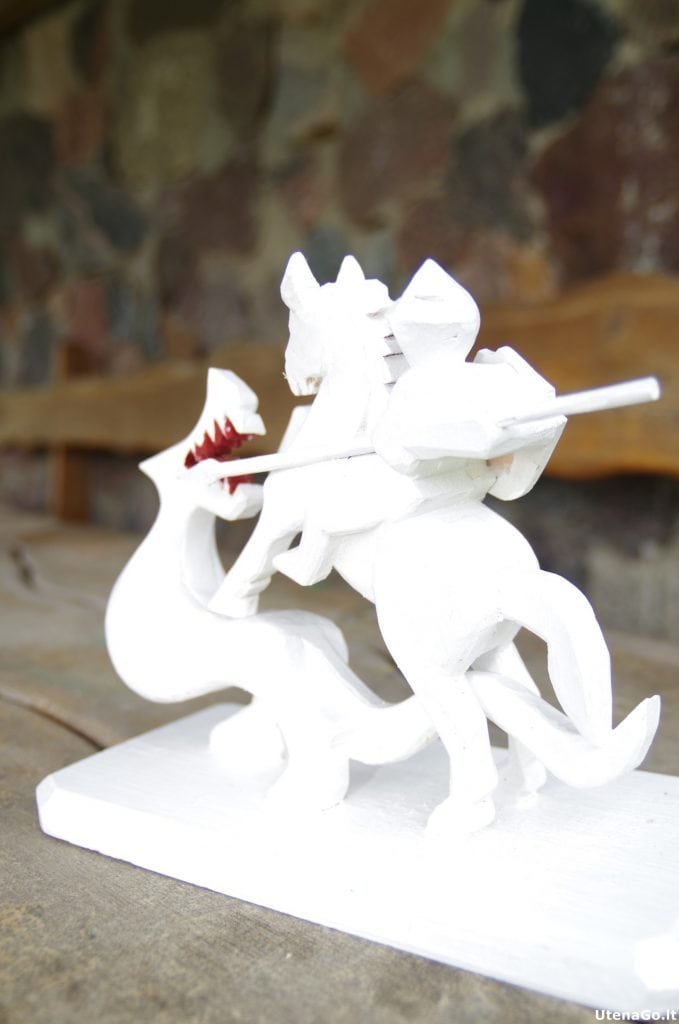
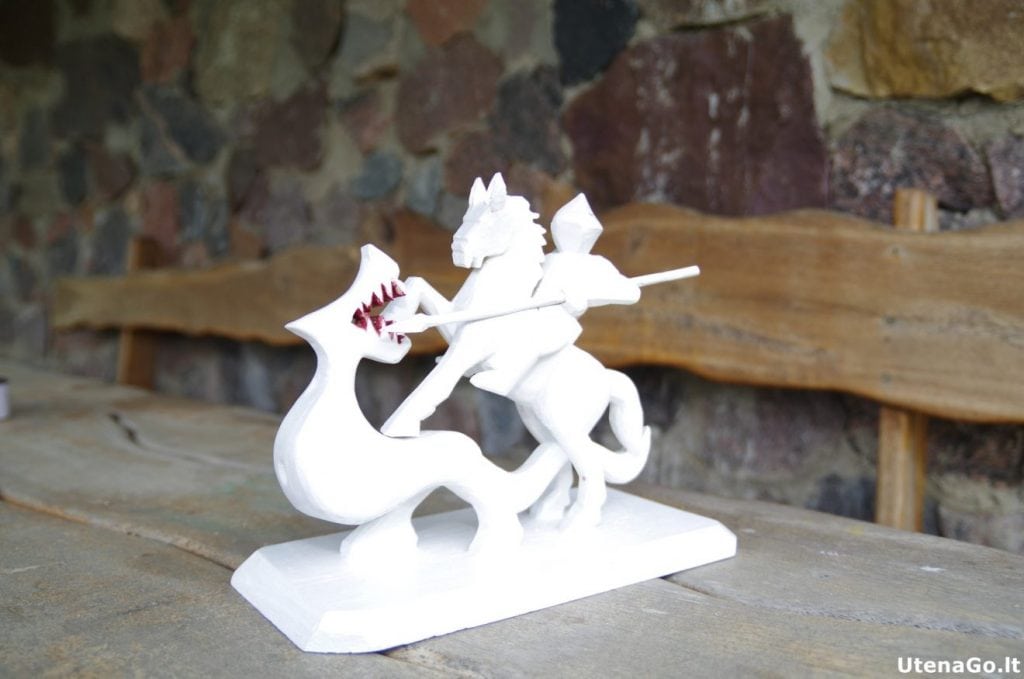
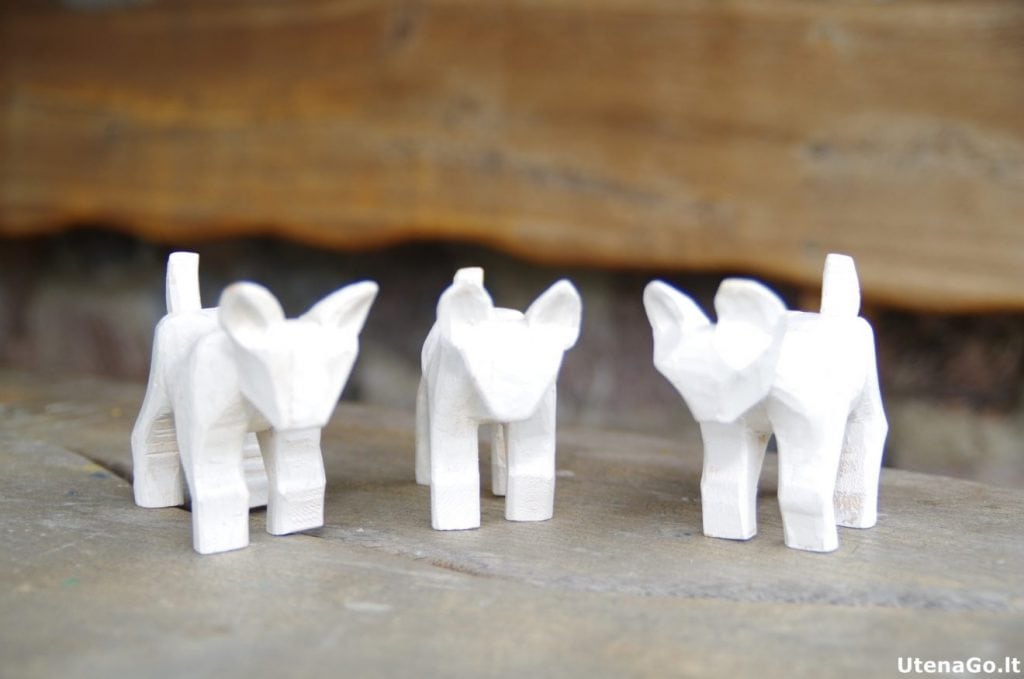
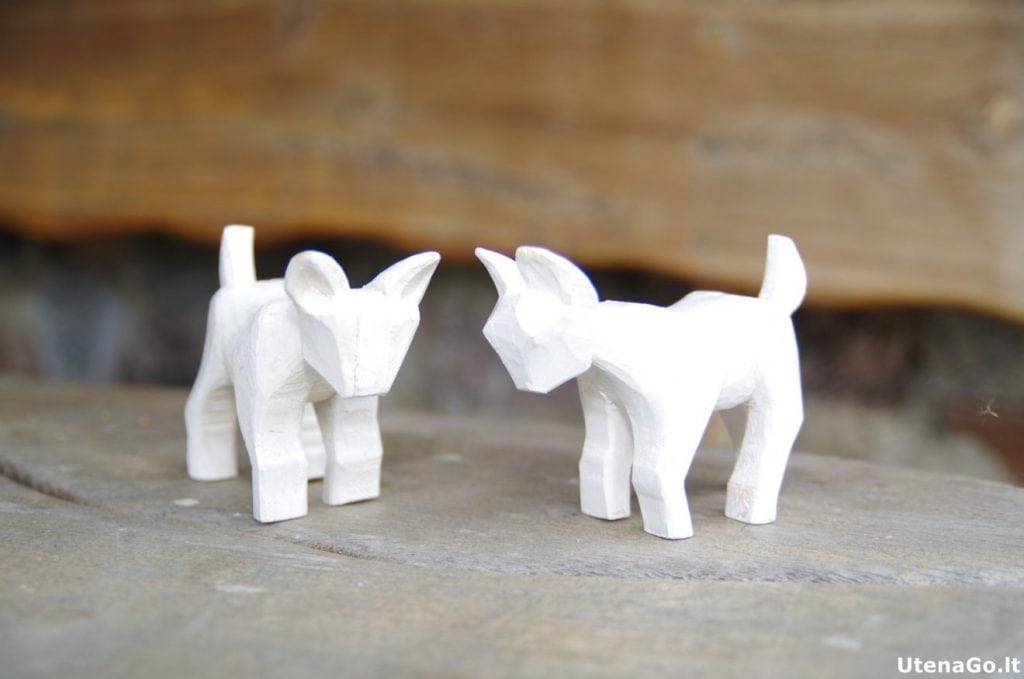
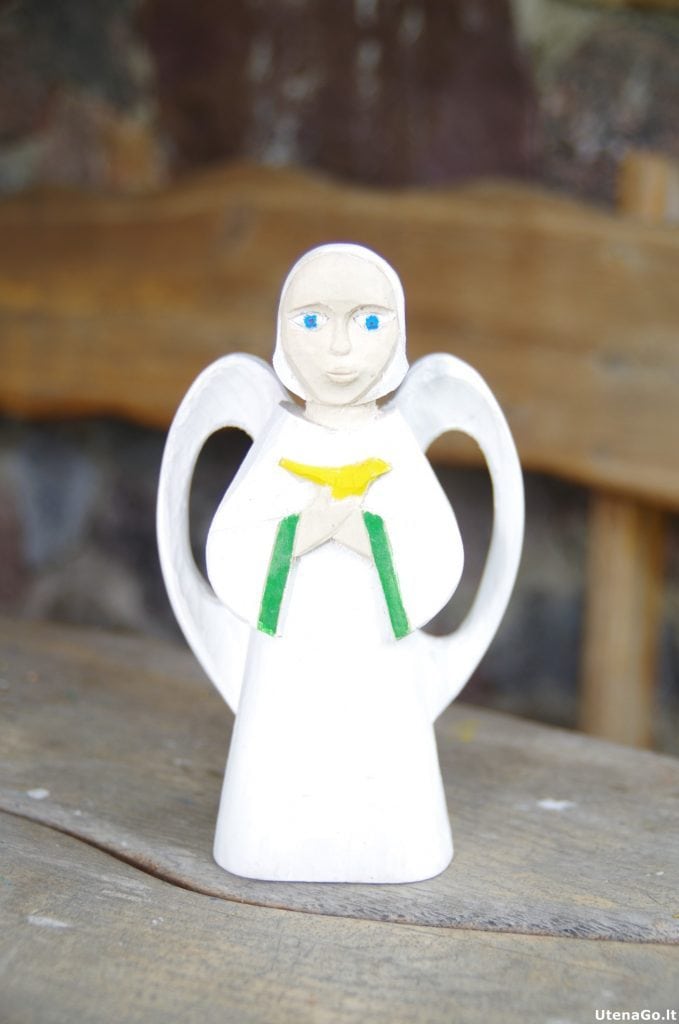
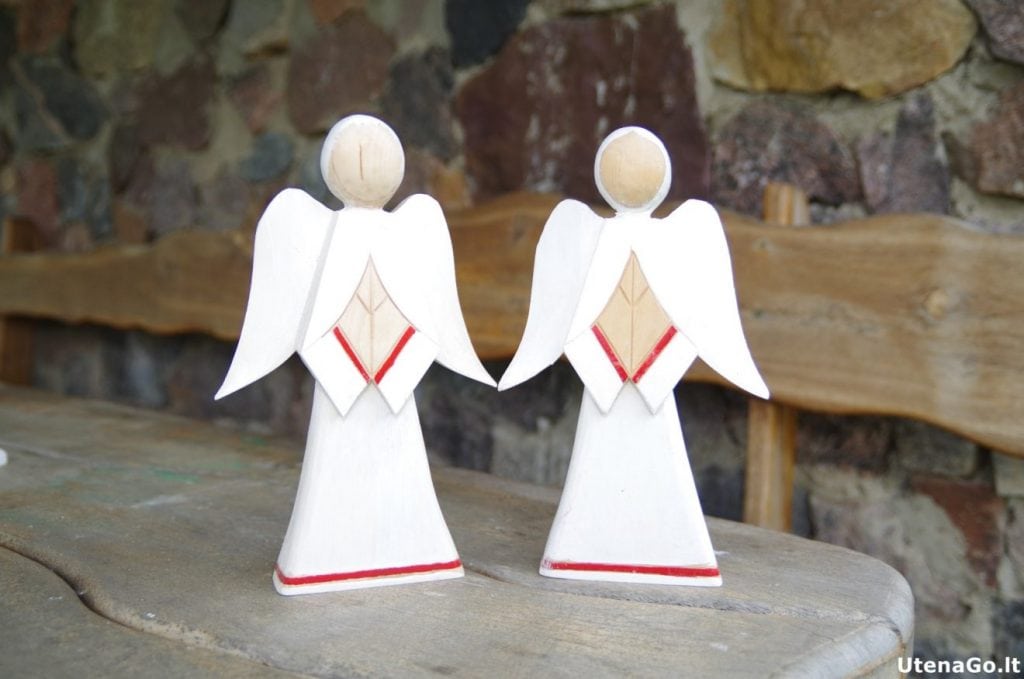
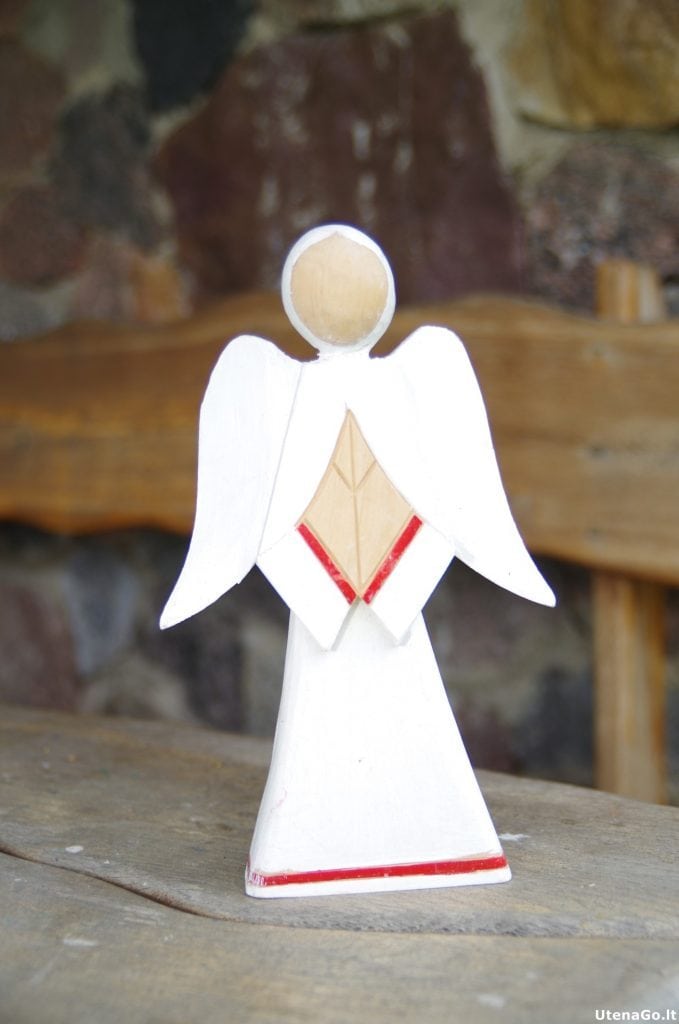
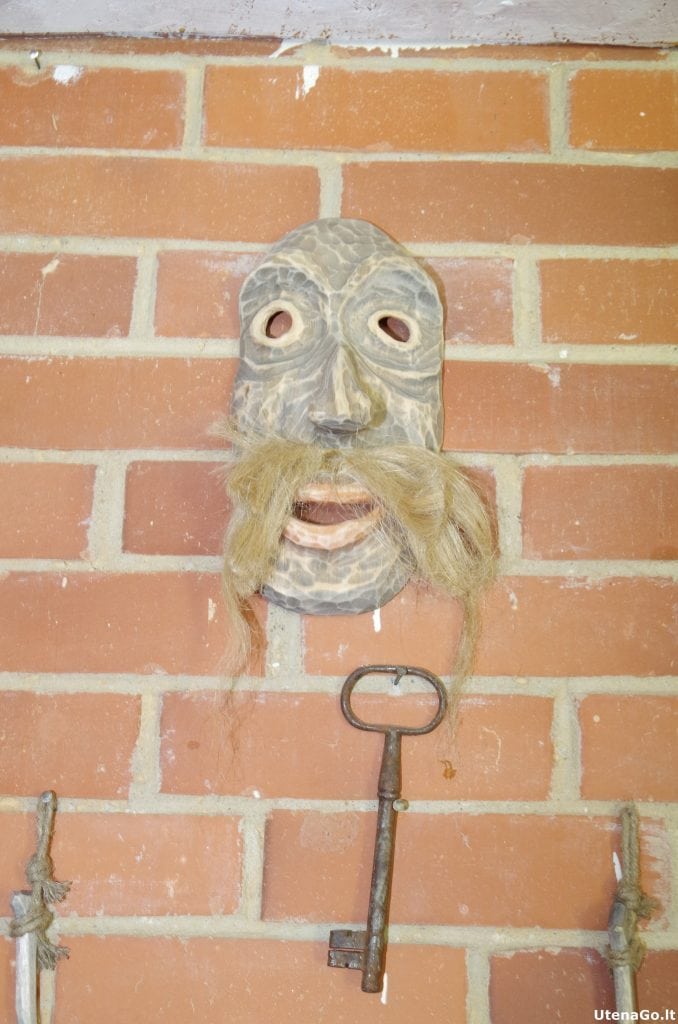
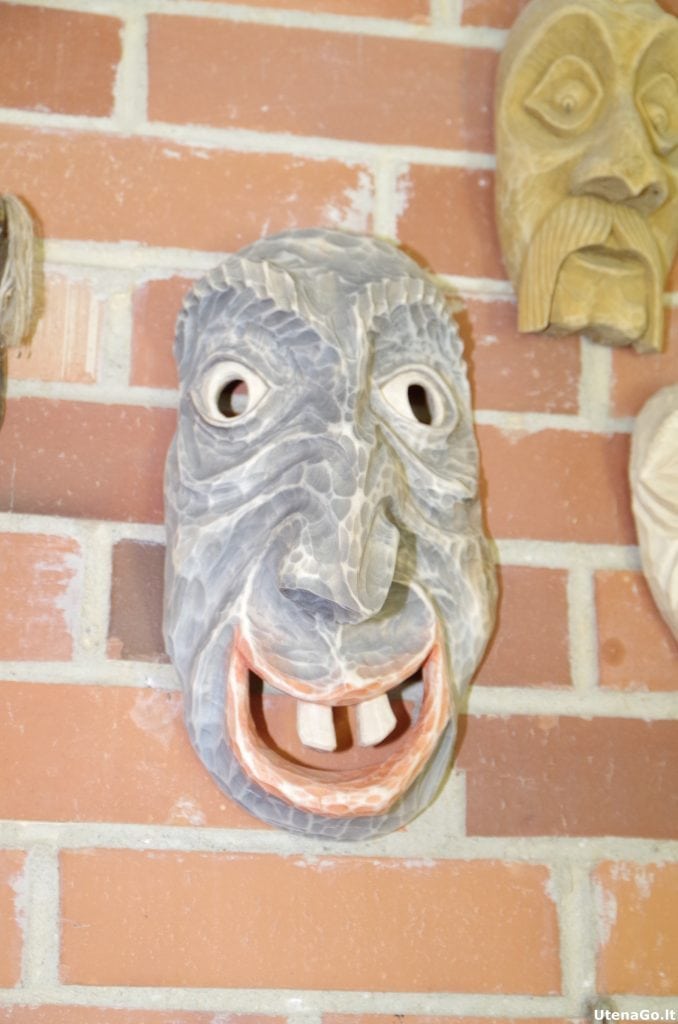
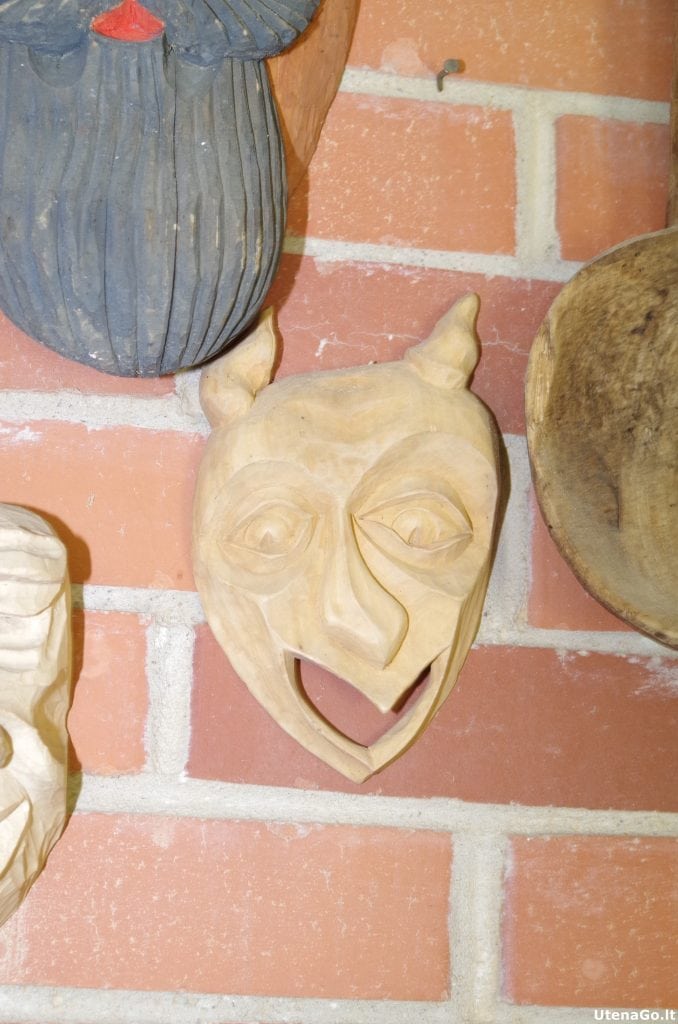
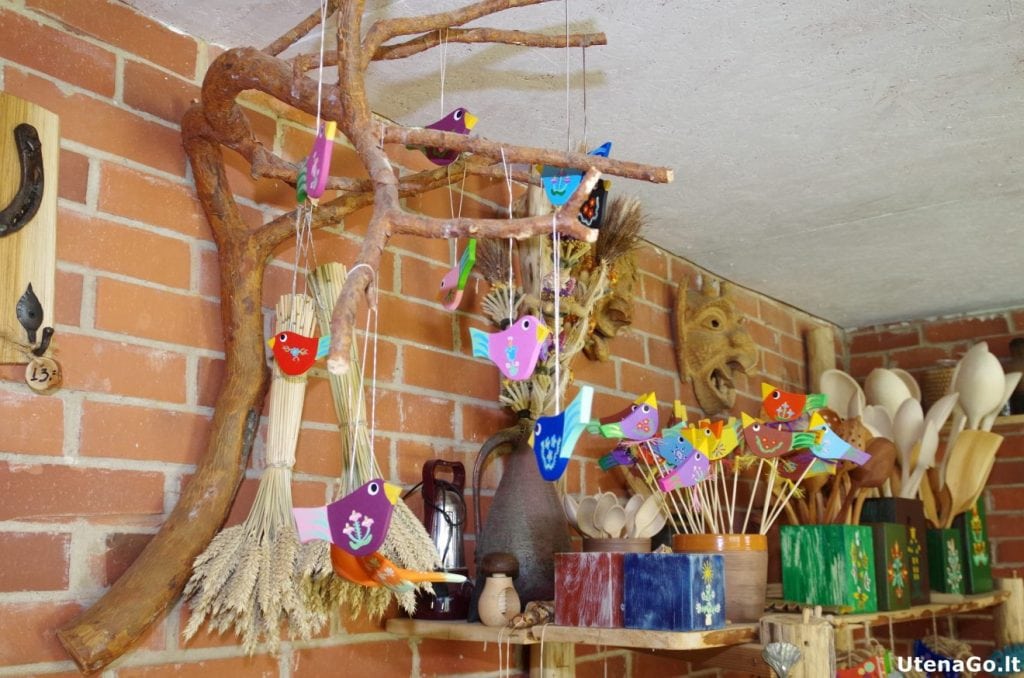
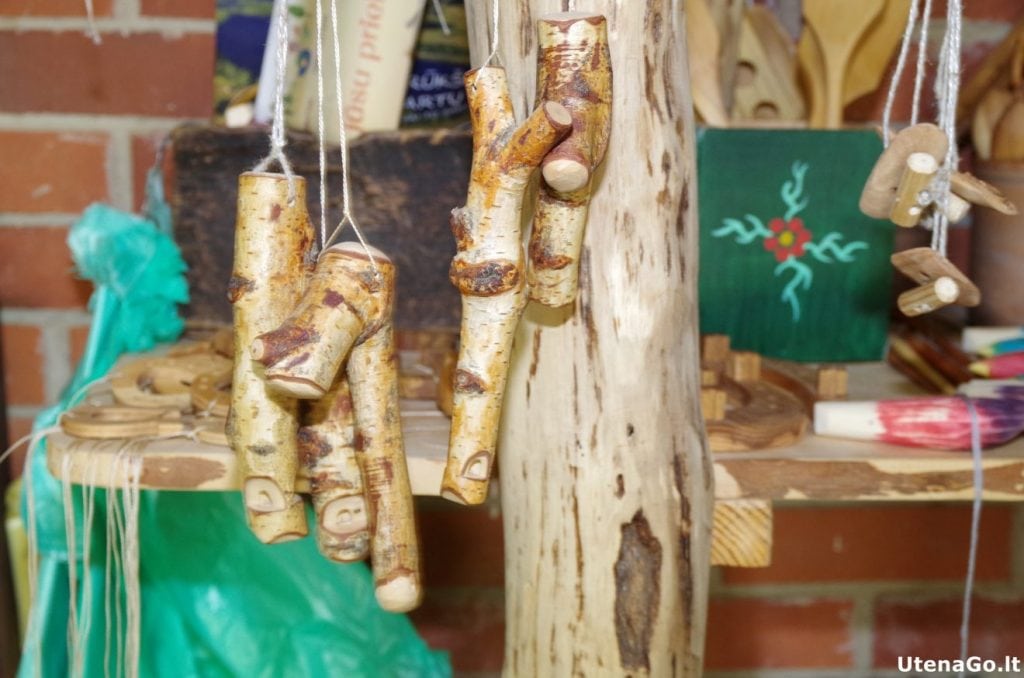
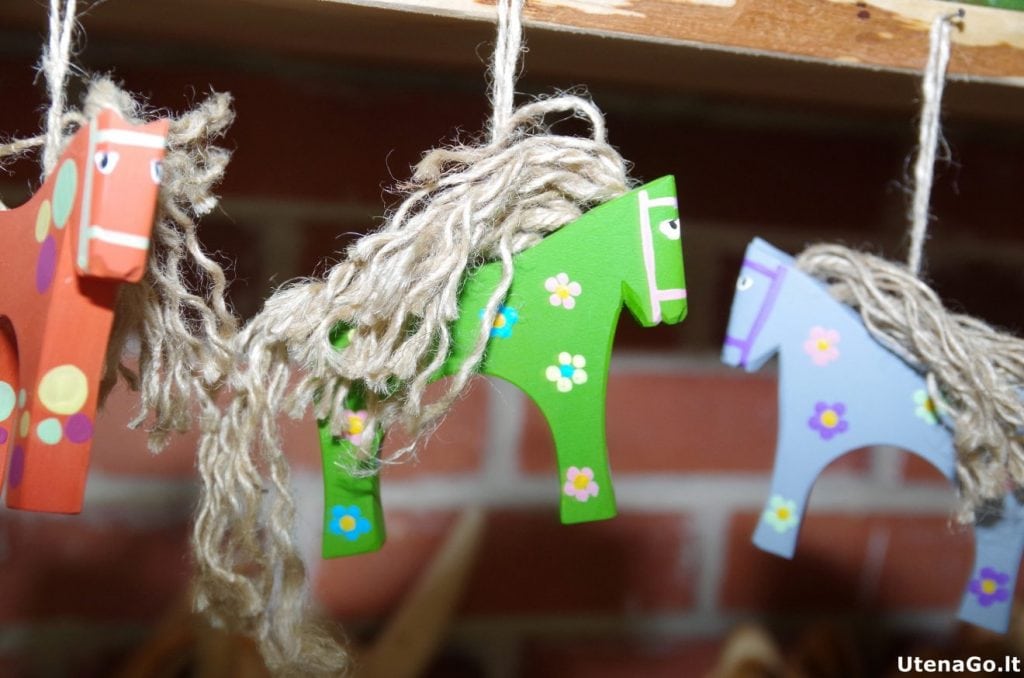
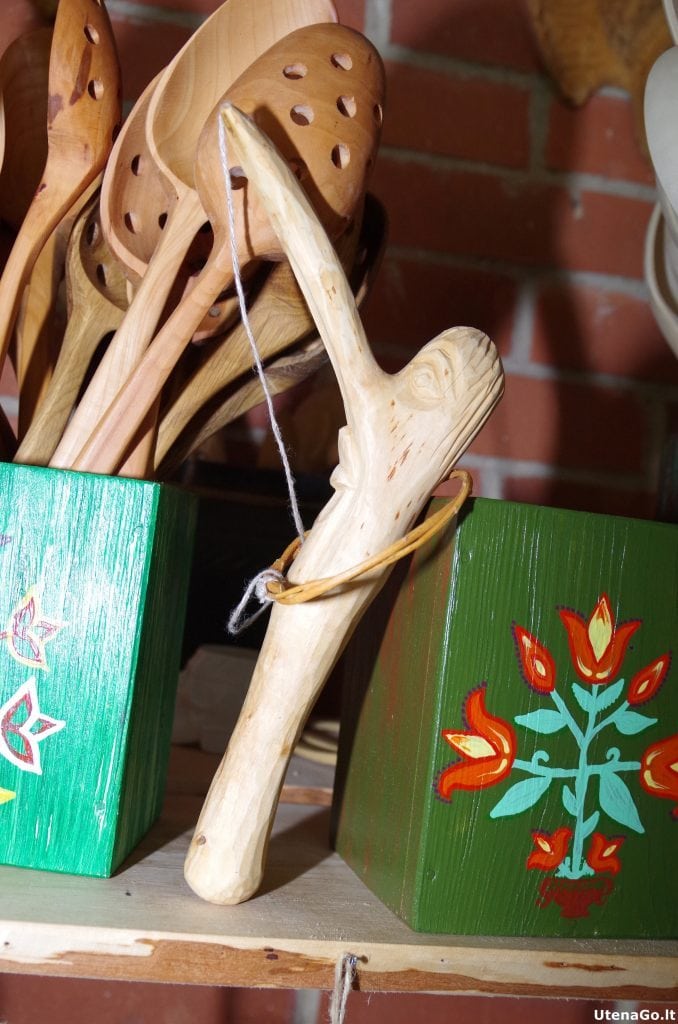
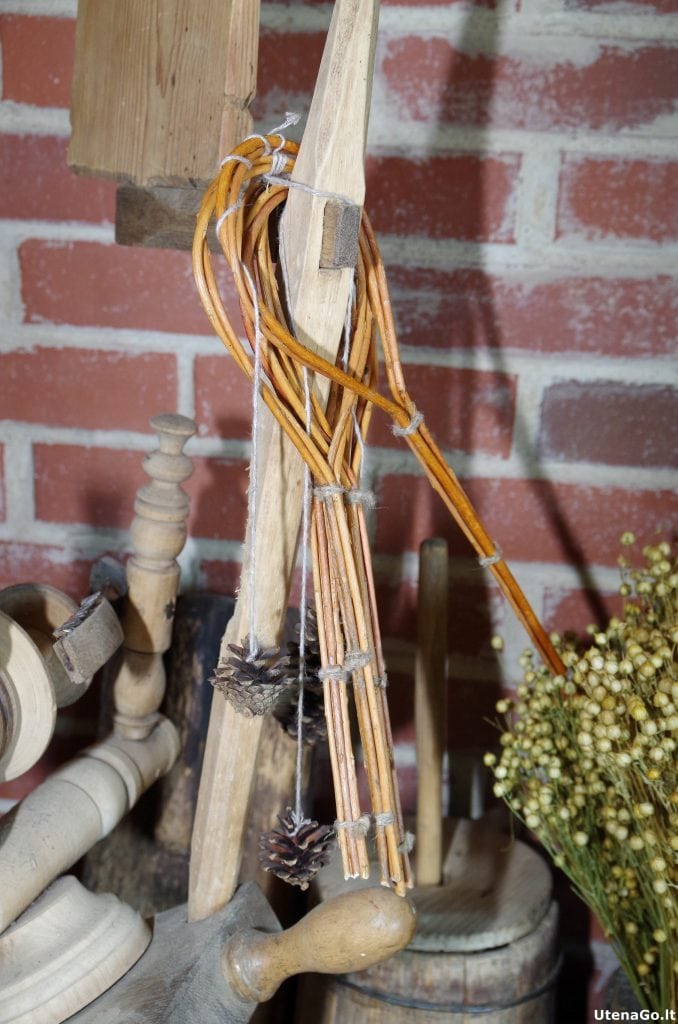
The poorest of the 19th c. peasant homesteads always had simple toys, carved of wood. Their purpose was not as much to entertain, but to educate. Toys’ primary function was to develop children’s work skills and teach them to think. Therefore, they often were smaller versions of the actual farming and household tools, thus helping to get the children accustomed to work since the very young age.
Read more
The toys, which referenced to the skills necessary for a certain profession, were especially popular: mill houses, forges, sawmills, carriages, etc. Scraps remaining from clothes were used to sew girls’ dolls. Thus they were taught to take care of children.
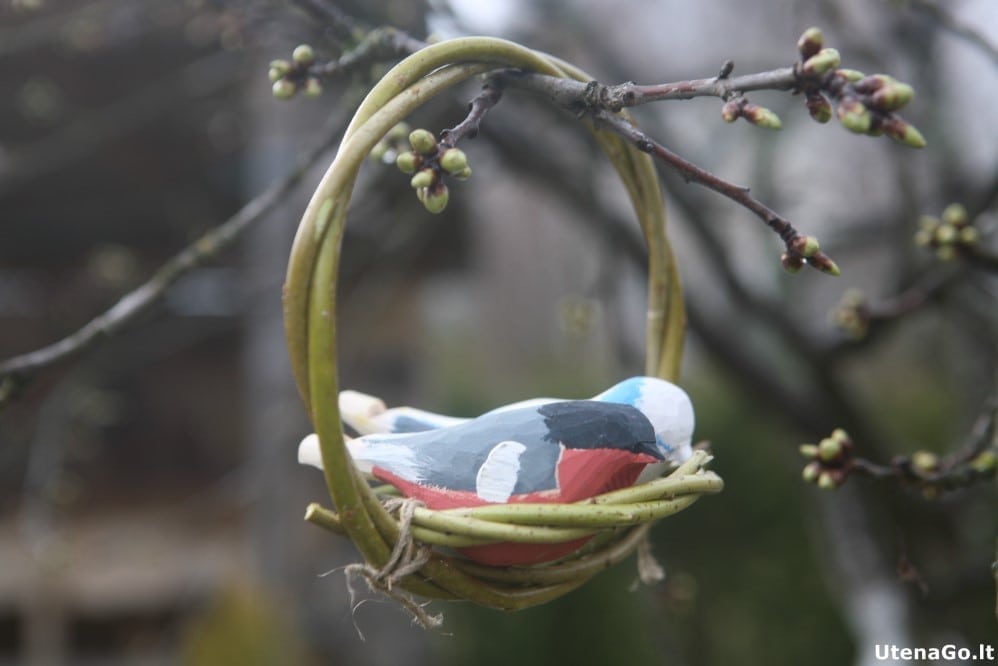
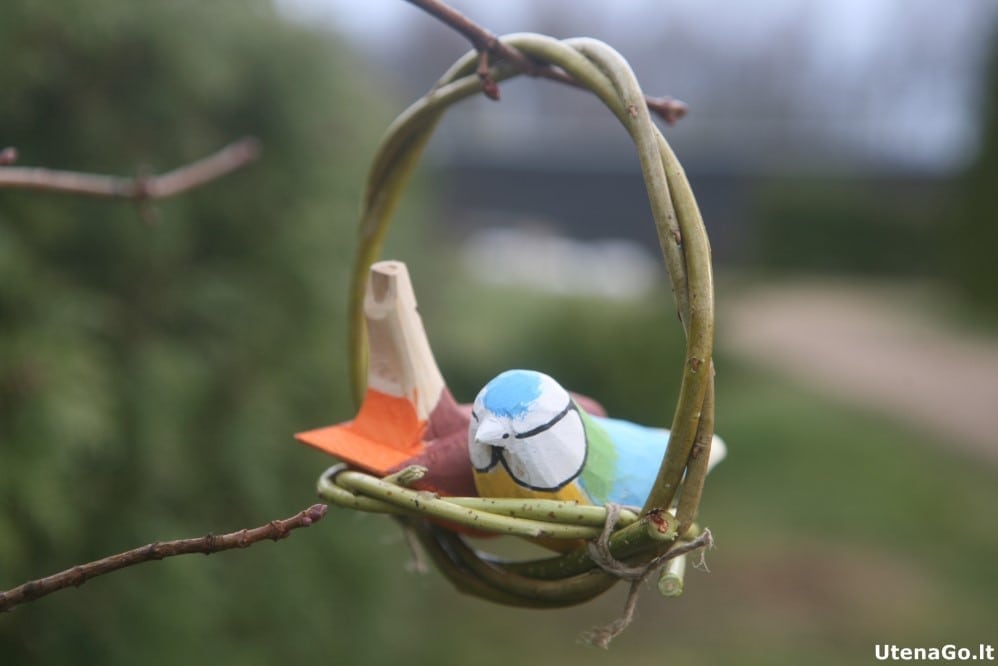
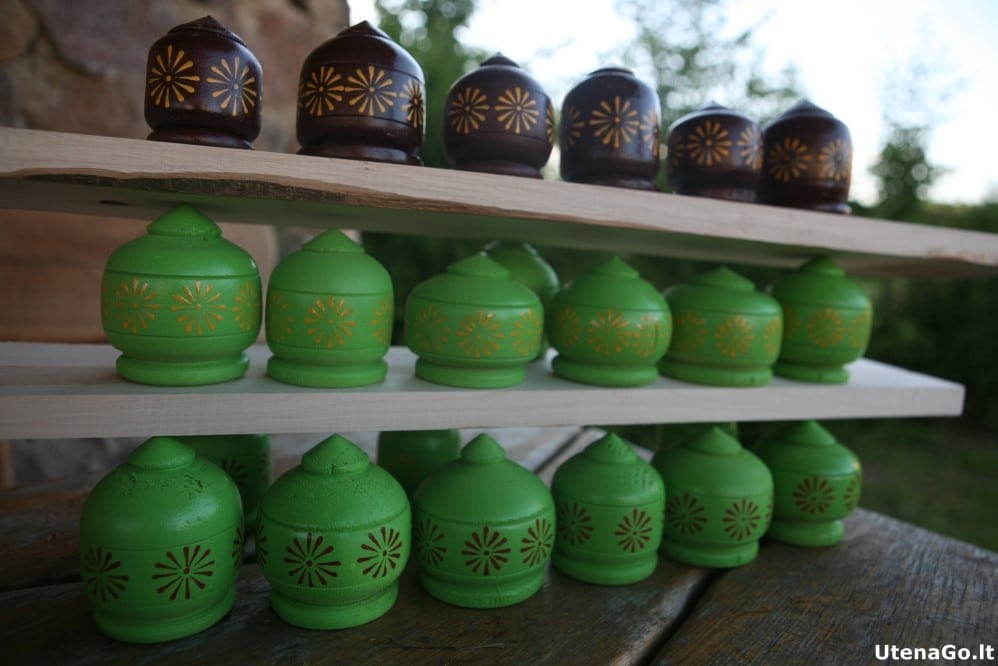
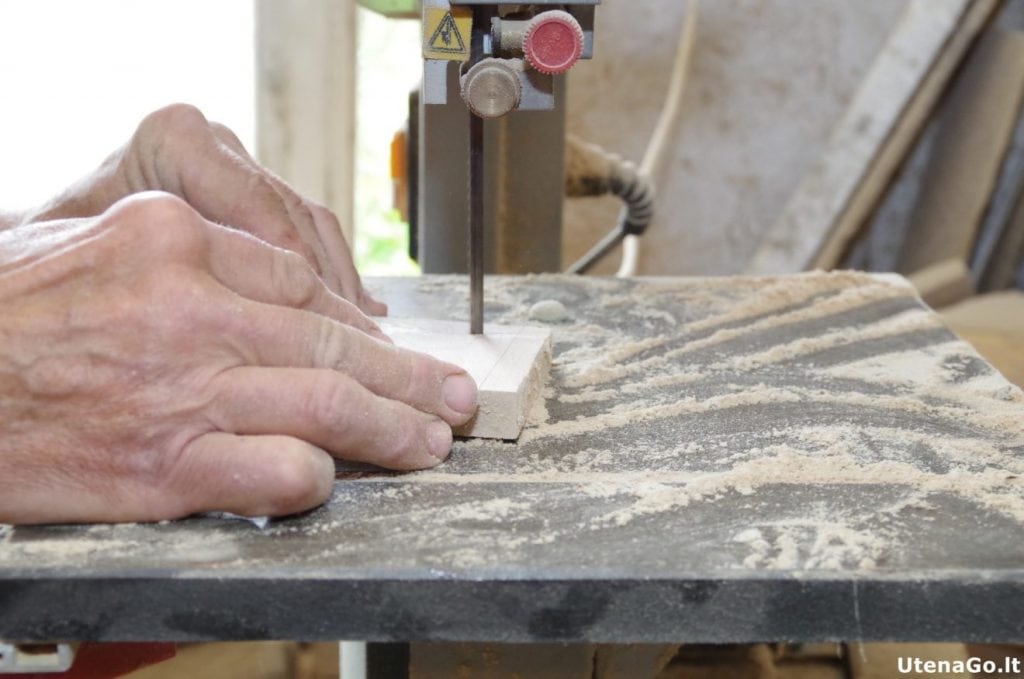
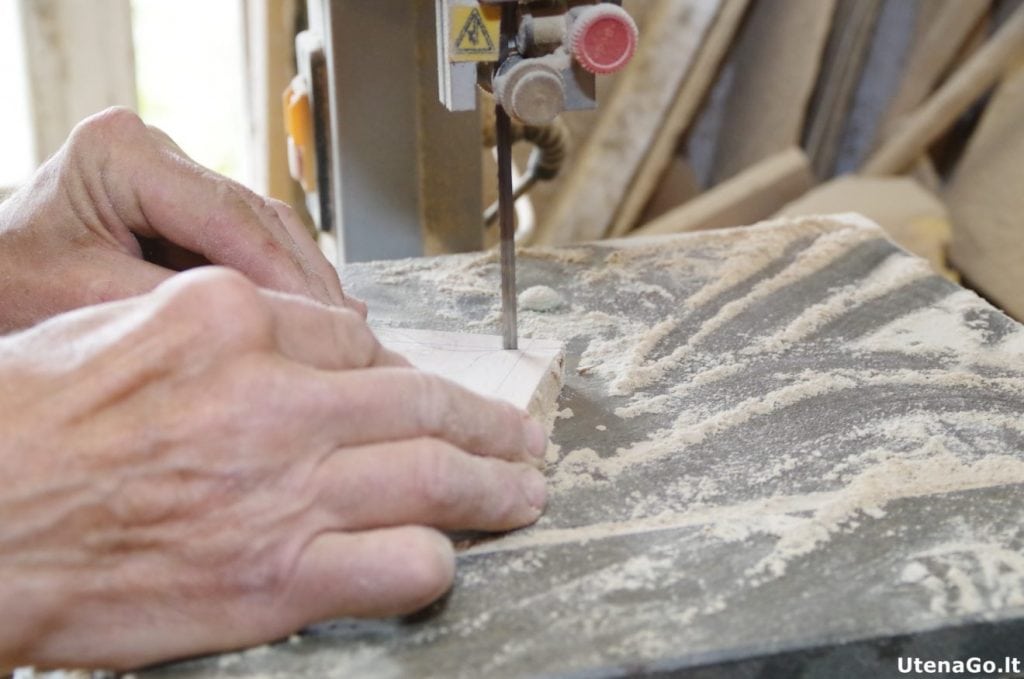
Peasants usually made toys for their children themselves. Only later some carpenters and wood carvers began making more complex and nicer toys.